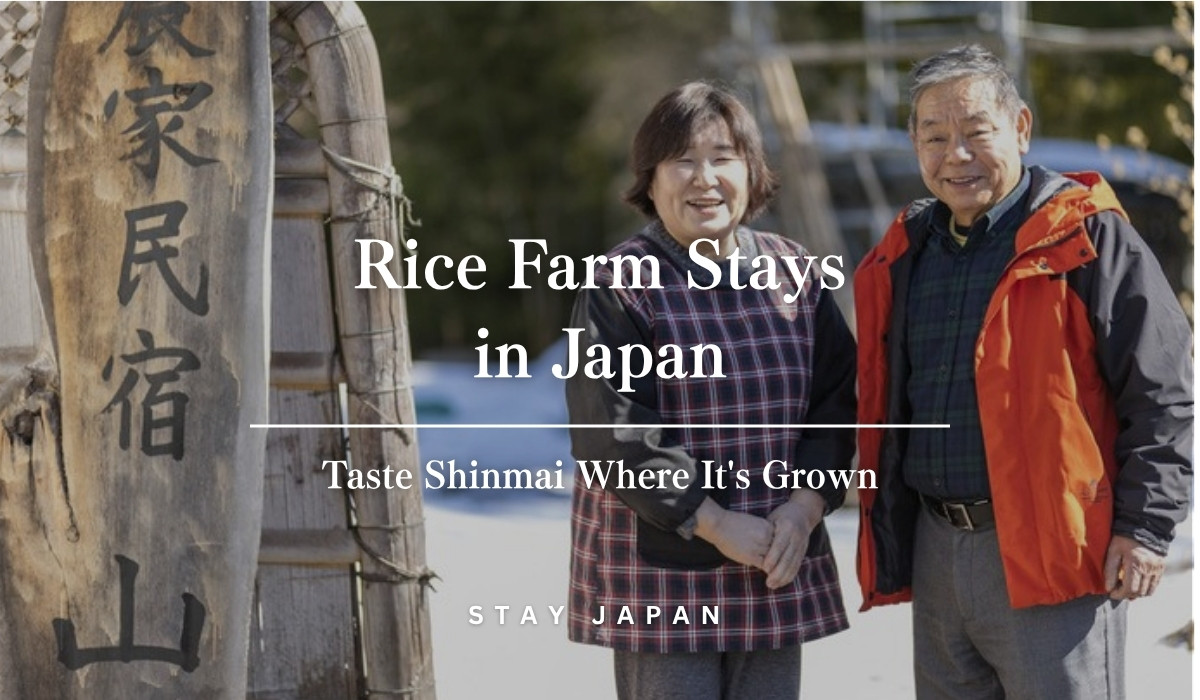

Some meals are about the side dishes. This one is about a single bowl of rice, and a rice farm stay is where it tastes best. In autumn, Japan celebrates shinmai (new rice), the rice harvested that very year, which reaches the table from mid-September through October. It is prized for its gentle sweetness, glossy grains and fresh aroma, and there is no better place to taste it than on a rice farm stay in Japan, right where it was grown.
In this guide, we’ve picked 7 rice farm stays, farm guesthouses on STAY JAPAN that are run by rice farmers themselves. Eating freshly cooked rice while hearing the story of the land and the people who grew it is a food experience you simply can’t get at home, and one of the most authentic ways to enjoy the Japanese countryside.
Why a Rice Farm Stay Tastes Better: You Know Who Grew It
The rice at a Japanese farm guesthouse is delicious for more than its quality alone. The real magic is sitting down at the table with the farmer who raised it, almost like their own child, and talking with them as you eat.
What kind of water did it grow in? What went into the harvest? Learning the story behind the rice, something you’d never know from a bag at the supermarket, makes every mouthful richer and more memorable.
And once you’ve seen what goes into your food, everyday meals back home may never taste quite the same.
1. Taste the Story of the Land and Its People
“Plenty of snowmelt makes it sweeter.” “Big swings between day and night temperatures lock in the flavor.” “Well-drained clay soil gives it that sticky texture.” The soil, the climate, the struggles of that year’s growing season: these stories, told by the people who lived them, are the best seasoning of all. Discovering what lies behind your food brings a deeply satisfying, thoughtful dimension to grown-up travel.
2. Discover Rice Varieties and Growing Methods
From well-known varieties like Koshihikari, Akitakomachi and Ichihomare to rarer local strains, comparing the character of each rice is one of the joys of a farm stay. Look out, too, for the care each host puts into growing it: organic rice grown without pesticides, the aigamo method (where ducks roam the paddies eating pests and weeds), or traditional sun-drying on wooden racks.
3. For New Rice, Plan Your Trip for Mid-September to October
New rice starts appearing as early as early September in some areas, but in most of Japan’s rice-growing regions the season peaks from mid-September through October. Time your trip just right, and you’ll taste the freshest, most fragrant bowl of the year.
※ Booking Tips
Check when new rice is served: The timing can shift depending on the weather and each guesthouse, so if new rice is the main reason for your trip, it’s best to ask the host in advance.
Add meals when you book: At private rentals and some farm guesthouses, meals are an optional add-on (room-only is the default). Don’t forget to add meals when you make your reservation.
1. Tohoku: Rice Farm Stays in Northern Japan’s Rice Country
Suzureana Farm Stay — Tsugaru City, Aomori Prefecture
— Cook Tsugaru Home Food Side by Side in a Rice Farmer’s Kitchen
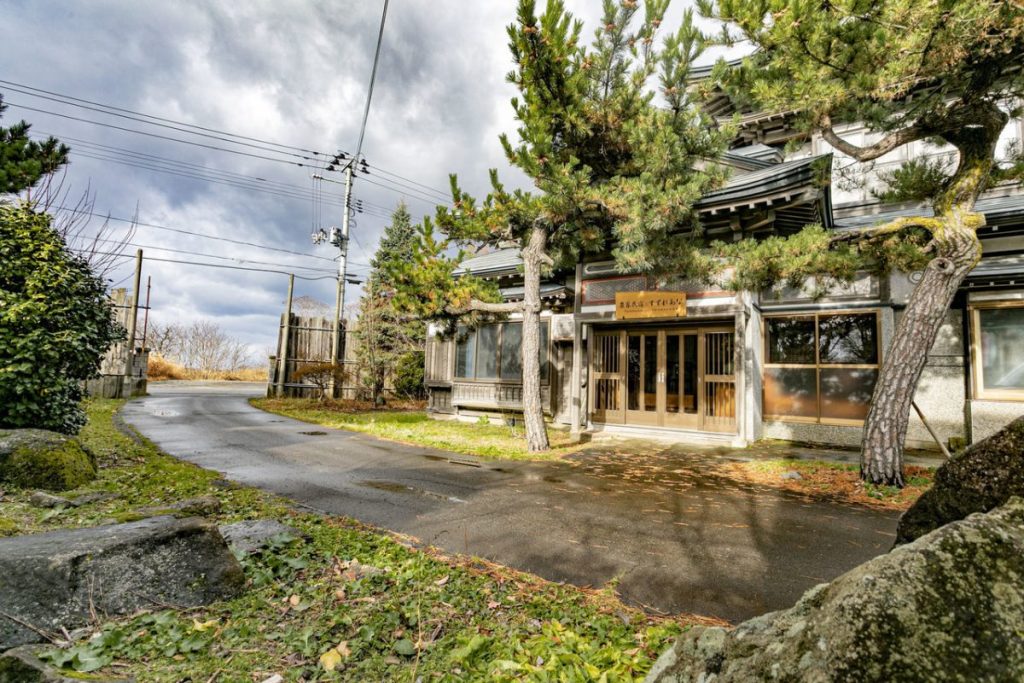
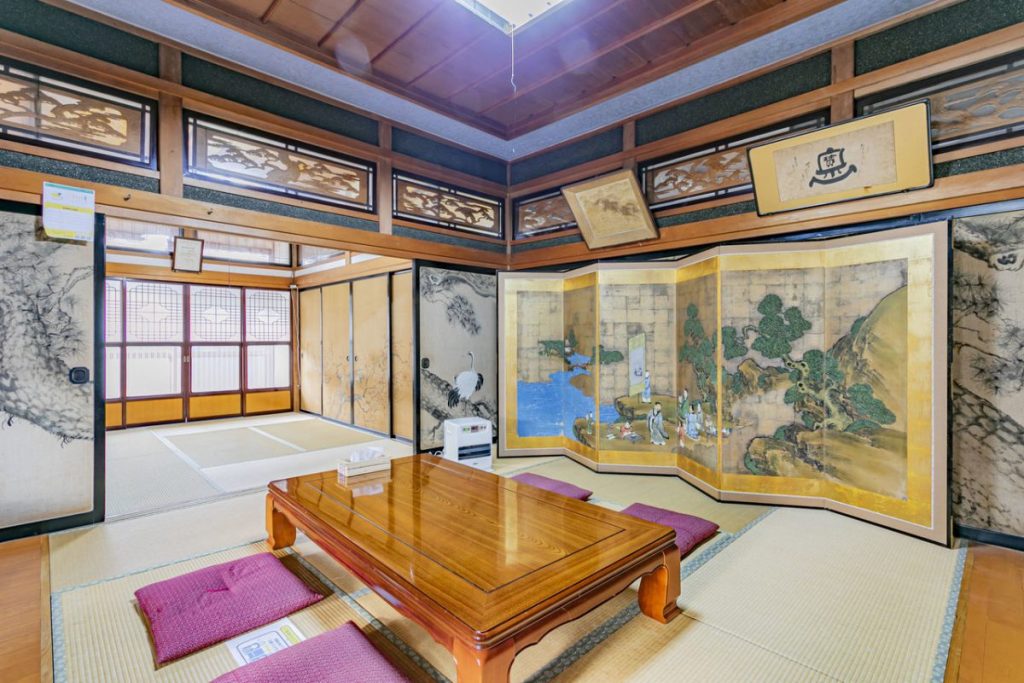
A 70-year-old traditional farmhouse on the Tsugaru Plain, looking out toward Mount Iwaki. With its painted sliding doors and beautifully carved transoms, it’s a homey place where you’ll be welcomed like one of the family.
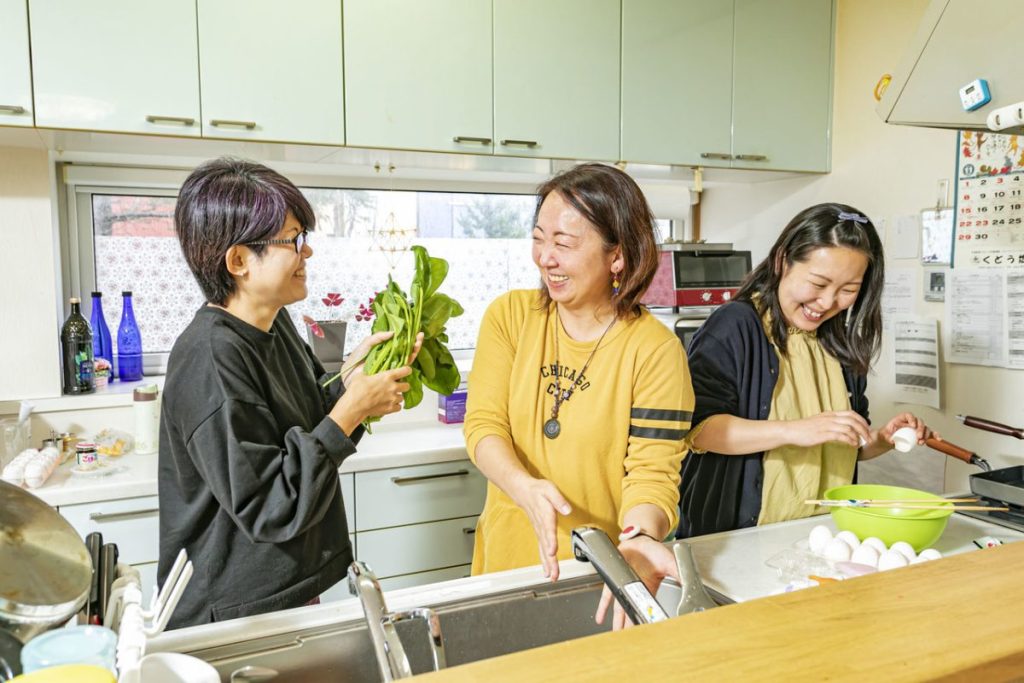
The highlight here is cooking together: guests join the host in the kitchen. Alongside freshly harvested rice, you’ll make traditional Tsugaru dishes such as kenojiru (a hearty stew of finely chopped vegetables) and carrots tossed with cod roe, then sit down to eat together. Cook, eat, talk and laugh, and experience a stay that feels just like being part of the family.
▶︎ Type: Homestay, up to 6 guests
▶︎ Access: About 50 minutes by car from Aomori Airport / about 10 minutes by car from Nakata Station or Mutsu-Morita Station on the JR Gono Line (pick-up from Nakata or Morita Station available on request)
▶︎ Meals: Dinner and breakfast included (guests cook together with the host)
Iori Farmstay – Cozy Kominka — Senboku City, Akita Prefecture
— Savor Authentic Akitakomachi Rice with a View of the Rice Fields
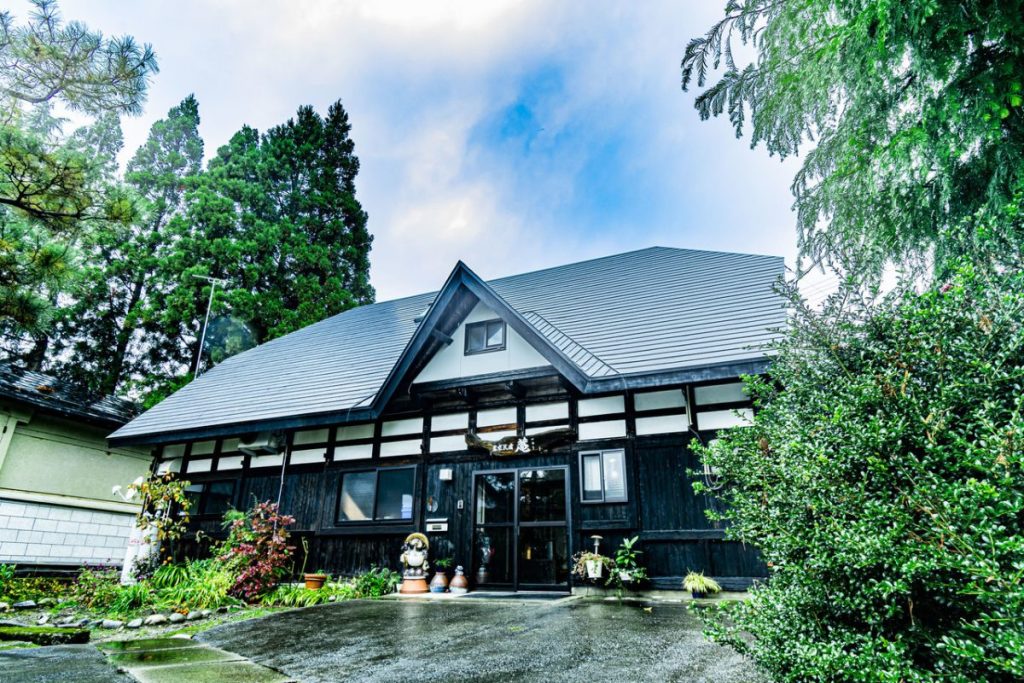
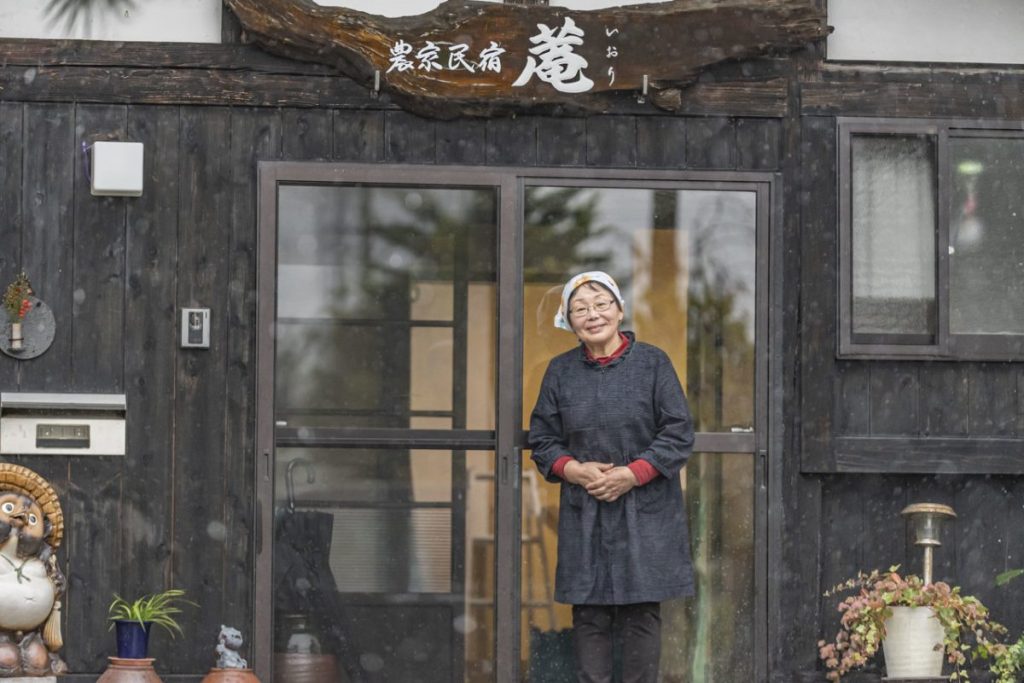
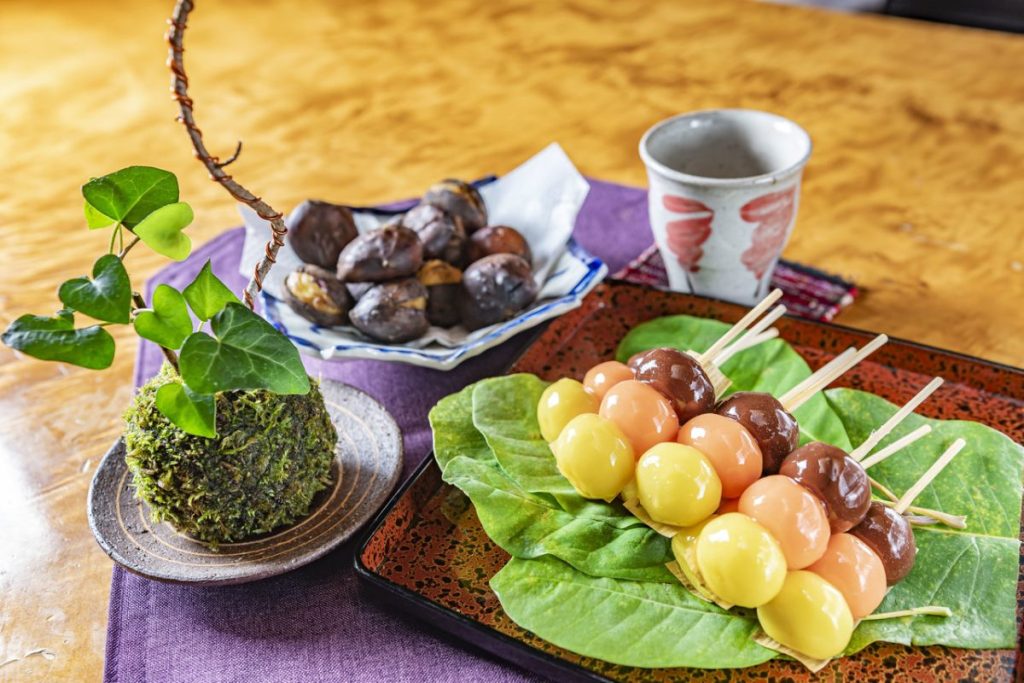
Just 5 minutes by car from the samurai residence district of Kakunodate. Pass through an avenue of cherry trees and you’ll find a detached cottage standing beside the rice paddies, rented out to just one group per day.
The stay is room-only by default, but if you book at least 7 days ahead, you can enjoy a generous home-cooked spread: Akitakomachi rice from its home region of Akita, a hot pot of autumn vegetables and mushrooms, and homemade pickles. Eating while gazing out at golden rice fields is a true luxury. The kind, charming host is another reason guests love it here.
▶︎ Type: Private house, up to 4 guests (one group per day)
▶︎ Access: About 15 minutes by car from JR Kakunodate Station (ask about pick-up when booking)
▶︎ Meals: Optional / dinner and breakfast 5,313 yen, dinner only 3,542 yen, breakfast only 1,771 yen (all prices per adult, per serving; request at least 7 days before check-in)
2. Niigata & Hokuriku: Rice Grown with Snowmelt and Mountain Water
Farmer guest house Yamakoshi Hyakusho-ya Sandayu — Nagaoka City, Niigata Prefecture
— Sun-Dried Terraced-Field Rice Raised on Pure Mountain Spring Water
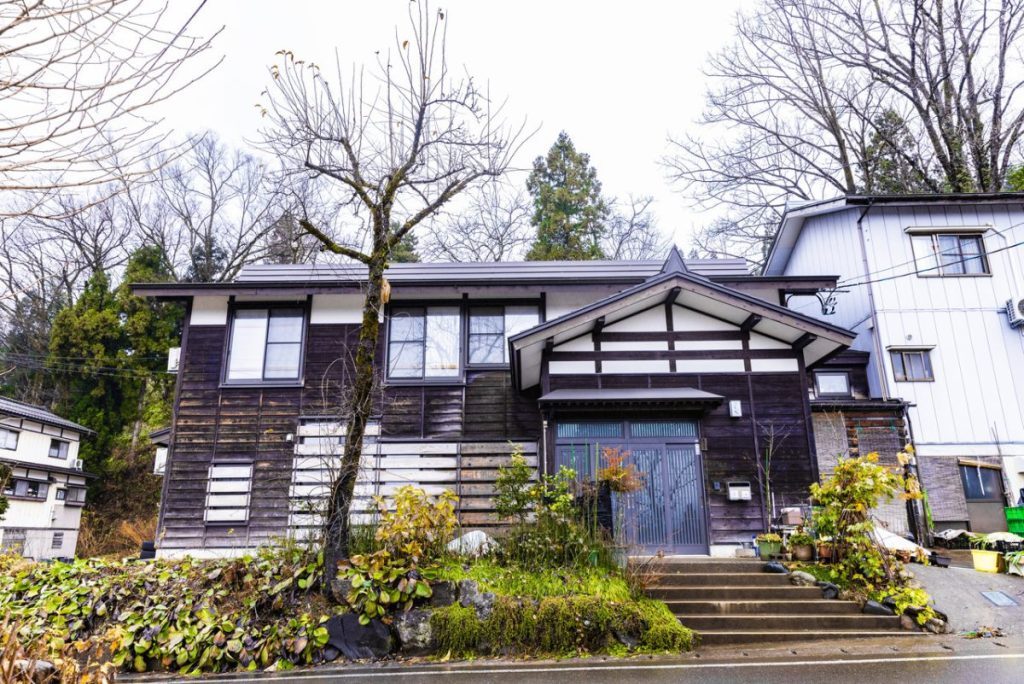
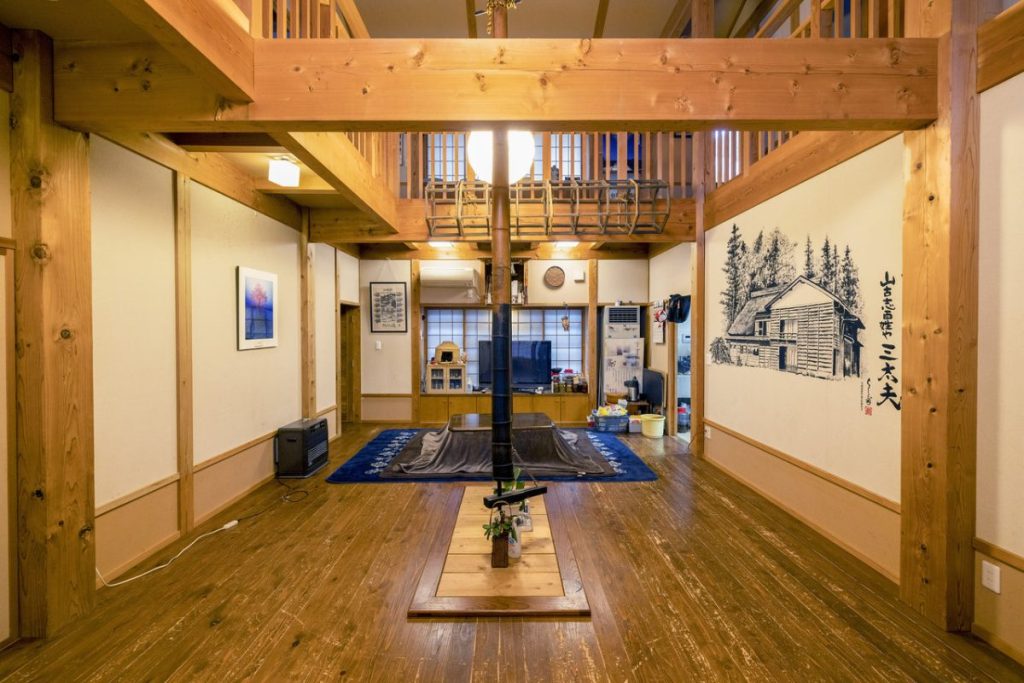
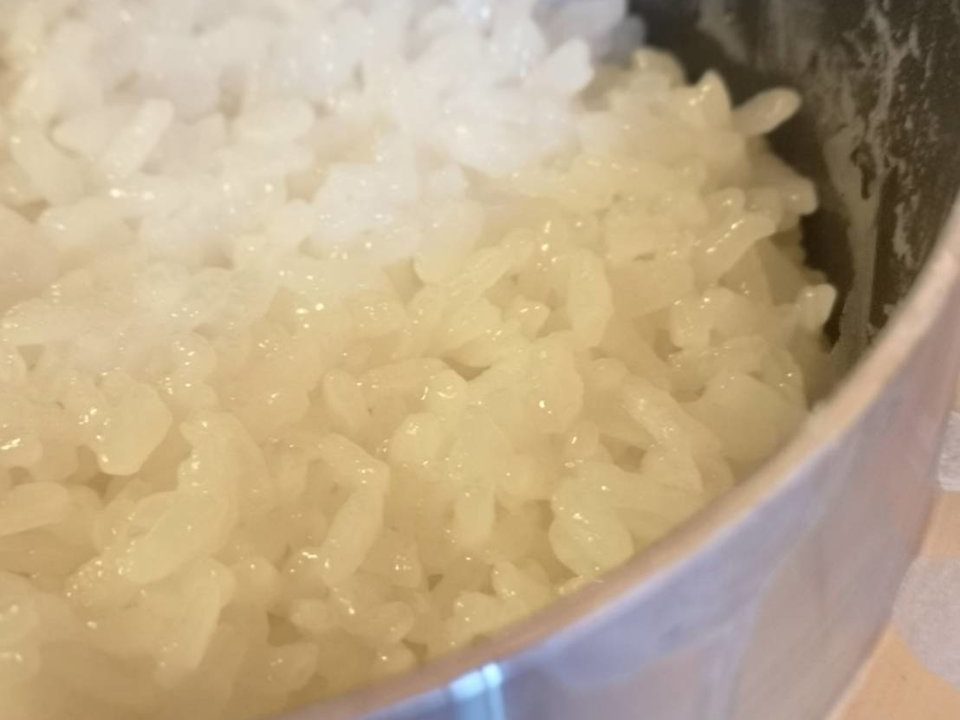
A farm guesthouse for one group per day in the village of Yamakoshi, often called one of the places that shows “the original landscape of Japan.” Its pride and joy is terraced-field rice grown high in the mountains, where big temperature swings help the grains develop flavor, and watered only with pure mountain spring water free of any household runoff.
Carefully sun-dried by hand, the rice fills your mouth with a rich sweetness from the very first bite. It pairs perfectly with creative country cooking full of wild mountain vegetables and local produce. “I know I’m biased, but it really is delicious!” says the host. Come and taste it for yourself.
▶︎ Type: Homestay, up to 14 guests (one group per day)
▶︎ Access: About 30 minutes from Nagaoka IC or about 20 minutes from Ojiya IC on the Kan-Etsu Expressway / from Nagaoka Station, take a bus to the Muramatsu Kaitenba-shita stop, then about 10 minutes by pick-up
▶︎ Meals: Dinner and breakfast plan only (creative country-style dinner, Japanese-style breakfast)
Farm-stay Satoyama — Izumozaki Town, Niigata Prefecture
— Lovingly Grown Niigata Koshihikari from Three Generations of Rice Farmers
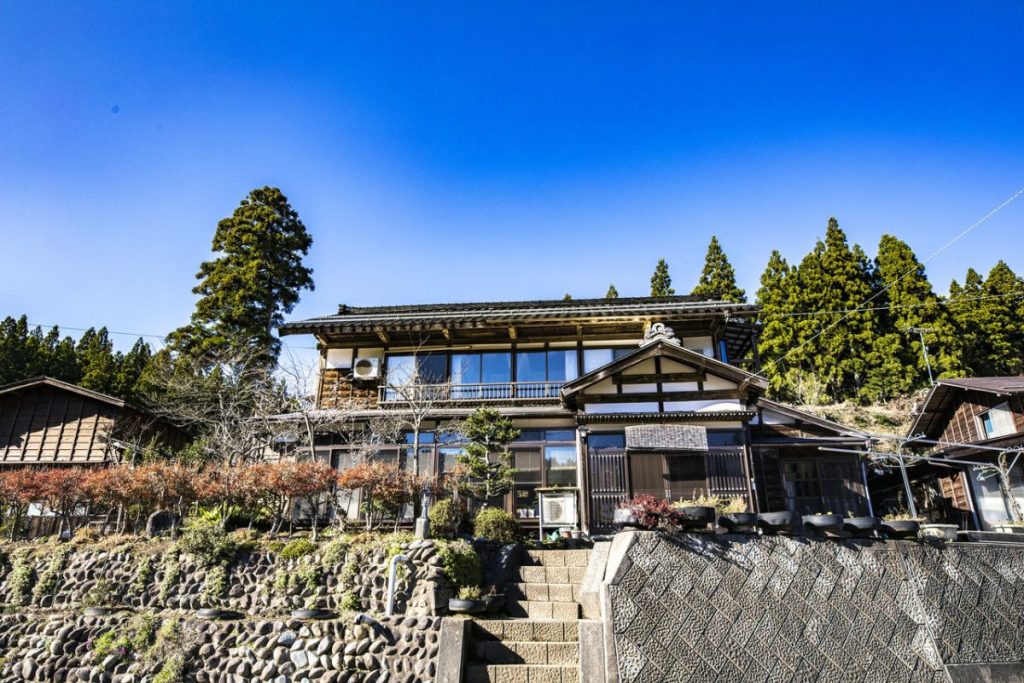
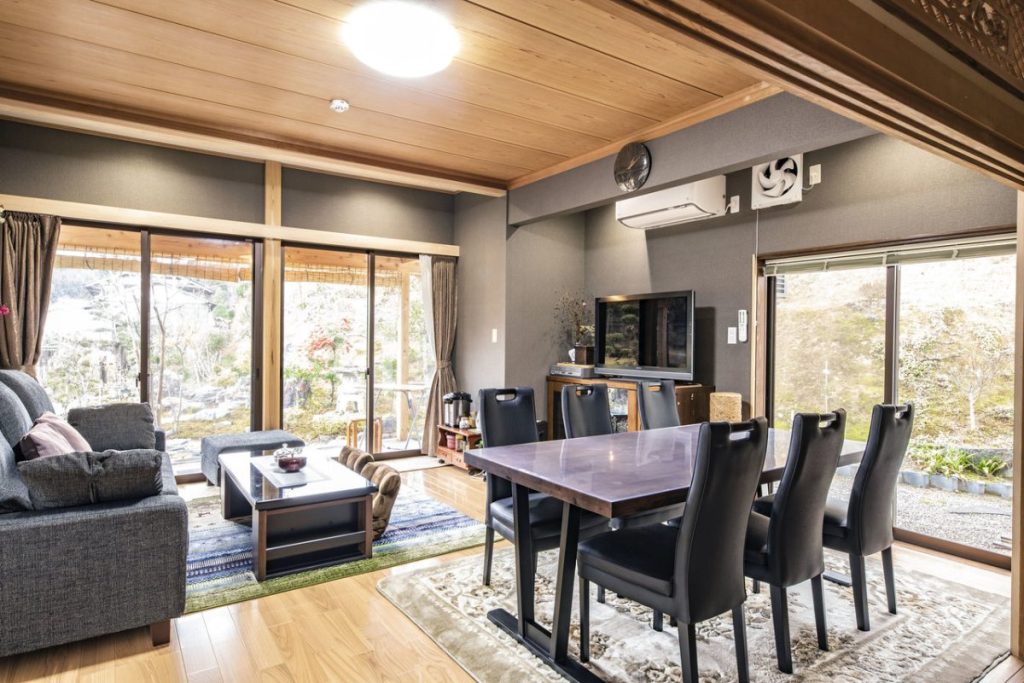
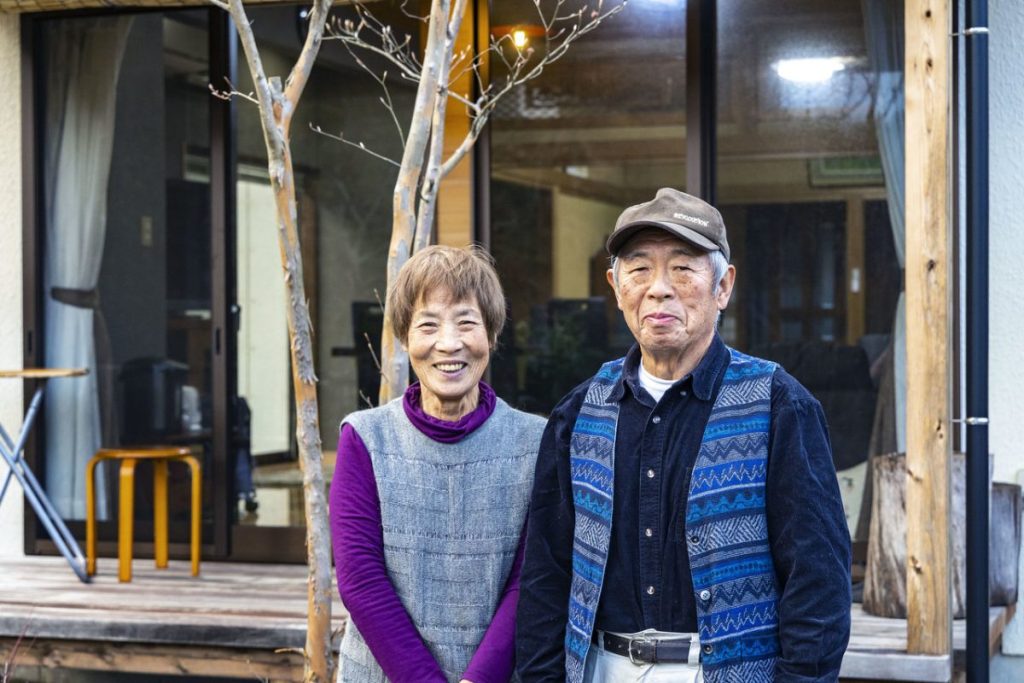
A house run by a family who have poured their hearts into rice farming for three generations, in the town of Izumozaki between the sea and the mountains. The spacious grounds include an elegant Japanese garden with a koi pond, perfect for quiet, restful moments.
The table is filled with Niigata Koshihikari rice straight from the farm, fresh home-grown vegetables and seasonal fish landed nearby. Groups of 6 or more can book the whole building, making it ideal for traveling with friends or family. Visiting in winter? You can even join a duck-hunting experience with the host, a former hunter, and members of the local hunting club (hunting season: November 15 to February 15).
▶︎ Type: Private rooms, up to 7 guests (whole building available for groups of 6 or more)
▶︎ Access: About 20 minutes from Nishiyama IC on the Hokuriku Expressway via Route 116 / from Nagaoka Station, take a bus to Izumozaki Station, then about 10 minutes by pick-up
▶︎ Meals: Dinner and breakfast included
A Farmer, Mr. Inaba’s House — Echizen City, Fukui Prefecture
— Vibrant Koshihikari from Paddies Where Wild Storks Have Returned
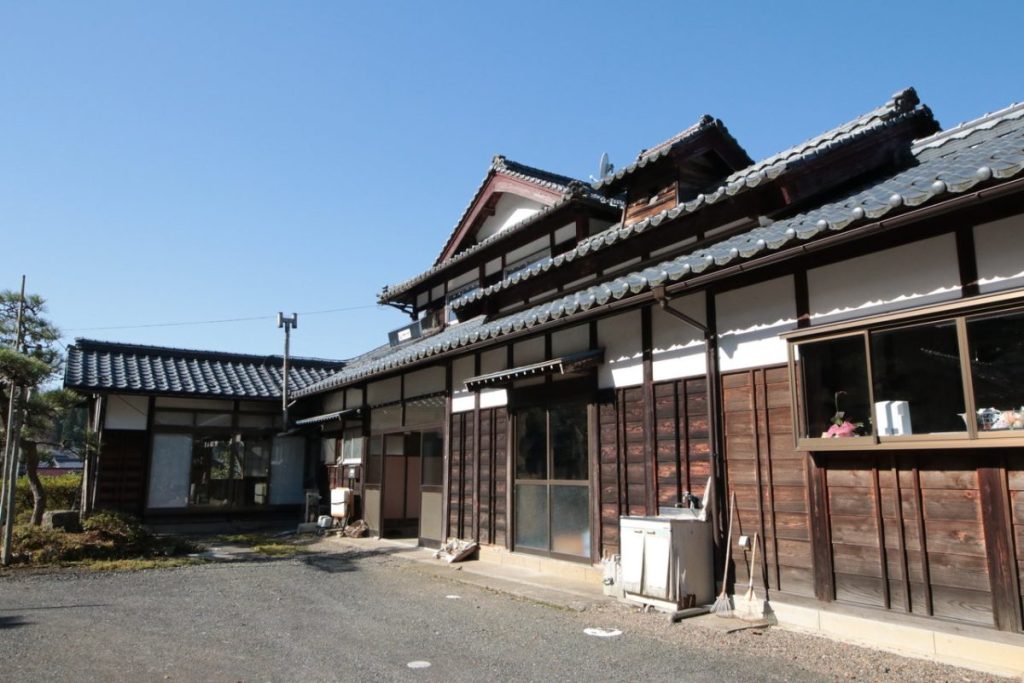
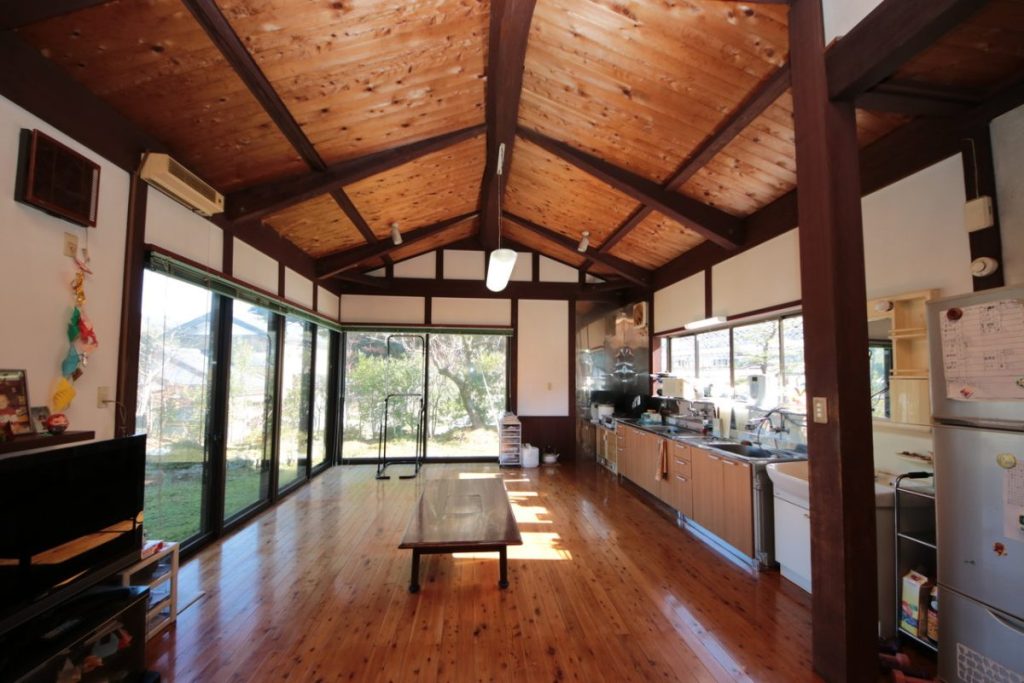
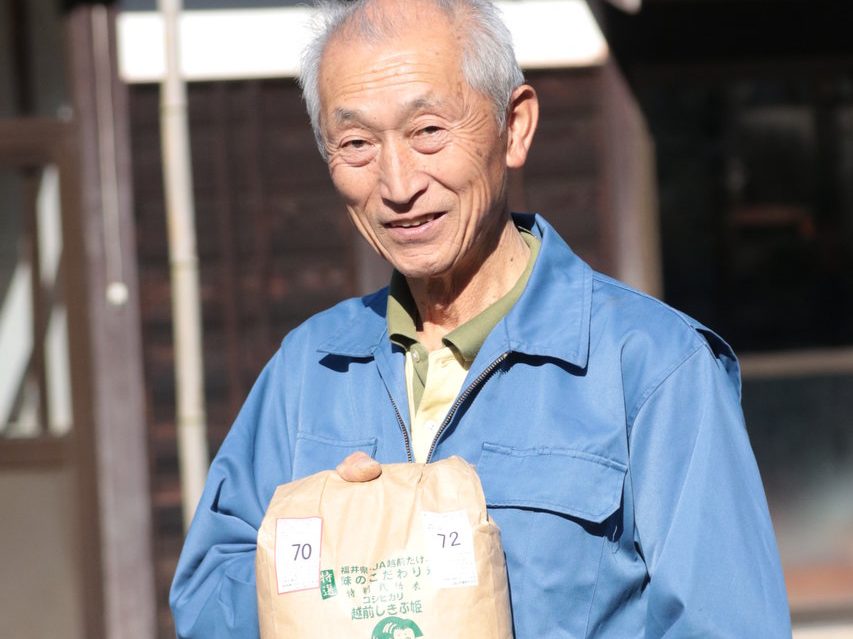
A traditional house over 50 years old in the Shirayama-Sakaguchi area of Echizen, a lush upstream village surrounded by mountains around 300 meters high and selected as one of the “100 Best Rural Villages of Japan.”
Mr. Inaba founded a local farming group working to bring the Oriental white stork back to the area. To protect a habitat where wild storks can live, he grows safe, delicious rice without pesticides or chemical fertilizers. At the table, you can compare Koshihikari, nurtured by nature’s blessings, with Ichihomare, Fukui Prefecture’s own premium brand of rice. Enjoy them with wholesome country dishes such as fiddlehead ferns dressed with soybeans and gojiru, a miso soup made with ground soybeans.
▶︎ Type: Homestay, up to 2 guests
▶︎ Access: About 20 minutes by car from JR Takefu Station / about 25 minutes by car from Takefu IC on the Hokuriku Expressway (pick-up from Takefu Station available; request when booking)
▶︎ Meals: Dinner and breakfast included
3. Kanto & Kyushu: Rice Farm Stays Proud of Their Home-Grown Rice
Yamashin Farm Stay — Minakami Town, Gunma Prefecture
— Grilled Rice Balls from Home-Grown Koshihikari and Wild Game Cuisine
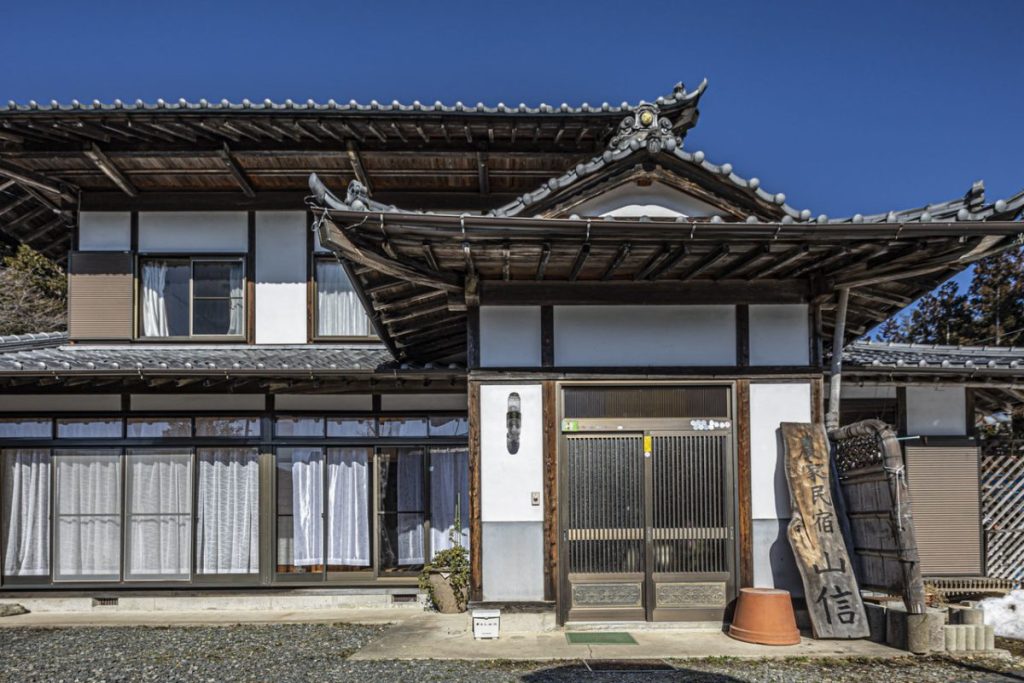
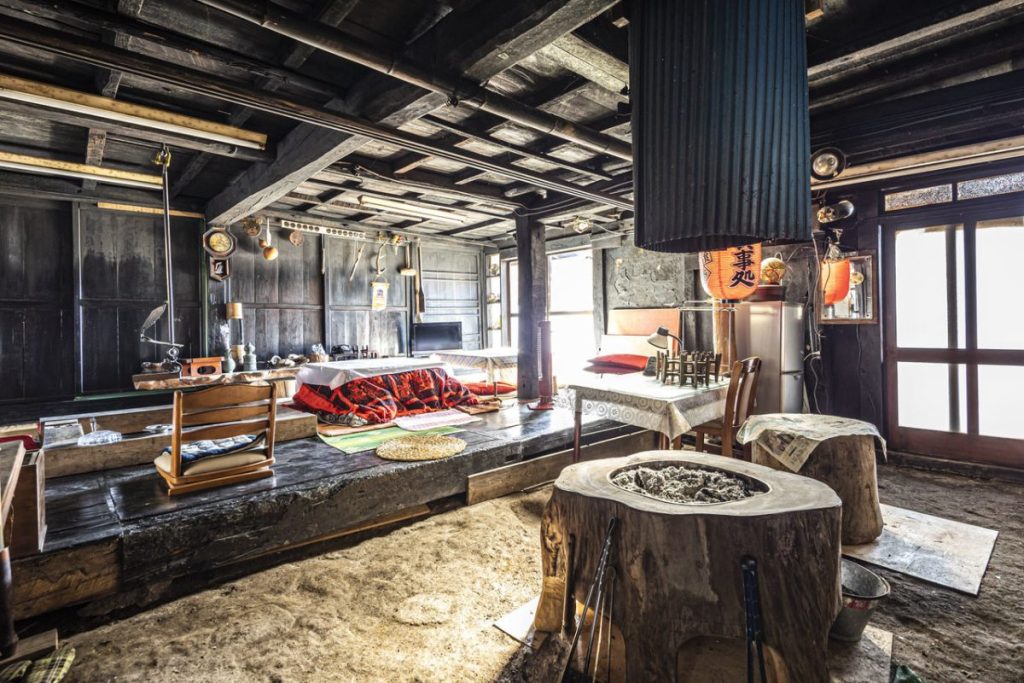
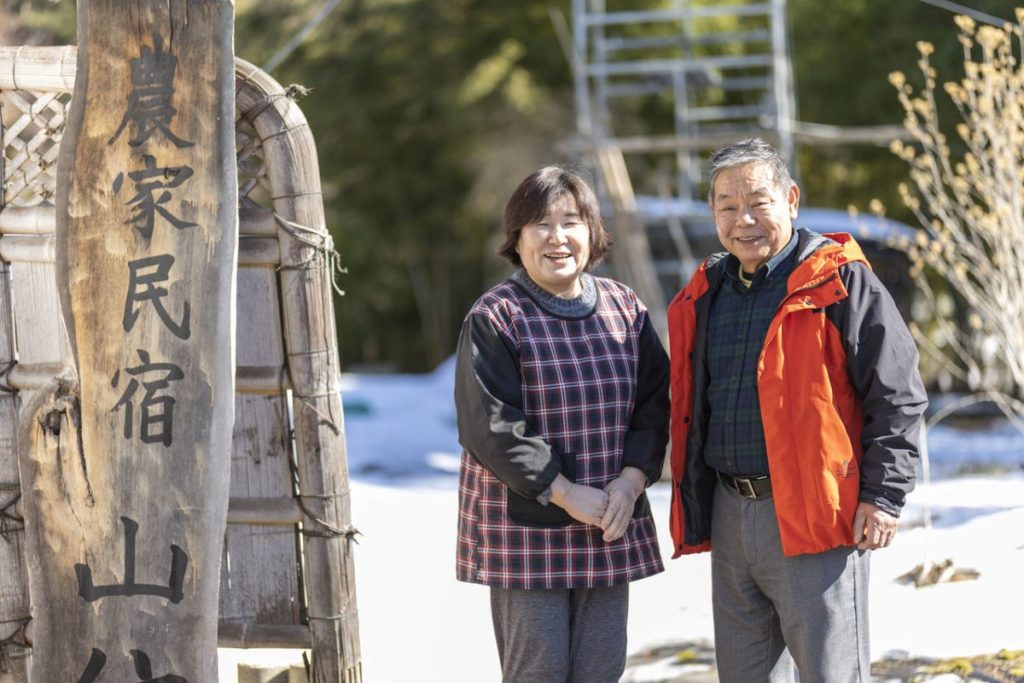
A warm, welcoming farm guesthouse in Minakami, embraced by the rich nature of Mount Tanigawa and Mount Mikuni, where it feels like coming home. With its sunken hearth and earthen-floored entrance, the simple, rustic space invites you to slow down and relax.
The host’s wife, a licensed cook, serves up outstanding dishes built around the family’s own delicious Koshihikari rice: fragrant grilled rice balls, dumpling soup made with local flour, wild game dishes and more. From late September to early October, a rice-harvesting experience is also available (from 2,000 yen per person), so you can eat rice from the very field you helped harvest.
▶︎ Type: Homestay, up to 8 guests
▶︎ Access: About 25 minutes from Tsukiyono IC on the Kan-Etsu Expressway / about 25 minutes by taxi from Gokan Station on the JR Joetsu Line / 20–25 minutes by taxi from Jomo-Kogen Station on the Joetsu Shinkansen (ask about pick-up at least one week in advance)
▶︎ Meals: Dinner and breakfast included (dinner 6:00–8:00 pm; choice of Japanese or Western breakfast)
Babano-Tecchanchi — Asagiri Town, Kumamoto Prefecture
— Duck-Farmed Rice, Kuma Home Cooking and Local Rice Shochu
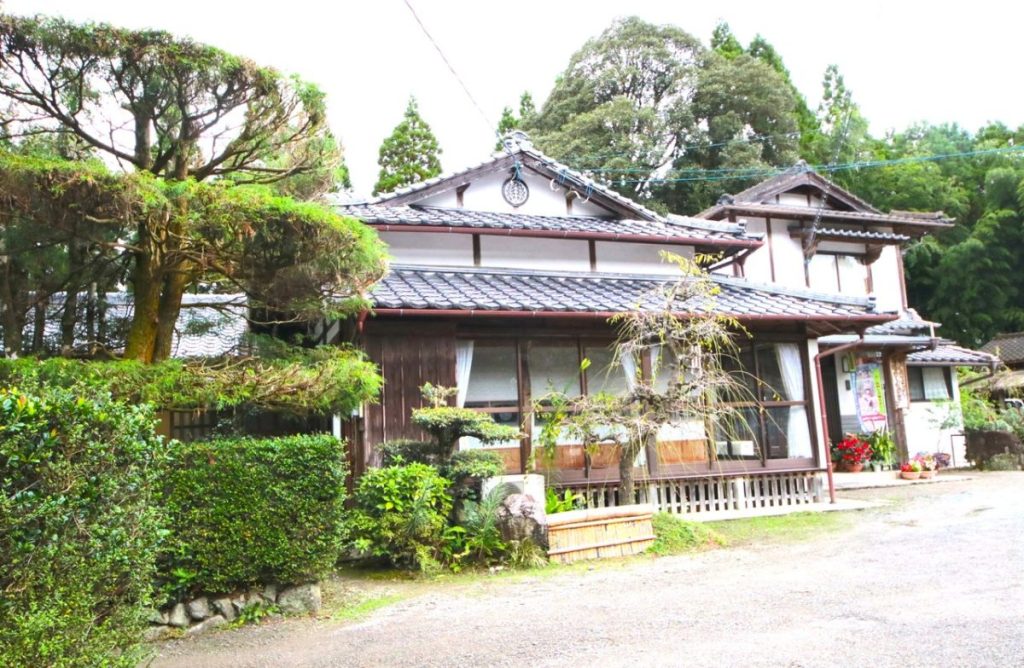
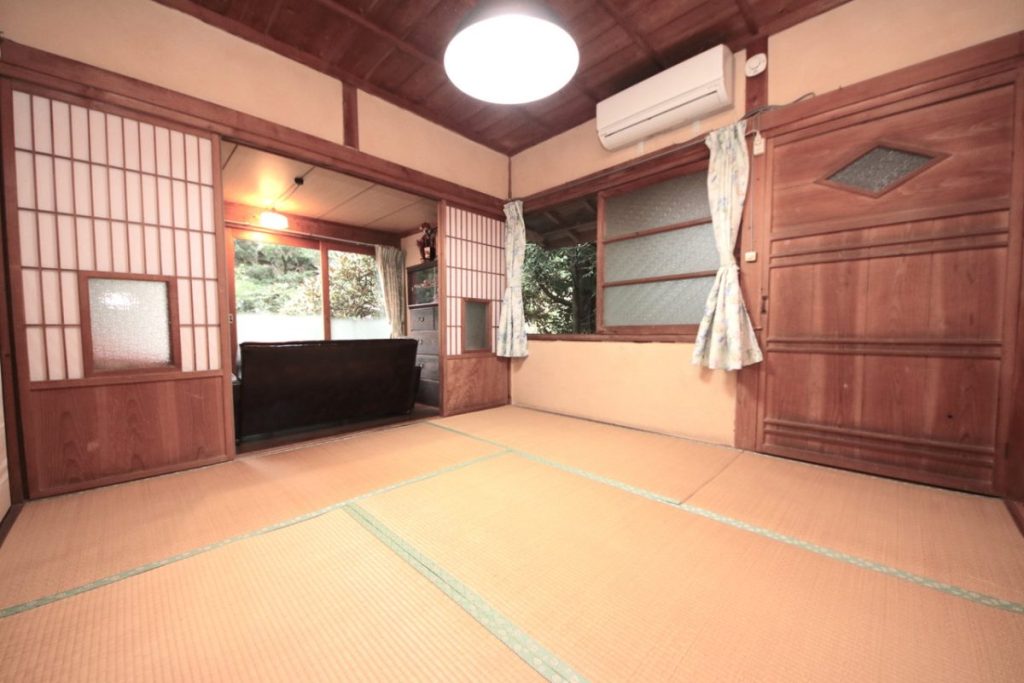
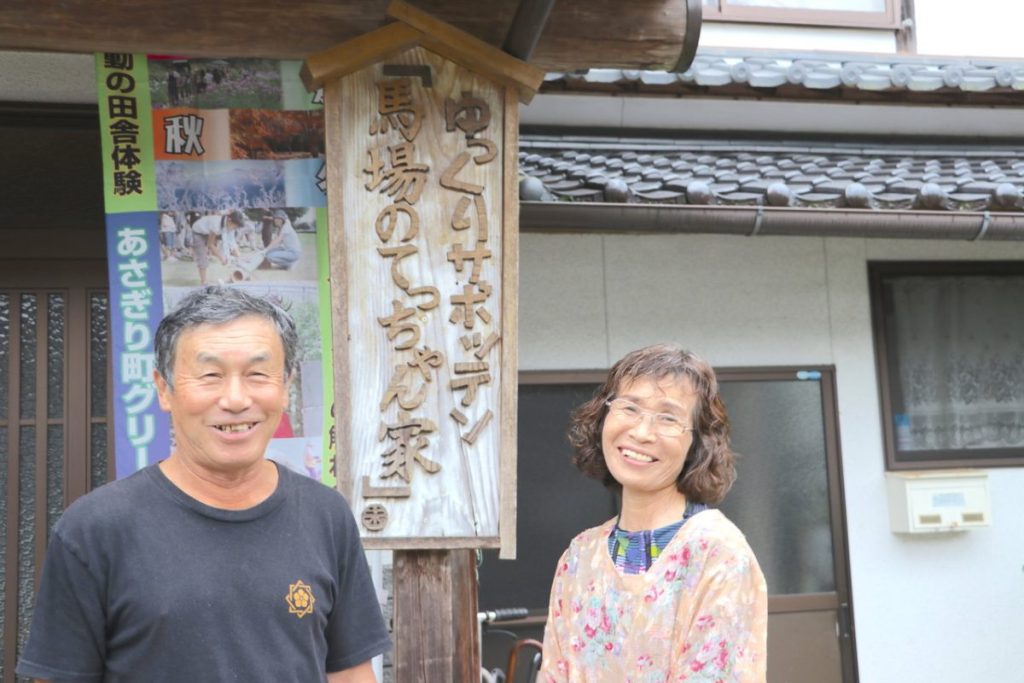
A residence on the site of a historic samurai estate, with fields and bamboo groves spread across some 7,200 square meters of land.
Here, ducks eat the pests and stir up the soil in the paddies, and the resulting duck-farmed rice reveals a gentle sweetness the more you chew. Pair it with tsubonjiru, a local Kuma-region soup, and salt-grilled sweetfish, plus a glass of local rice shochu enjoyed in the traditional way. Conversations with the friendly host can range from local history and industry to advice on life itself. In autumn, you can also join in the rice harvest (1,031 yen).
▶︎ Type: Homestay, up to 15 guests
▶︎ Access: About 30 minutes by car from JR Hitoyoshi Station (pick-up from Hitoyoshi Station available; book by the day before) / about 30 minutes by car from Hitoyoshi IC on the Kyushu Expressway / about 60 minutes by car from Shin-Yatsushiro Station on the Kyushu Shinkansen
▶︎ Meals: Dinner and breakfast included (bathing at a nearby hot spring facility, with transportation provided)
Taste This Year’s New Rice at a Rice Farm Stay
At a farm guesthouse known for its rice, the rice isn’t a side to go with the main dish. It is the star of the meal. Listening to the people who grew it while eating rice from their own paddies, cooked fresh, is a way of traveling you can only enjoy in new rice season. All 7 rice farm stays in this guide can be booked on STAY JAPAN. If one catches your eye, check availability for the new rice season.
You might also like:
Fruit and Veggie Picking in Japan: 7 Farm Stays for the Autumn Harvest