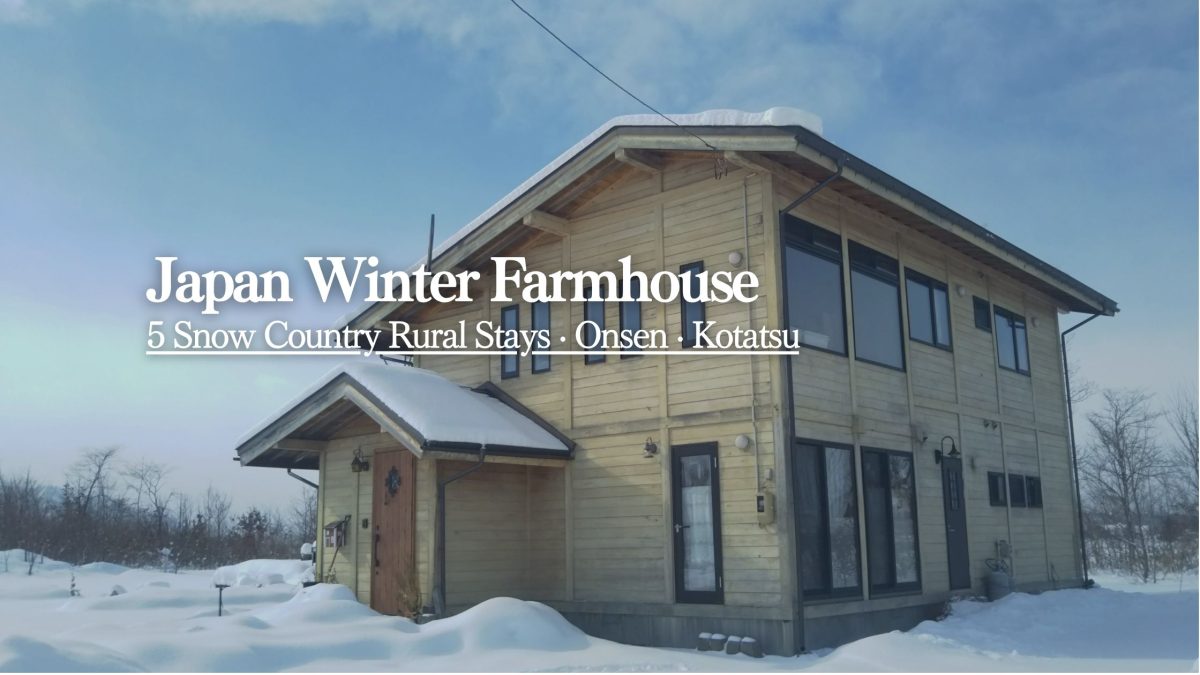

Japan’s winters hold a secret that most visitors never discover. While travelers crowd Tokyo’s illumination events and Kyoto’s year-end temples, those who venture into Japan’s countryside find something far more extraordinary: a world of pristine snowfields, steaming onsen baths drawn from mountain springs, and the deep warmth of a centuries-old farmhouse hearth glowing in the dark. Rural Japan in winter is the country at its most intimate — slower, quieter, and more willing to show you who it really is.
STAY JAPAN connects international travelers with exactly these experiences. From privately-owned kominka (traditional farmhouses) in Gunma’s ski country to natural hot spring villas in snow-covered Zao, the properties on STAY JAPAN’s English platform offer winter rural stays you won’t find on any hotel booking site. And with far fewer foreign visitors in the Japanese countryside during winter months, the experience of genuine cultural connection — with your hosts, your surroundings, and the season itself — is richer than at any other time of year.
These five stays span Japan’s winter landscape from Tohoku’s heavy snowbelt to Hiroshima’s mild Setouchi coast. Whether you’re drawn to ski slopes, onsen soaks beneath falling snow, irori hearths in 150-year-old farmhouses, or simply the pleasure of a Japanese countryside winter at its most unhurried, this list delivers.
Why Japan’s Countryside in Winter Is Worth the Trip
Most international visitors plan Japan trips around cherry blossoms in April or autumn foliage in November. Winter, particularly in rural areas, remains significantly less crowded — and for travelers who discover it, that’s part of the appeal. You arrive when the countryside belongs to its people, not to tour groups, and the access it grants you to authentic local life is unmatched.
In Tohoku and Japan’s snow country regions, December through February brings a landscape transformation. Rice paddies fill with snow, farmhouse rooftops wear white caps, and mountain onsen reach their most atmospheric peak — steaming against cold air as snowflakes settle around the bath. This is the setting for Japan’s deep winter culture: nabe hot pots bubbling with mountain vegetables and local game, irori open hearths glowing at the center of farmhouse common rooms, and the unhurried rhythm of a people who learned long ago to find warmth and pleasure in winter’s arrival.
In Japan’s milder southern and coastal regions, meanwhile, winter brings clear skies, calm seas, and heritage streets so quiet you feel them as locals do. A completely different kind of winter — equally Japanese, equally unforgettable.
Furthermore, winter travel to rural Japan tends to be significantly more affordable than peak seasons. Fewer foreign visitors, fewer domestic tour groups, and properties that are genuinely happy to welcome you during a quieter period. For travelers who’ve done Tokyo and Kyoto, rural Japan in winter is the natural next chapter.
What Makes STAY JAPAN Winter Stays Different?
- Private properties, not hotel chains: Every STAY JAPAN property is independently owned. Your host is the person who lives there (or nearby), and that connection changes everything.
- Meals that reflect the season: Many STAY JAPAN winter stays include home-cooked dinners featuring winter vegetables, mountain roots, and seasonal hot pots made from local ingredients.
- Exclusive inventory: STAY JAPAN’s English platform (en.stayjapan.com) lists properties that genuinely cannot be found on Airbnb or Booking.com.
- Onsen and irori access: Several winter properties include natural hot spring baths or traditional open hearths — experiences that define Japan’s cold-season culture.
- Hosts who know their landscape: Farm hosts, traditional house keepers, and mountain villa owners all share a deep familiarity with winter conditions, activities, and local highlights that no travel app can replicate.
Our Top 5 Winter Rural Stays in Japan
NEGURA -塒- — Zao, Miyagi
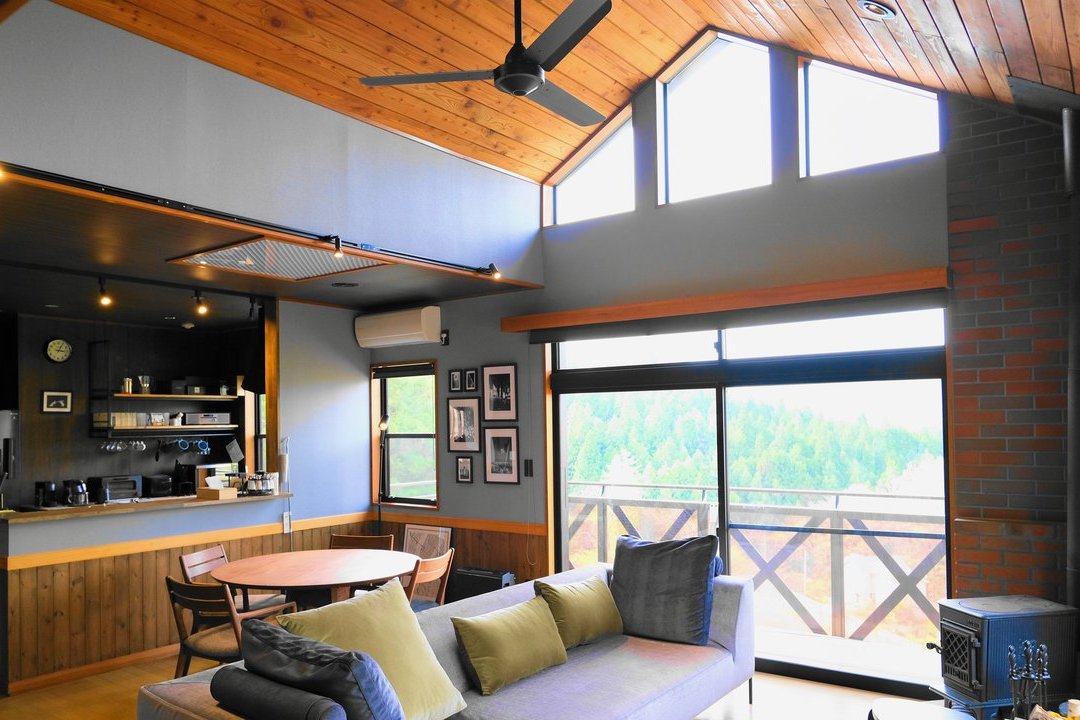
In the Zao Sansuien resort area of Katta, Miyagi, NEGURA (meaning “roost” or “nest” in Japanese) is a natural hot spring villa designed for deep rest in snow country’s most beautiful season. For up to 5 guests across Western and Japanese-style rooms, the property combines the luxury of an on-site natural hot spring bath with the drama of Zao’s snow-blanketed mountain scenery — one of Tohoku’s most visited winter landscapes.
Zao is famous throughout Japan for two things: its excellent ski slopes and its juhyo — trees coated by icy winds into spectacular frozen forms that Japanese visitors call “snow monsters.” In late January through March, the mountains around NEGURA transform into this otherworldly landscape, visible from nearby observation points and accessible by ropeway. After a day in the cold, NEGURA’s natural onsen provides exactly the warmth you need.
Reviews consistently praise the combination of onsen accessibility and mountain views, and the property’s workcation-friendly setup makes it popular with remote workers who want to combine productive days with extraordinary evenings. It’s ideal for a slower winter trip focused on snow, soaking, and letting Japan’s mountain winter speak for itself.
❄️ Winter highlights:
- Natural hot spring bath on-site — soak as snowfall surrounds you
- Zao mountain views; access to juhyo “snow monsters” (late Jan – Mar)
- Near Zao Ski Resort (open December through April)
Best for: Couples and small groups seeking onsen + snow country retreat
Location: Katta District, Miyagi Prefecture — Zao Sansuien area
Access: Best reached by rental car from Sendai or Shiroishi-Zao IC.
halcoya — Shizukuishi, Iwate
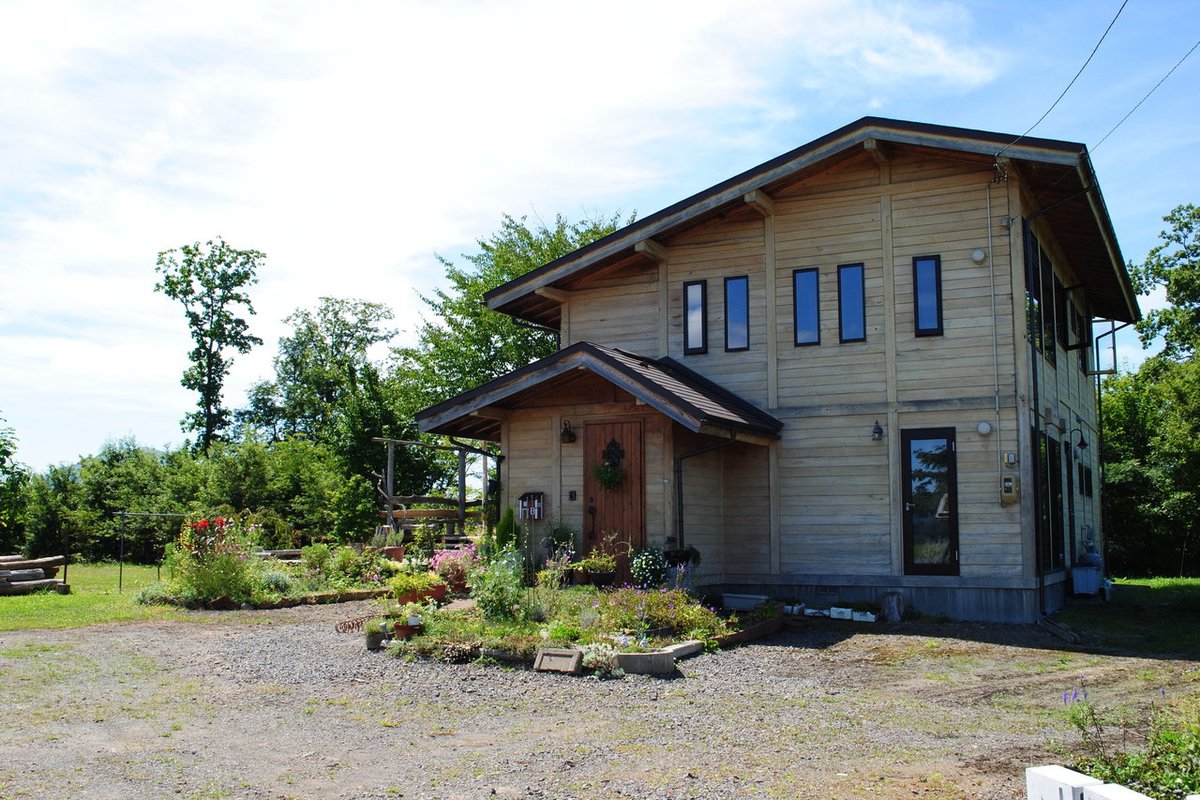
halcoya is a guesthouse in Shizukuishi Town, Iwate Prefecture — a mountain community in the Kitakami Highlands with Shizukuishi Ski Resort just 20 minutes away and the renowned Appi Kogen within 45 minutes. Built with extraordinary attention to natural materials (its name reflects the Japanese concept of “savoring trees”), halcoya incorporates 10 different species of native timber in its construction: a design philosophy that makes every surface warm, textured, and alive. For up to 7 guests across three bedrooms, the property offers views of snow-covered Mt. Iwate and Lake Gosho, plus BBQ and bonfire experiences in the grounds.
In winter, Shizukuishi’s mountain setting delivers reliable snowfall and the deep tranquility of a Tohoku countryside with few tourists. The wood-forward interior — warm, handcrafted, surrounded by forests — feels purpose-built for cold winter evenings. Shizukuishi Ski Resort, just 20 minutes from the property, makes for a convenient day on the slopes; Appi Kogen — one of Tohoku’s premier resorts with 21 runs and reliable powder — offers a more expansive ski experience approximately 45 minutes away.
Moreover, halcoya offers something that ski resort hotels rarely can: the feeling of genuinely living in the Japanese mountain countryside. You wake to forest views rather than resort corridors, and the scale of the natural landscape around you becomes an experience in itself.
⛷️ Winter highlights:
- Near Shizukuishi Ski Resort (approx. 20 min) and Appi Kogen (approx. 45 min)
- Views of snow-covered Mt. Iwate and frozen Lake Gosho
- Bonfire experiences with native timber; 10-species wood interior design
Best for: Groups and families combining skiing with rural Japan stay; architecture enthusiasts
Location: Shizukuishi Town, Iwate Prefecture
Access: Best reached by rental car from Morioka (approx. 40 min).
Satogoro Guesthouse — Numata, Gunma
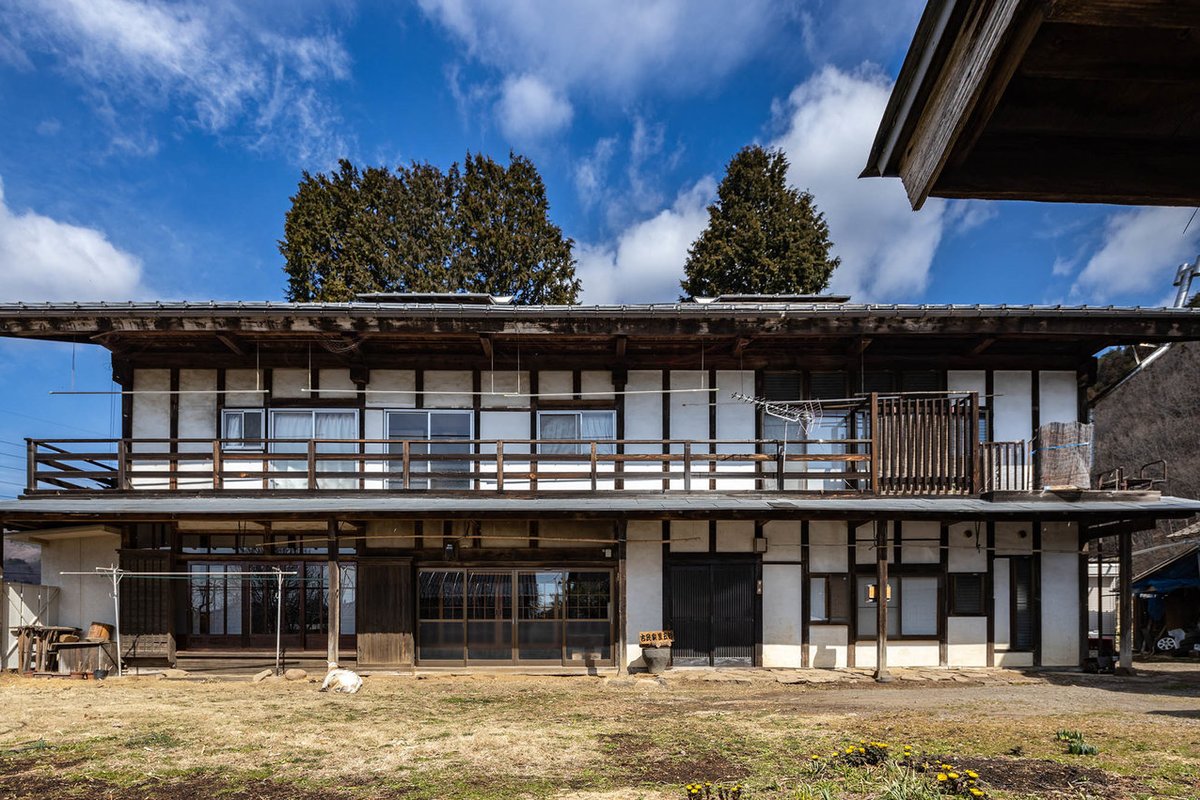
Satogoro Guesthouse is a 140-year-old renovated farmhouse in Numata City, Gunma — a region flanked by ski areas, mountain gorges, and the dramatic highland landscapes of Japan’s Joshinetsu region. With capacity for up to 10 guests across three rooms, it’s one of the larger rural options available on STAY JAPAN’s English platform. The guesthouse includes all meals: breakfast and dinner made from organic vegetables grown on the property’s farm, delivered by a host whose warmth and humor are recurring themes in guest reviews.
The property’s secret weapon in winter is its irori — the traditional open hearth at the center of the farmhouse. Guests gather around it after dinner, warm themselves by the fire, and experience what Japanese farmhouse winter life has felt like for centuries: communal, unhurried, and deeply satisfying. There’s also the famous “kura test of courage” in the old storehouse — a light-hearted farm experience that guests cite as unexpectedly memorable.
Numata sits in Gunma’s snowbelt, with several ski areas accessible by car: Oze Iwakura, Katashina, and Minakami. Minakami, just 30 minutes south, is Japan’s largest concentration of outdoor activity operators, offering winter snowshoeing, rafting under ice-capped gorges, and onsen towns.
🐐 Winter highlights:
- Traditional irori hearth at the center of the 140-year-old farmhouse
- All meals included: farm-to-table with organic winter vegetables
- Near Gunma ski areas; Minakami outdoor activities 30 min away
Best for: Families, groups, and winter farmhouse first-timers; hearth and hot pot seekers
Location: Numata City, Gunma Prefecture
Access: Best reached by rental car from Numata IC on the Kanetsu Expressway.
sai-hara ife — Uenohara, Yamanashi
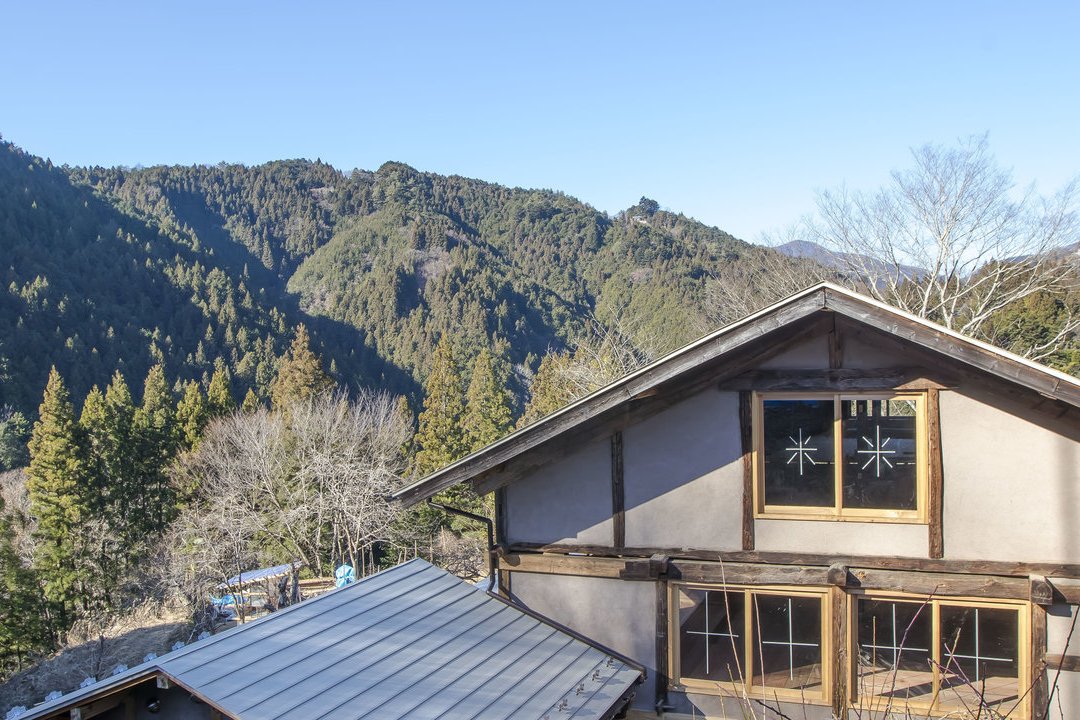
Just 90 minutes from Shinjuku by car, sai-hara ife occupies a 150-year-old kominka in the Uenohara hills of Yamanashi Prefecture — making it one of the most accessible traditional farmhouse experiences available from Tokyo. For up to 10 guests across three bedrooms, the property preserves the essence of Edo-era farmhouse life: exposed beams, a large irori hearth, and a rhythm of daily life that moves at the farmhouse’s own pace.
Yamanashi’s winter air is clear and dry, and on fine days — particularly January and February when humidity drops — Mt. Fuji appears with exceptional clarity to the south of Uenohara. The mountains around the property also receive modest snowfall, creating a gentle winter atmosphere without the logistical demands of deep snow country. For Tokyo travelers who want winter farmhouse character without a long journey north, sai-hara ife is the answer.
Additionally, Uenohara sits at the gateway to the Sagamiko area: a river gorge region with natural hot springs, local sake breweries, and rural scenery that justifies several days of exploration. The Sagamigawa river valleys around Uenohara take on a quiet beauty in winter that summer crowds entirely miss.
🗻 Winter highlights:
- Traditional irori hearth glowing through winter days and evenings
- Possible Mt. Fuji views on clear winter days (Jan–Feb especially)
- 90 minutes from Tokyo — ideal for long weekend escapes
Best for: Tokyo-based travelers, large groups, families seeking accessible rural winter
Location: Uenohara City, Yamanashi Prefecture
Access: Best reached by rental car via Chuo Expressway (Uenohara IC), approx. 90 min from Shinjuku.
Minpaku Tomitsune — Mitarai, Osakishimojima, Hiroshima
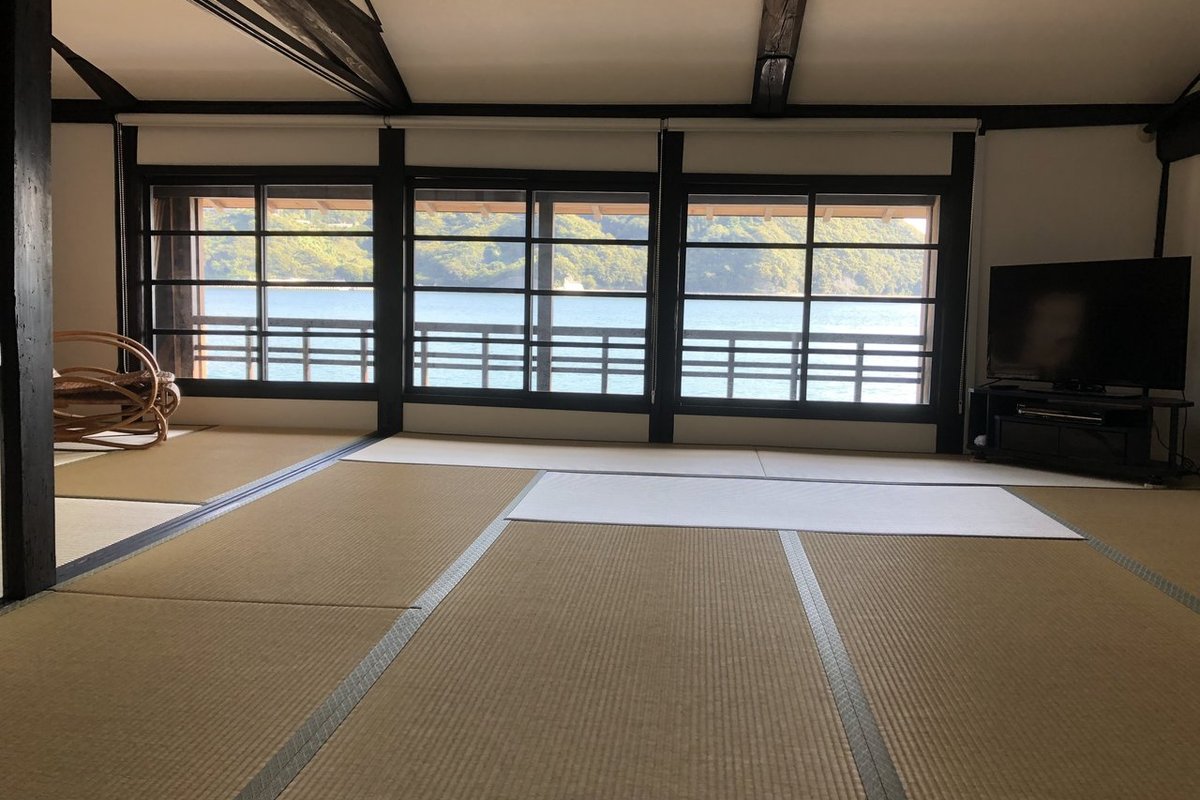
For travelers who prefer Japan’s mild Setouchi winter, Minpaku Tomitsune offers a completely different seasonal experience. Located on Osakishimojima Island in Kure City, Hiroshima — reached via the scenic Tobiushima Kaido bridge route — this 150-year-old traditional house sits within the Mitarai Important Traditional Building Preservation District. The port town of Mitarai flourished during the Edo period as a waystation for ships navigating the Inland Sea, and its remarkably intact streetscape of merchant houses, temples, and narrow lanes has been protected as a national cultural heritage site ever since. For up to 5 guests, the property includes ocean views of the Setouchi Inland Sea and an on-site café that becomes a perfect slow-morning ritual.
Kure’s island winters are mild and largely snow-free: clear skies, calm sea air, and a preserved historic town that sees almost no tourists after autumn. This is winter in Japan’s Setouchi style — walking through streets that have changed little in 200 years, watching fishing boats on the inland sea, eating fresh local seafood, and settling into the quiet tempo of an island community that time has been kind to. Hiroshima City’s broader historical and cultural offerings — including the Peace Memorial — are accessible by car via the mainland bridge route.
Specifically for travelers building a western Japan itinerary, the island arrival itself — crossing the bridges of Tobiushima Kaido with the Setouchi spread around you — is an experience that begins well before you reach the front door.
🌊 Winter highlights:
- Mitarai Important Traditional Building Preservation District — historic island port town
- Setouchi ocean views and mild, clear winter weather
- On-site café; scenic island arrival via Tobiushima Kaido (approx. 60 min from Kure city center, 90 min from Hiroshima City)
Best for: Couples and history lovers; Japan winter travel without heavy snow logistics
Location: Mitarai, Osakishimojima Island, Kure City, Hiroshima Prefecture (Tobiushima Kaido)
Access: Best reached by rental car via Tobiushima Kaido bridge route — approx. 60 min from Kure city center, 90 min from Hiroshima City. Free parking available.
Tips for Planning Your Japan Winter Rural Stay
- Book early for December: The New Year period (December 28–January 3) fills up months in advance at rural properties. If you’re targeting the festive season, book by October at the latest.
- Pack layers: Even heated kominka can be draughty in extreme cold. Bring warm pajamas and slippers; many properties provide futon sets, but indoor temperature varies.
- Obtain an International Driving Permit (IDP) before your trip: Four of these five properties are best reached by rental car. Most Japanese rental agencies require an IDP alongside your home country driver’s licence. Apply through your national automobile association before departure — processing typically takes just a few days.
- Winter tires are mandatory in snow country: When renting a car for Tohoku or mountain areas, confirm the rental agency provides snow tires. This is typically automatic in snow-region agencies but worth confirming.
- Onsen etiquette: For hot spring properties, review basic onsen rules before arrival: enter the bath clean, no tattoos in shared facilities, no towels in the water. Private baths (for NEGURA, for example) follow no such restrictions.
- Off-peak value: January and February — after the New Year rush — offer some of rural Japan’s best value. Properties that were booked solid in December often have availability, at lower prices.
- Ask your host for local winter tips: Farm hosts and village guesthouse owners know things no app does — which viewpoint has the best snow views, which local restaurant serves the best nabe, when the nearest shrine holds its winter festival.
Frequently Asked Questions
Do rural Japan farmhouses have heating?
Most traditional farmhouses (kominka) available on STAY JAPAN are heated via electric space heaters, gas heating, or the traditional irori open hearth. Modern renovations at well-reviewed properties typically include underfloor heating or efficient kerosene heating. Confirm specifics with your host before booking, particularly if you’re sensitive to cold.
Is it possible to see Zao’s famous juhyo (snow monsters) from the NEGURA stay?
Yes. The juhyo ice-coated trees (sometimes called “snow monsters”) form on the slopes of Zao mountain typically from late January through mid-March, when cold winds from the Sea of Japan coat the trees in successive layers of ice. They’re accessible by the Zao Ropeway and are within the same area as NEGURA’s property. Timing and formation depend on annual weather conditions.
Can I ski from these stays?
halcoya in Shizukuishi is within approximately 20 minutes of Shizukuishi Ski Resort and 45 minutes of Appi Kogen; Satogoro in Numata has several Gunma ski areas within range; NEGURA is close to Zao Ski Resort. Skiing is possible as a day trip from sai-hara ife at nearby Sagami and Okutama resorts as well. The Mitarai/Hiroshima (Tomitsune) stay is not ski-adjacent.
When is the best time for a winter rural Japan stay?
Mid-January through mid-February typically offers the deepest snow and most dramatic winter atmosphere in Tohoku and snow country. December 20–27 is good value with reliable snow. The New Year period (Dec 28–Jan 3) is popular and expensive. Late February and early March begin to show early spring hints in southern regions.
Does STAY JAPAN’s English platform support international bookings?
Yes. The full English platform at en.stayjapan.com supports international travelers with English-language browsing, booking, and host communication. Several hosts speak English or use translation tools for communication.
Start Your Japan Winter Adventure
Rural Japan in winter offers experiences that most international visitors never reach — snow country farmhouses, onsen baths beneath falling snow, and the deep warmth of communities that have made winter beautiful for centuries. These five stays are your gateway to that Japan.
Browse all STAY JAPAN properties →
Related Articles
- 6 Unique Tohoku Autumn Stays: Folklore, Onsen & Village Sanctuaries
- The Ultimate Guide to Staying in Rural Japan (2026 & 2027)
- Japanese Farmhouse Stay: What to Expect on Your First Visit
Related Feature Collections: