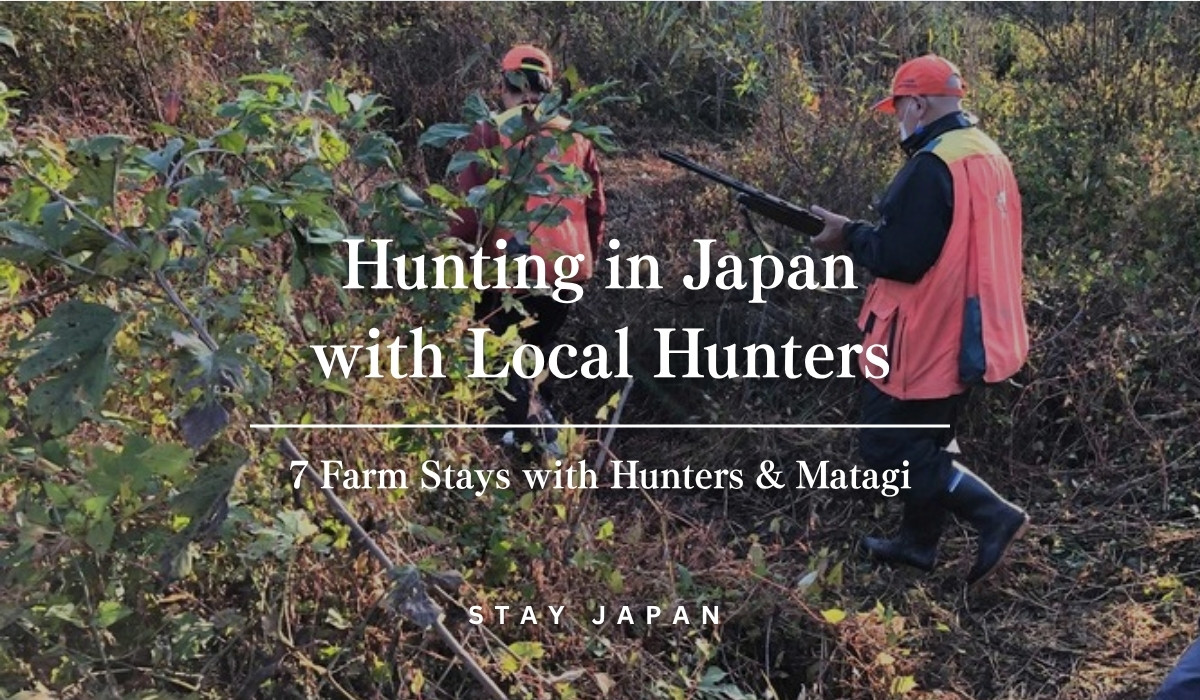

“Deer are multiplying and wrecking the fields.” “A bear came down into the village.” Headlines like these have become far more common in Japan over the past few years. Yet if you live in a city, you rarely get a real sense of what is happening in the mountains, or of the people behind hunting in Japan today.
If you are curious about hunting in Japan, this guide is for you. We have picked 7 stays from STAY JAPAN where you can join a hunting experience in the Japanese countryside, from farm stays hosted by trap hunters and Matagi (traditional mountain hunters of northern Japan) to a private rental where you can tag along with the local hunters’ association. This is a trip to hear about the mountains as they are today, straight from the people who work in them.
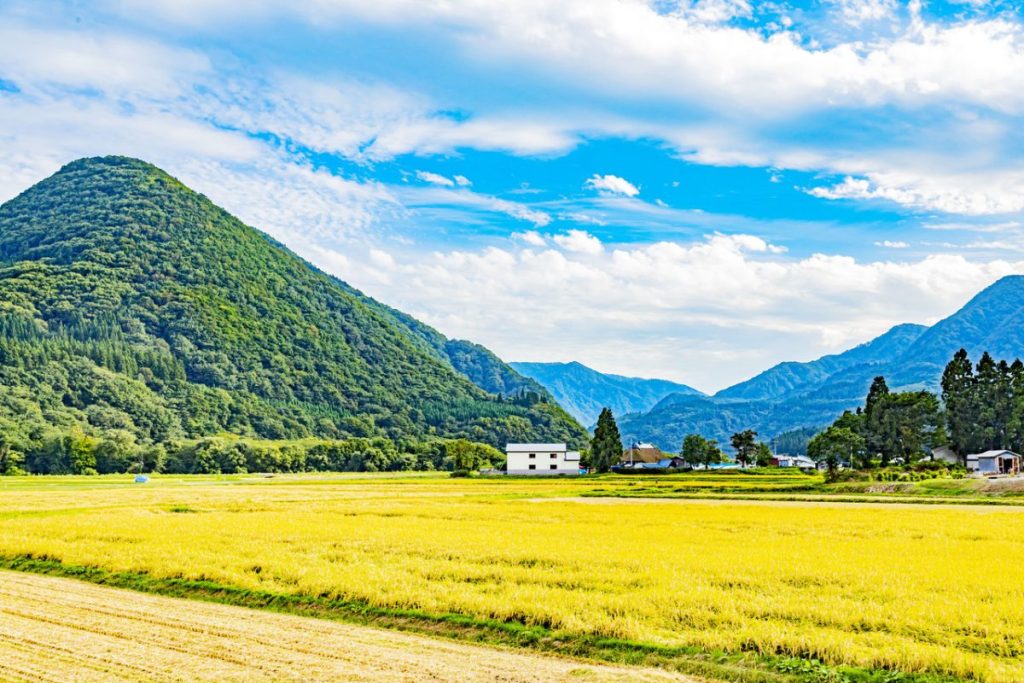
Why Meet a Hunter Now? What Hunting in Japan Reveals About Rural Life
Crop damage from overpopulated deer and wild boar, bears appearing near villages: news and social media are full of stories about how Japan’s mountains and farming communities are changing. But there is a big gap between what you see on a screen and what is really happening on the ground.
The people watching these changes, and the cycles of nature, most closely are the hunters.
They read animal trails, set traps, butcher their catch, and bring that life to the dinner table. Spending time with them means witnessing a serious exchange of life and death that modern daily life keeps out of sight, feeling the tension that sharpens all five senses, and discovering what it truly means to be grateful for food. Being there in person is an experience that moves you deeply.
What happens when wild animals multiply in the mountains? What do the people who live there think about, and what are they trying to protect?
With the people behind hunting in Japan aging and fewer young people taking up the work, chances to hear their stories firsthand are becoming rare. That is exactly why sharing a meal and heading into the hills with a host at a hunting stay is such an authentic Japan experience, one that teaches you far more than any headline.
Wildlife damage, a shrinking pool of hunters, and what becomes of the animals that are caught: why not spend a night off the beaten path and feel for yourself what is happening in Japan’s mountain villages today?
Hunting in Japan: How to Choose a Stay by Season, Experience, and Requirements
1. Plan around the hunting season
Hunting in Japan is only allowed during a legally defined season, which generally falls in winter. Among the stays in this article, duck hunting runs from November 15 to February 15, and joining the local hunters’ association is possible only from November to March. On the other hand, listening to a Matagi’s stories and tasting wild game cuisine can be enjoyed all year round.
2. Decide how involved you want to be
Heading into the mountains with a hunter, checking traps together, watching an animal being butchered, or simply listening to stories: the depth of the experience varies from stay to stay. If it is your first time trying hunting in Japan, starting with a hunter’s stories is a great option.
3. Check age limits and other requirements
Some experiences are for adults only, while others are open to children from elementary school age (around 6) and up. Requirements differ by stay, so if you are traveling as a family, check before you book.
Tips Before You Book
- A catch is never guaranteed. You are dealing with nature, and some days nothing turns up.
- Travelers cannot handle hunting guns. If you do not hold a Japanese hunting license, your role will mainly be accompanying, observing, and helping out.
- Butchering means facing a life head-on. You may see blood, so if you are traveling with children, talk to your host in advance.
- Most experiences require a reservation. However, some cannot be booked in advance, such as those you can only watch when an animal happens to be caught.
1. Into the Mountains with a Hunter: Stays Where You Can Join a Hunt
For the most hands-on side of hunting in Japan, these three stays let you head into the hills alongside working hunters.
Farmhouse JITTOKU — Maizuru, Kyoto
— Walk the Mountains with a Trap Hunter, Then Learn to Butcher and Cut the Meat
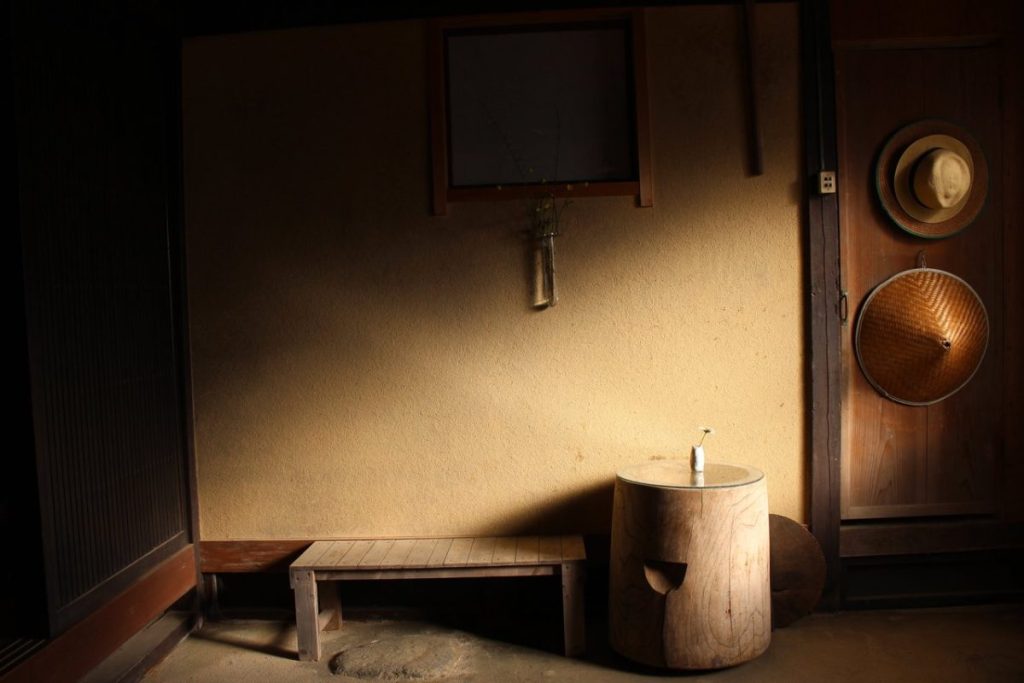
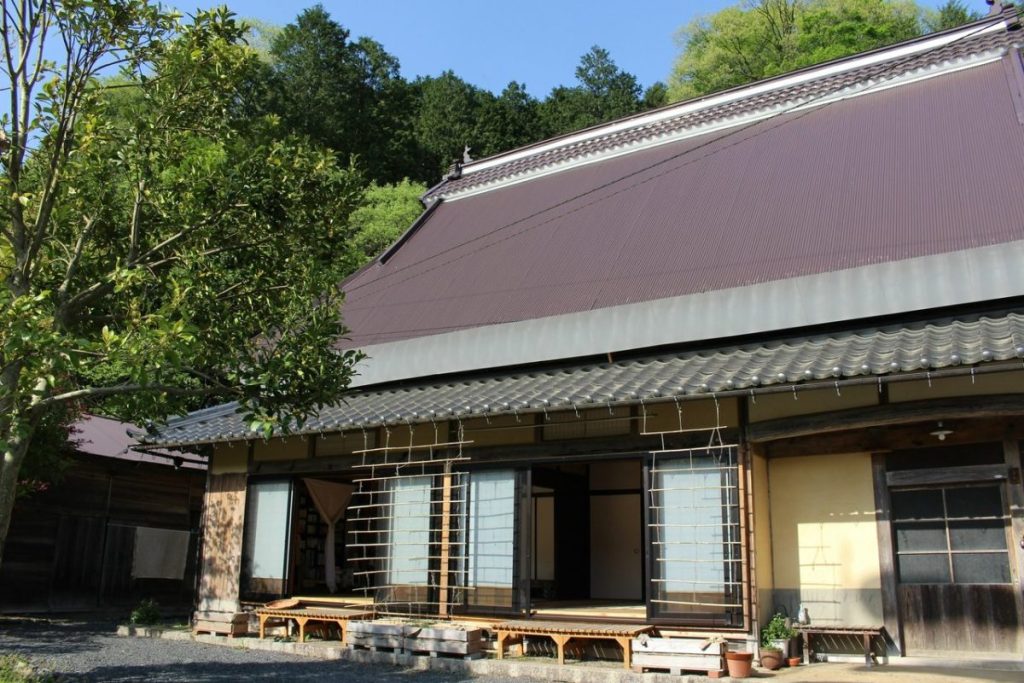
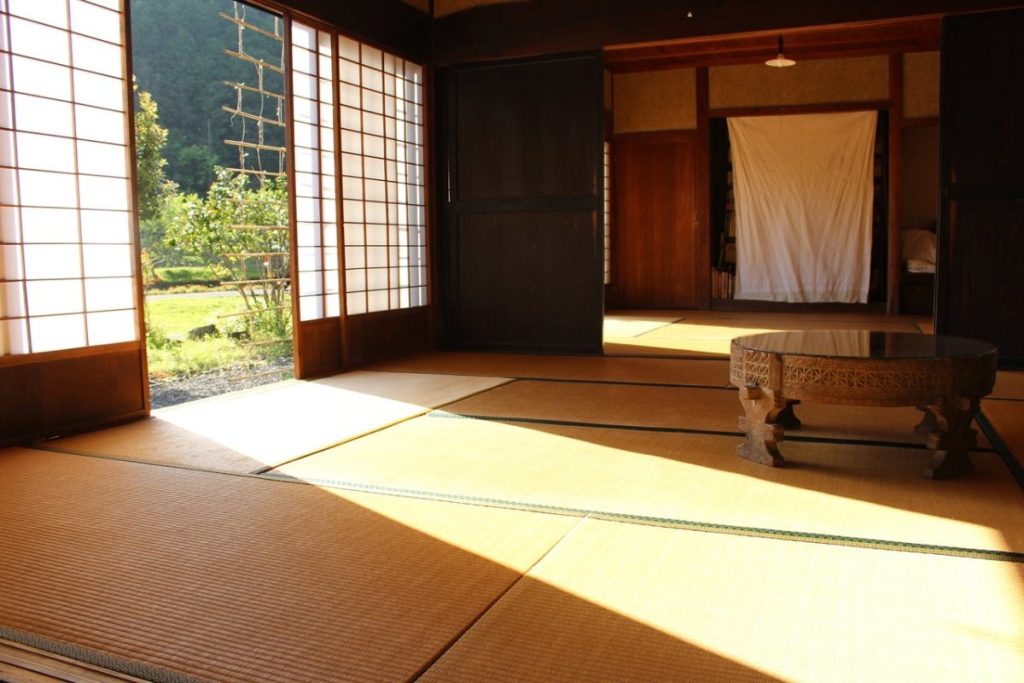
Set in the Saihoji community of Maizuru, on the Sea of Japan side of northern Kyoto Prefecture, this farm stay is run by a family that lives by hunting, foraging, and working their rice fields and vegetable plots. Host Yusuke Shimizu is a trap hunter who also runs Kanzan, a wild game processing facility. He handles everything himself, from the hunt to butchering and processing, and is known locally as “the mountain butcher.”
The highlights are a trap hunting experience, where you check the traps with Shimizu, and a meat cutting experience, where you portion the meat from the catch. Walking the mountains through a hunter’s eyes, familiar scenery suddenly looks completely different. In the evening, rice cooked over a wood-fired stove is served with wild plants and wild game dishes. Alongside a real sense of receiving a life, you will taste the deep, nourishing flavors of the Japanese countryside.
▶︎ Type of stay: Homestay, up to 5 guests
▶︎ Hunting experiences: Trap hunting, meat cutting, chicken slaughtering (optional, reservation required)
▶︎ Other experiences: Catching river shrimp, sausage making, preparing preserved foods, chopping firewood, cooking rice on a wood-fired stove, and more
▶︎ Meals: Rice cooked on a wood-fired stove, with dishes made from wild plants, wild game, and seasonal vegetables
▶︎ Access: Pick-up available from JR Nishi-Maizuru Station or Shisho Station on the Kyoto Tango Railway (please inquire)
Farm-stay Satoyama — Izumozaki, Niigata
— Winter Duck Hunting with a Former Hunter Host and the Local Hunters’ Association
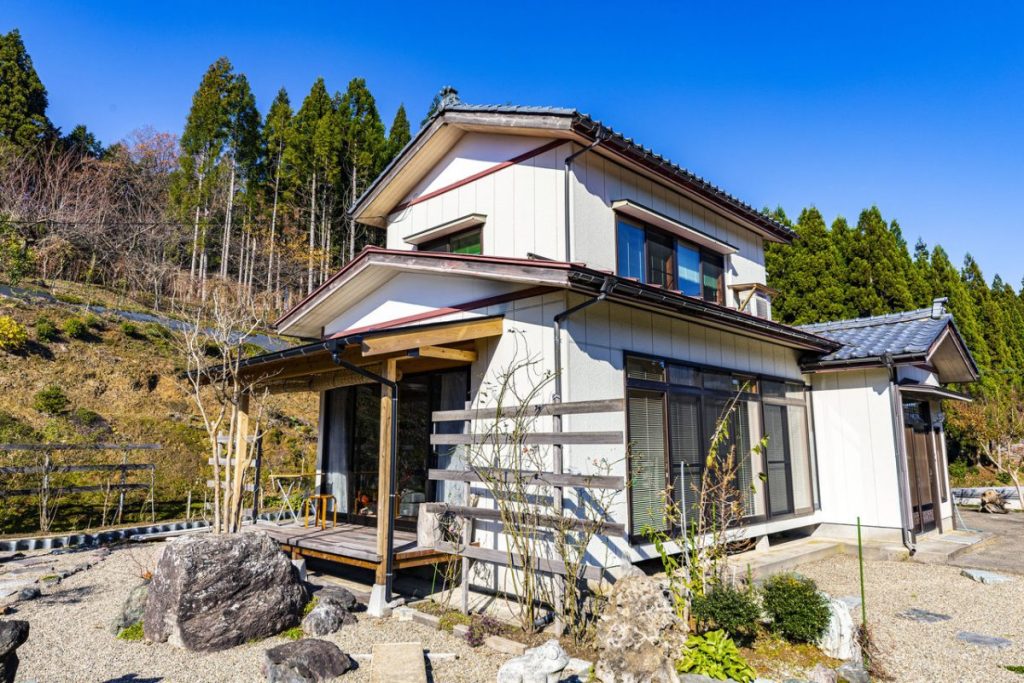
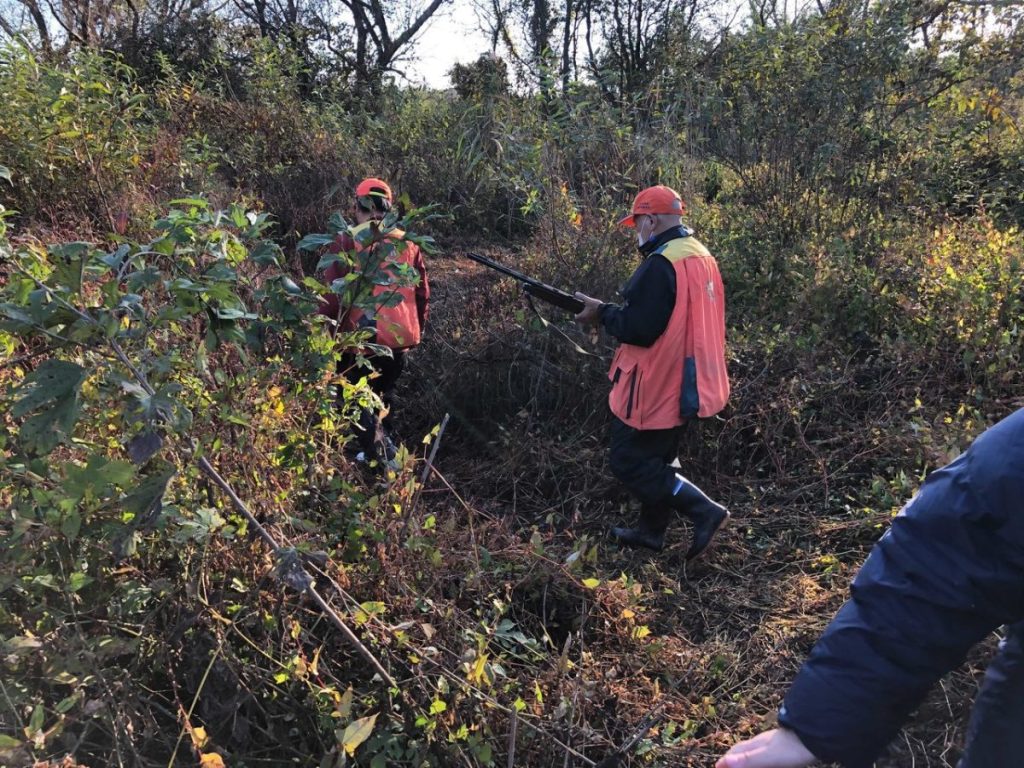
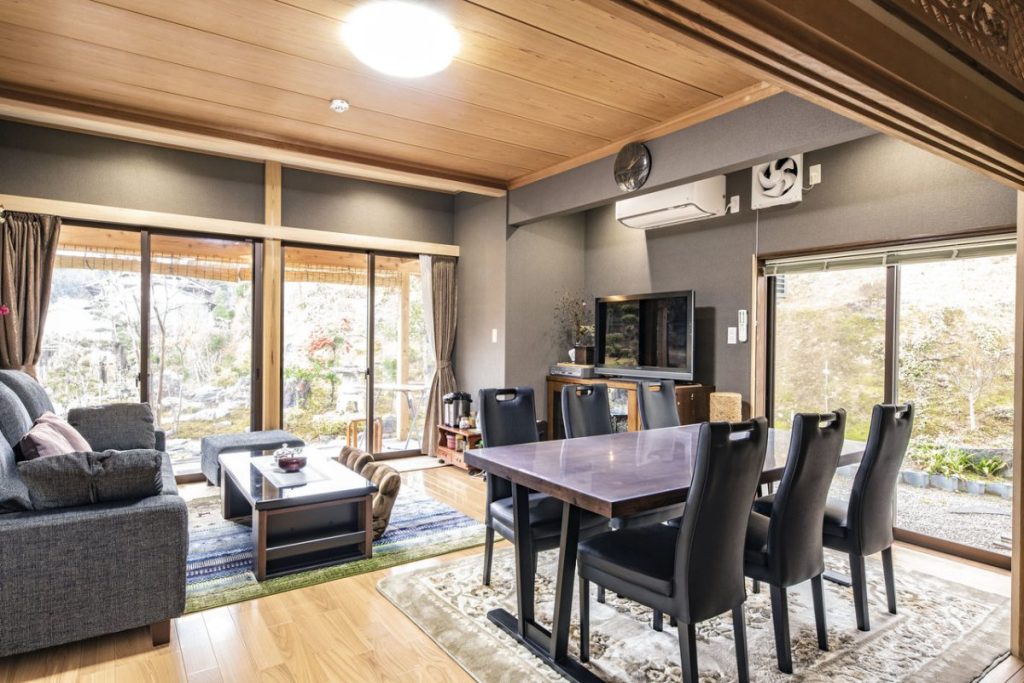
This farm stay is run by a family that has grown rice for three generations. Guided by host Mr. Moriyama, a former hunter himself, you can head out duck hunting with hunters from the local hunters’ association.
Dinner the night before doubles as a “strategy meeting” joined by two or three hunters. The next morning you set off at 7 a.m. and accompany the hunt until around 9:30. You cannot hold a gun yourself, but you will feel the thrill and tension of searching for ducks, the sheer power of a hunting gun, and the teamwork of the hunters up close. And when the duck is served, you will truly appreciate the life you are receiving.
Outside hunting season, the hosts welcome you with home cooking made with Niigata Koshihikari rice, homegrown vegetables, and local fish. Relaxing while gazing at the Japanese garden, where koi carp swim in the pond, is another way to unwind.
▶︎ Type of stay: Private rooms, up to 7 guests. Whole-house booking available for 6 or more
▶︎ Hunting experience: Duck hunting (hunting season only, November 15 to February 15; adults only; guests arriving by car only)
▶︎ Meals: Dinner and breakfast included. Home cooking with Niigata Koshihikari rice, homegrown vegetables, and local fish
▶︎ Access: About 20 minutes by car from Nishiyama IC on the Hokuriku Expressway. By public transport, take a bus from JR Nagaoka Station (a stop on the Joetsu Shinkansen from Tokyo) to Izumozaki Station (about 55 minutes), then a pick-up of about 10 minutes
Higashimera Silver Mirror Inn Ichinojin — Saito, Miyazaki
— Join the Local Hunters’ Association in Shiromi, a Village of Sacred Kagura Dance and Hunting
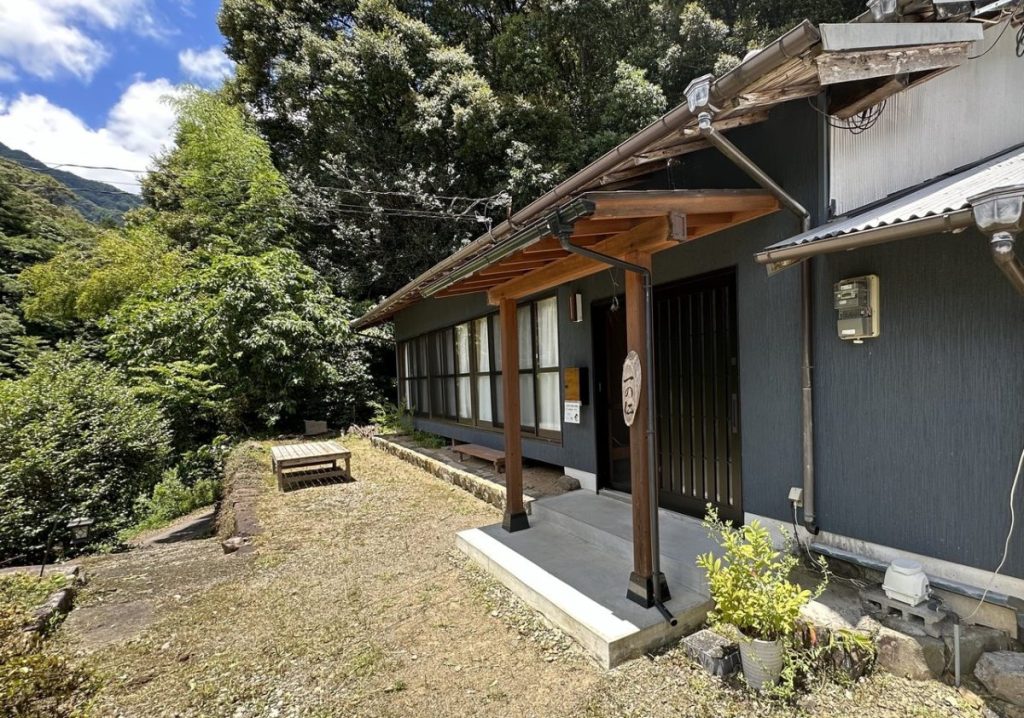
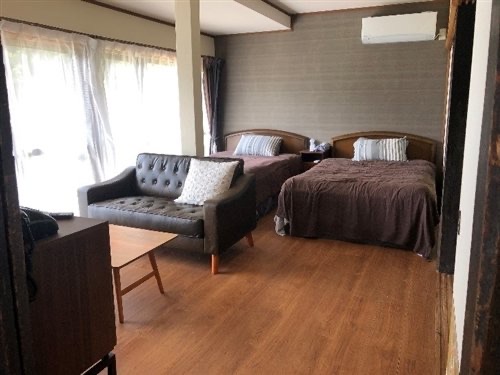
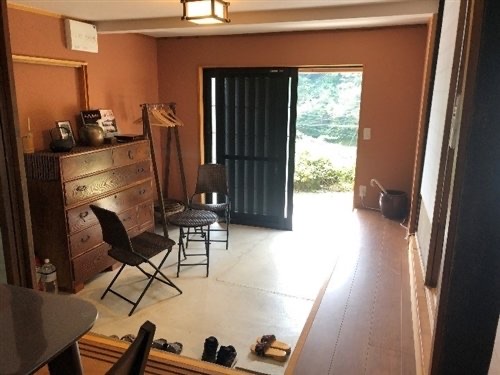
The Shiromi district is famous for Shiromi Kagura, a sacred dance designated a nationally Important Intangible Folk Cultural Property. In this mountain village, where kagura and hunting traditions are still very much alive, stands a private house that hosts just one group at a time.
During hunting season, you can join a hunting experience scheduled around the local hunters’ association’s activity days. It is a rare chance to step, as a traveler, into the hunting that has long sustained life in these mountains. There is also a wide range of other mountain village experiences, including waterfall meditation, forestry work, river fishing, and making yuzu kosho (a spicy citrus paste).
The property has an open-air bath built in a converted cowshed and a barn with a hearth about the size of a tatami mat. Soaking in the open-air bath under the starry sky above the valley is a treat in itself.
▶︎ Type of stay: Entire house, up to 6 guests
▶︎ Hunting experience: 2,000 yen per person (minimum 2 people); November to March hunting season, on hunters’ association activity days
▶︎ Other experiences: Waterfall meditation, chopping firewood, forestry work, river play and fishing, guided tour of Shiromi Shrine, and more (all for elementary school age and up)
▶︎ Meals: Room only as standard. Dinner and breakfast from the local diner “Musubiya Shiromi Shokudo” can be added (book as an option at least 7 days before your stay). Self-catering is also possible
▶︎ Access: About 1 hour 30 minutes by car from Miyazaki Station. About 1 hour by community bus from Saito Bus Center
2. Receiving a Life: Stays with Butchering Demonstrations and Wild Game Experiences
Hunting in Japan does not end with the catch. At these two stays, you see how an animal becomes food, and then taste it at dinner.
Farmstay Higashi — Toyooka, Nagano
— A 100-Year-Old Kominka Run by a Hunter, with Its Own Wild Game Processing Center
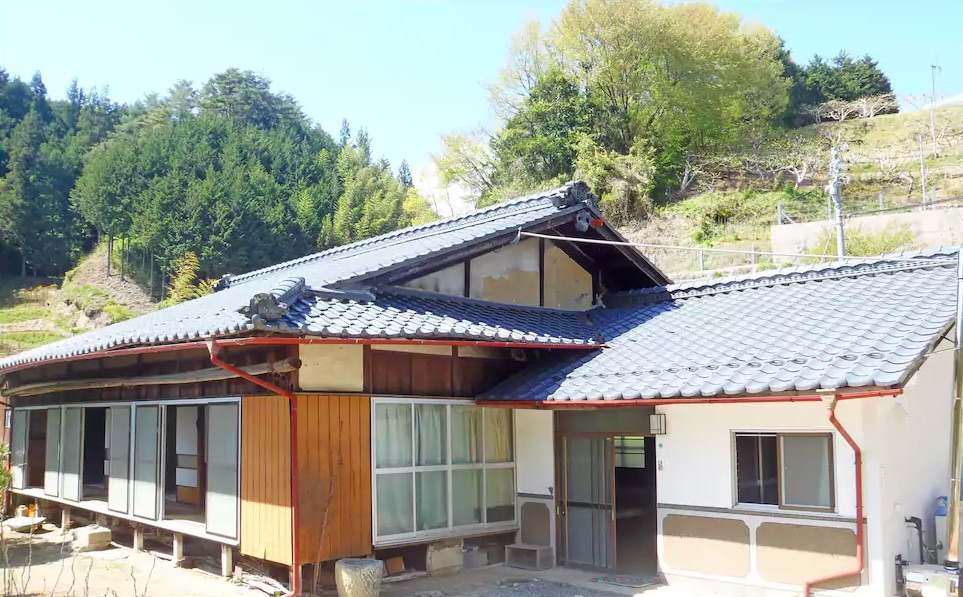
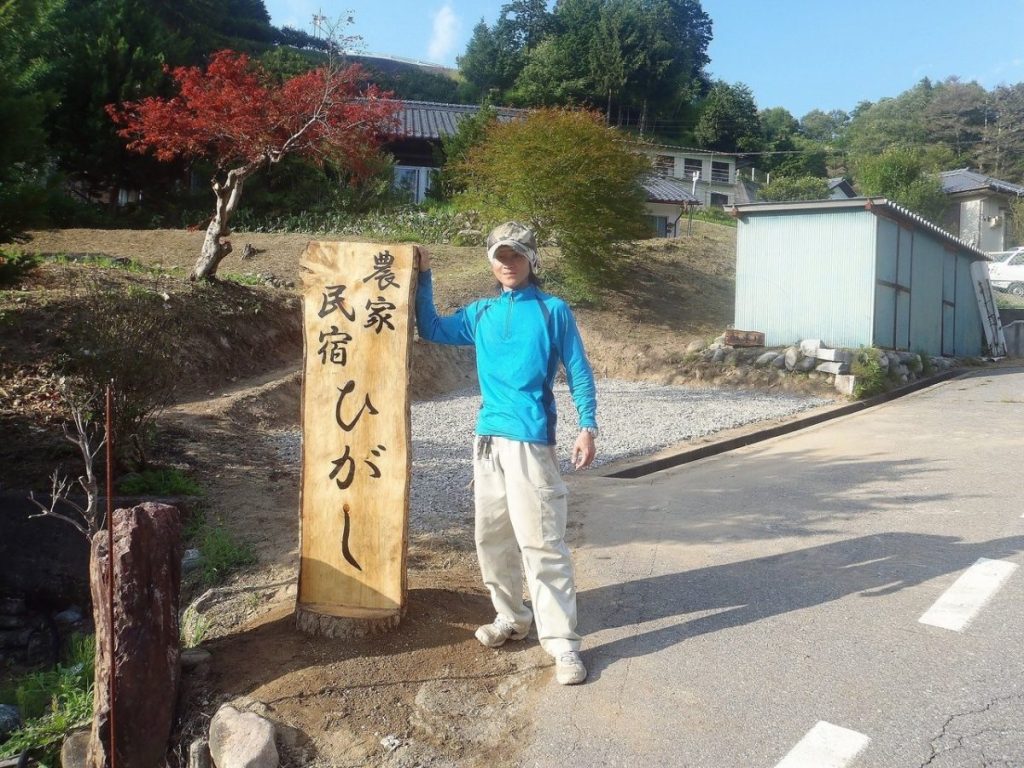
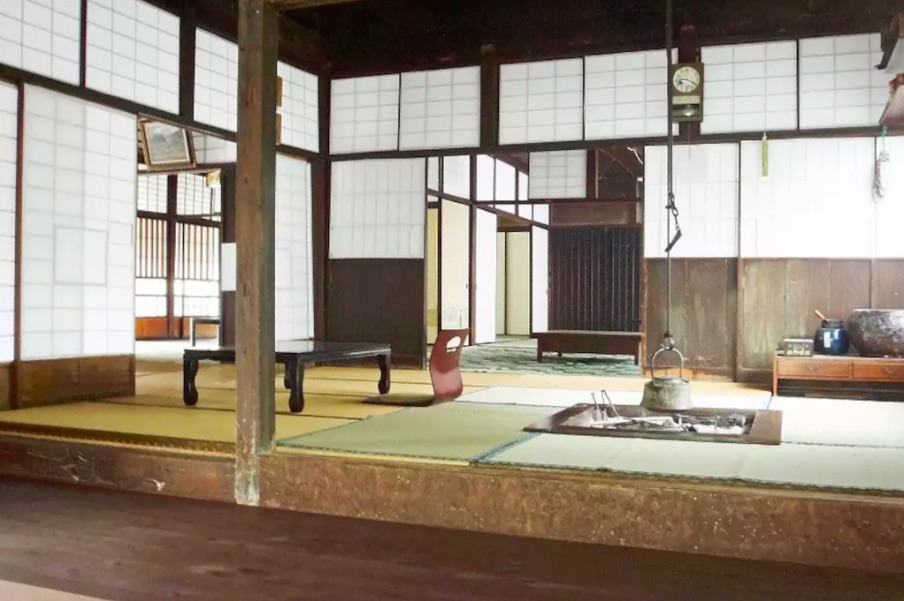
Deep in the mountains of southern Nagano, this is a whole-house rental in a traditional Japanese farmhouse more than 100 years old. Owner Hiroaki Mibu got his hunting license in 2015, and in 2020 he set up the Inadani Gibier Center, a meat processing facility, right on the property.
What prompted him was the fact that most of the deer caught in the area were simply being thrown away. At first he collected deer caught in traps around the village and butchered them himself, but the numbers kept growing (as reported by the Japanese wild game media outlet Gibierto). At dinner around the hearth, you will be served venison dishes made from deer caught in the nearby mountains.
And if a deer happens to be caught during your stay, you can watch it being butchered. Since catches cannot be planned, this cannot be booked in advance, but it is a rare opportunity to feel how precious it is to receive a life from an animal.
▶︎ Type of stay: Entire house, up to 10 guests
▶︎ Deer butchering demonstration: Free, only when a deer happens to be caught during your stay (cannot be reserved, as catches cannot be planned)
▶︎ Other experiences: Mushroom foraging, mountain stream fishing, bracken picking, cooking rice in bamboo, grilling river fish over the hearth, and more
▶︎ Meals: Dinner and breakfast included. Venison dishes and river fish grilled over the hearth
▶︎ Access: About 30 minutes by car from Matsukawa IC or Iida IC on the Chuo Expressway. About 12 minutes by car from Ichida Station on the JR Iida Line (pick-up available from the nearest station if you arrive by highway bus or train)
AYANO FARM — Shiiba, Miyazaki
— Learn the Value of Life by Preparing a Bird in Shiiba, One of Japan’s Three Great Hidden Regions
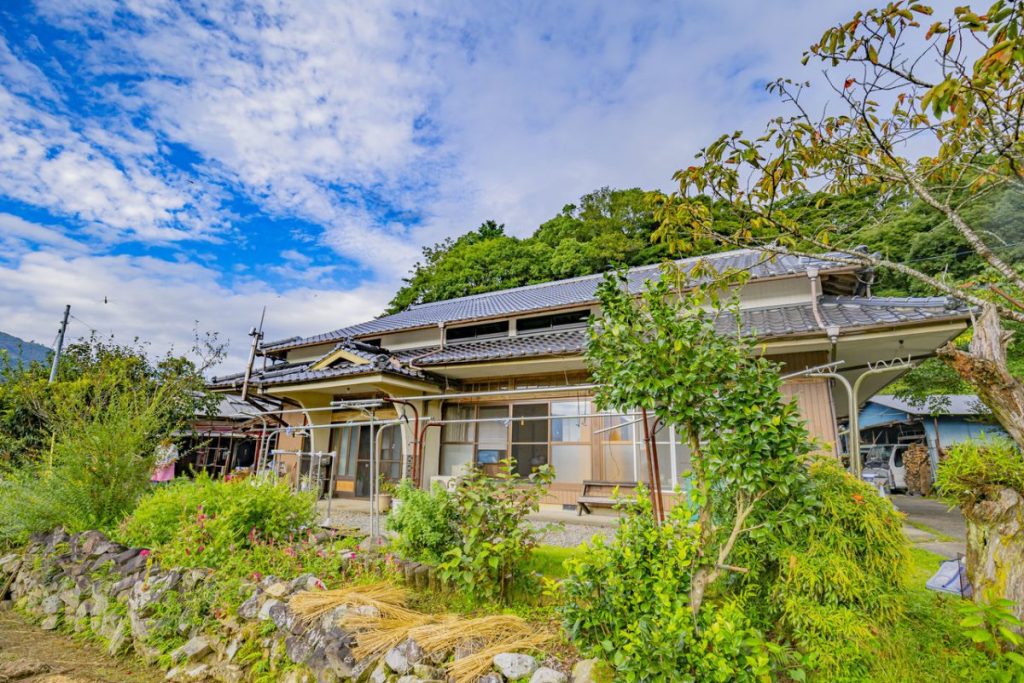
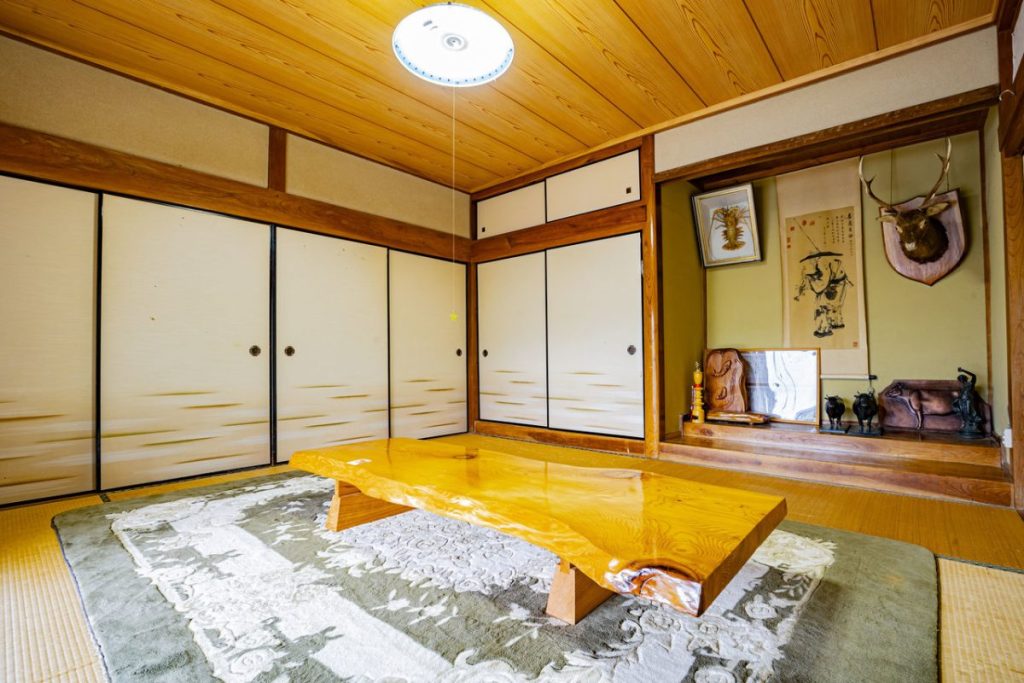
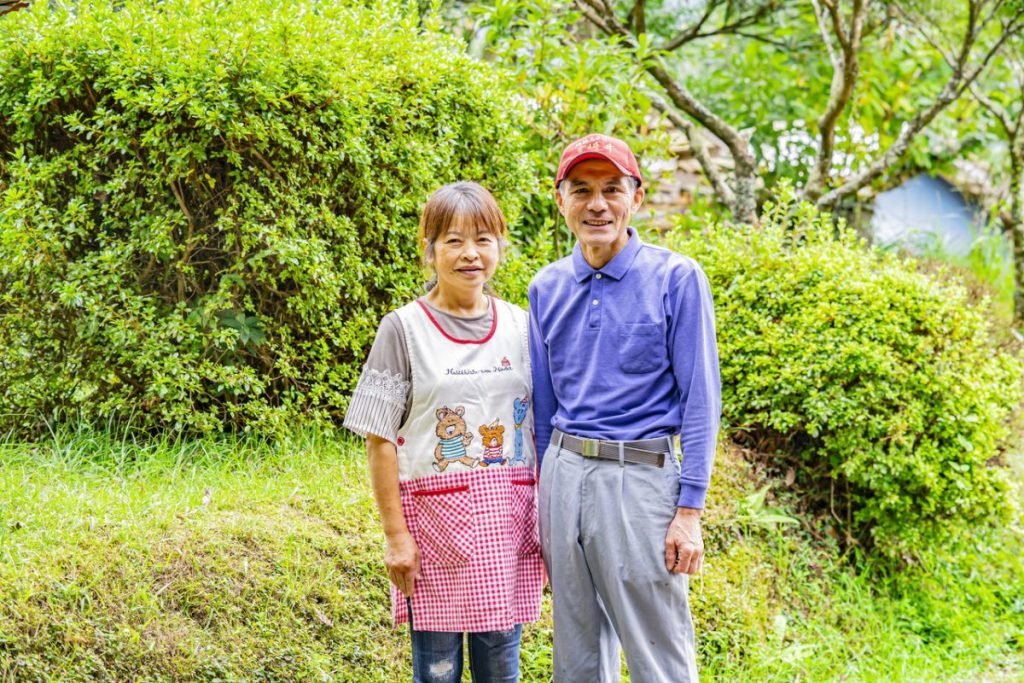
About 96% of Shiiba Village is forest, and it is known as one of Japan’s three great hidden regions. This farm stay sits in the mountains, more than 500 meters from the nearest neighbor, and the hosts live alongside lots of animals, including dogs, cats, cows, goats, and ponies.
In the bird butchering experience, billed as a way to “learn the value of life,” you prepare with your own hands the chicken you normally eat without a second thought. Dinner features wild venison and boar, Shiiba beef, and river fish such as yamame trout. Shiiba is a place where hunting deer and wild boar with dogs is still very much alive. Why not experience a way of life sustained by the gifts of the mountains, right at the dinner table?
▶︎ Type of stay: Homestay, up to 7 guests
▶︎ Butchering experience: Bird butchering (separate fee; please inquire when booking)
▶︎ Other experiences: Pony riding, beetle and stag beetle hunting (summer only), shiitake mushroom picking, vegetable harvesting, and more
▶︎ Meals: Dinner and breakfast included (partly cooked together with the hosts). Wild venison and boar, Shiiba beef, river fish, and homegrown vegetables
▶︎ Access: About 150 minutes by car from Kumamoto Airport, about 100 minutes by car from Kumamoto Station. Pick-up available from the Shiiba Village Office (call on arrival)
3. Listening to the Matagi: Mountain Culture Shaped by Living with Bears
The Matagi carry one of the oldest traditions of hunting in Japan. At these two stays in northern Japan, you can hear it in their own words.
Ryogetsusha Farm — Kitaakita, Akita
— Hear Stories of the Mountains and Animals from a Working Matagi in Ani, Home of the Matagi
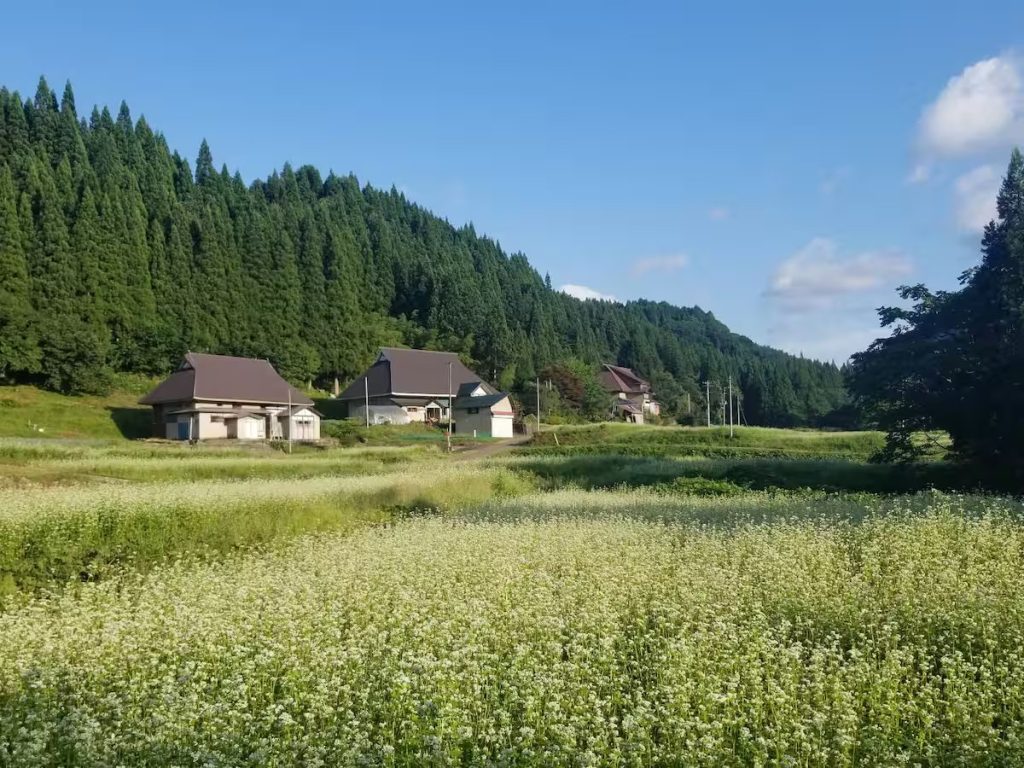
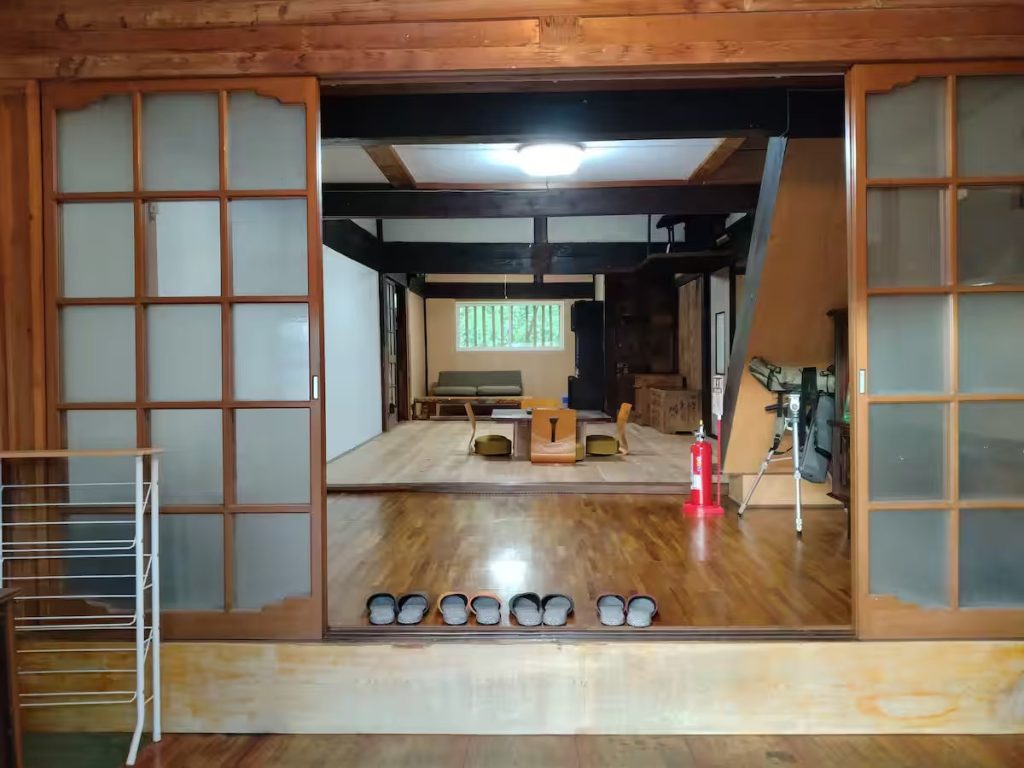
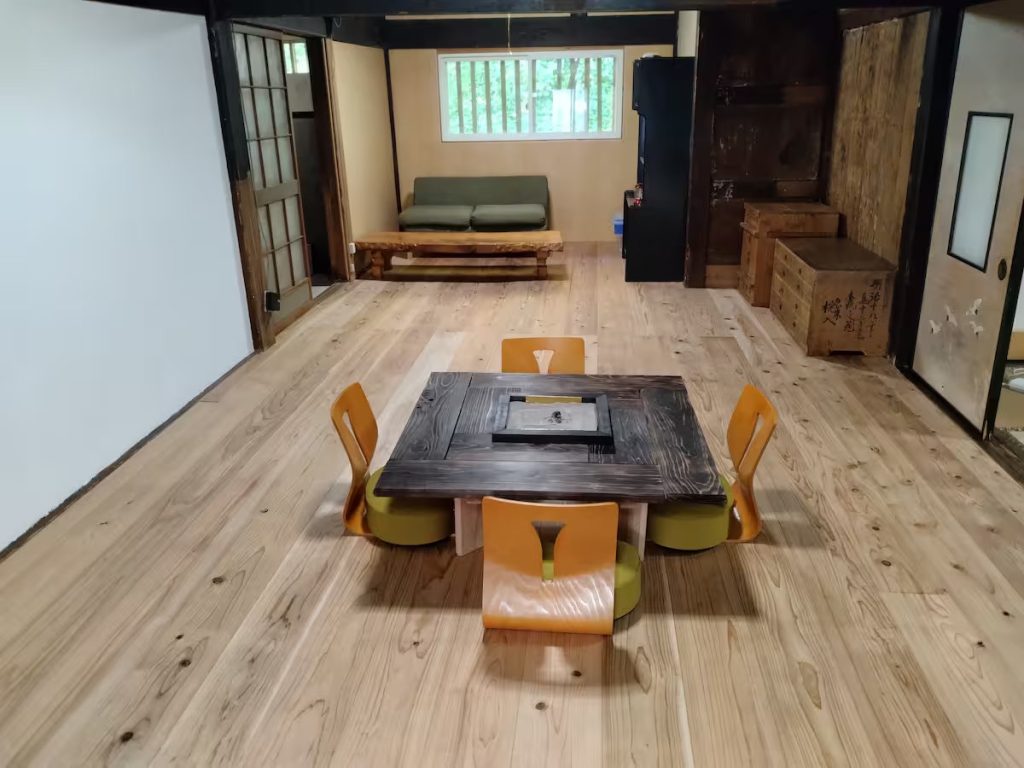
Ani, in Akita Prefecture, is known as the home of the Matagi. Deep in the mountains, in a spot even locals rarely visit, the hosts restored a 120-year-old kominka with their own hands and turned it into a farm stay that welcomes just one group per day.
Host Nozomi Kimura moved to Ani out of admiration for Matagi culture, and now runs the farm while working as a Matagi himself. With the optional “Matagi Talk,” you can take your time listening to stories about animals and hunting that only a working Matagi can tell. The mountain wisdom of people who have long lived alongside bears may also offer clues for thinking about the changes happening across Japan today.
By day, enjoy SUP and kayaking on the lake; by night, stargazing. This is a stay for travelers who want to savor mountain life as it is, rather than seek comfort.
▶︎ Type of stay: Kominka (one group per day), up to 4 guests
▶︎ Matagi experiences: Matagi Talk, countryside walks (optional)
▶︎ Other experiences: Kayaking and SUP, tent sauna, stargazing
▶︎ Meals: Dinner and breakfast, dinner only, or breakfast only can be added as options
▶︎ Access: About 10 minutes by car from Kobuchi Station on the Akita Nairiku Jukan Railway
Kumagera No Ie — Ajigasawa, Aomori
— Matagi Stories and Shirakami Bear Hot Pot in a Wooden Schoolhouse at the Foot of the Shirakami Mountains
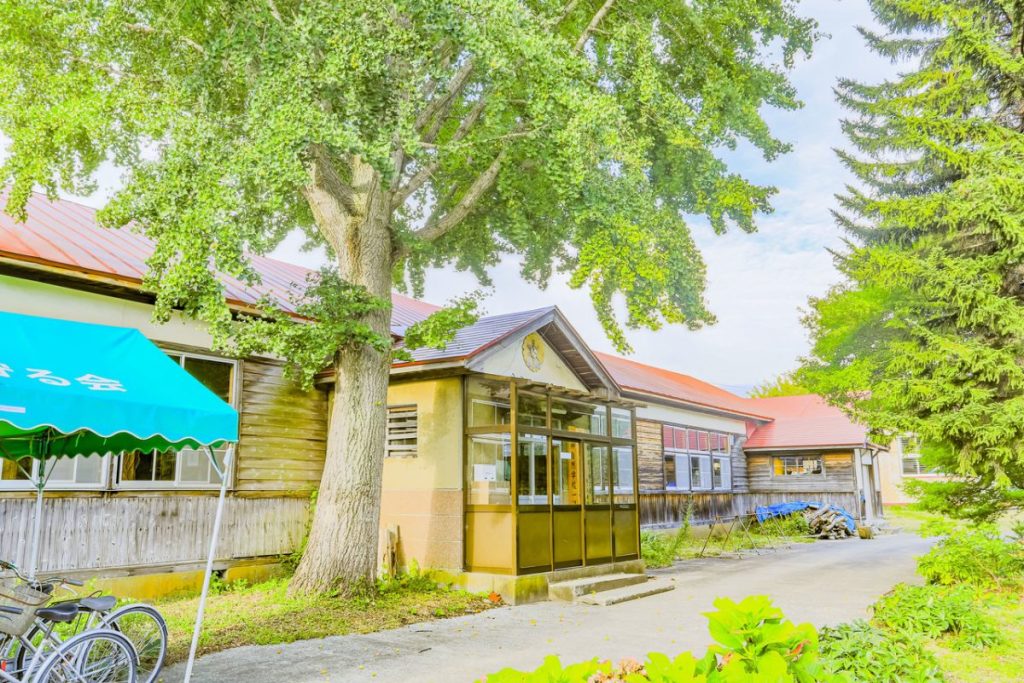
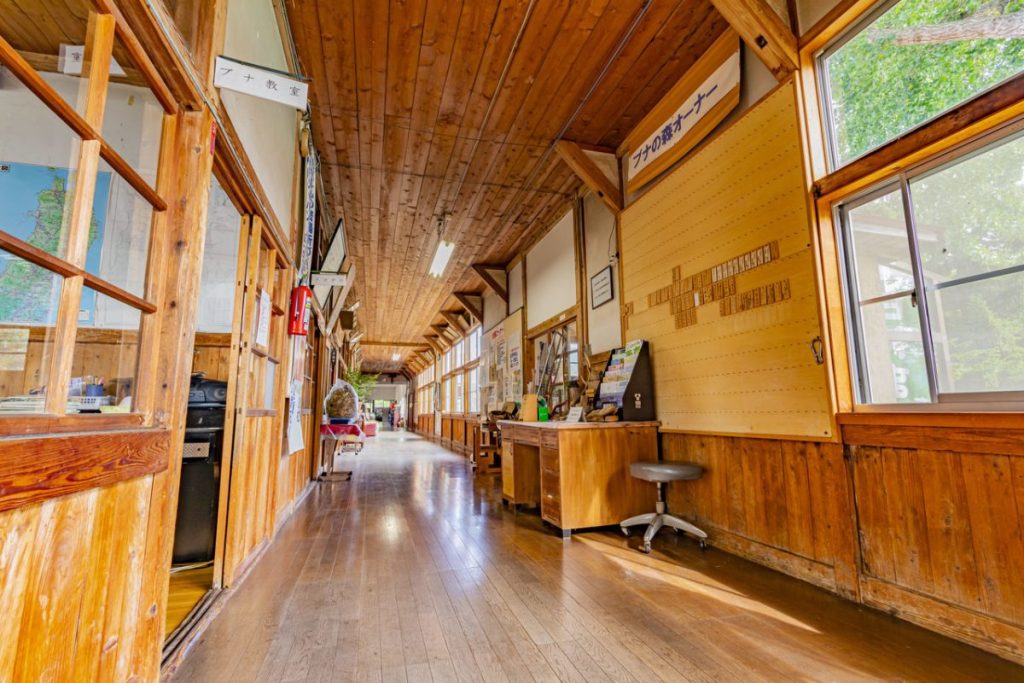
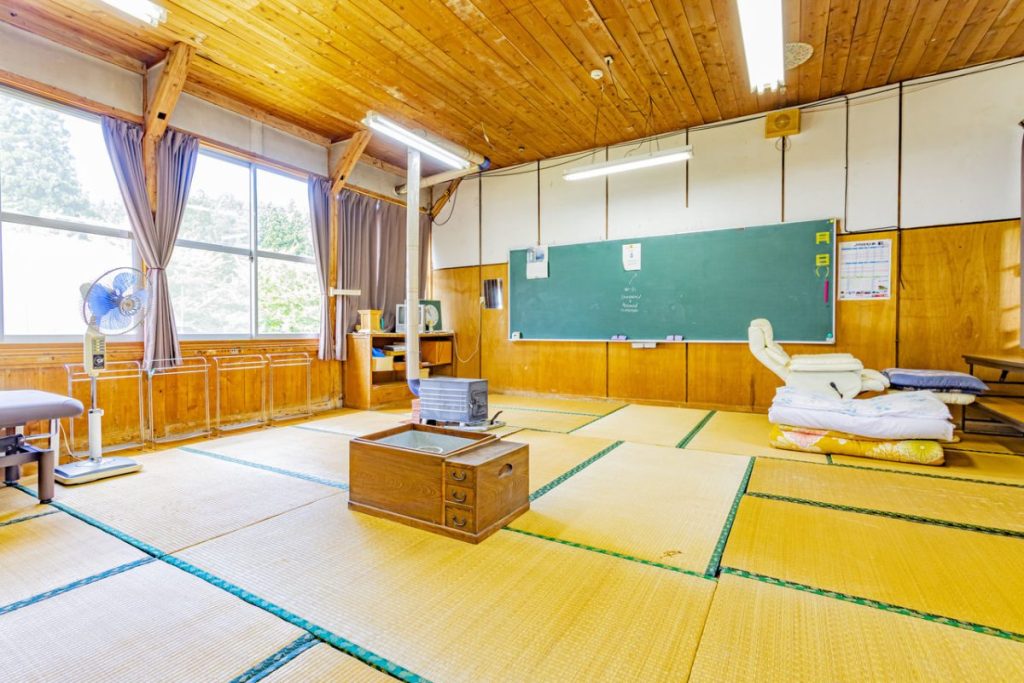
This stay makes use of the wooden schoolhouse of the former Hitotsumori Elementary School in Ajigasawa, which was in use until 2003. Located at the foot of the Shirakami Mountains, a UNESCO World Heritage Site, it offers talks in the classroom about the history and plant life of the Shirakami Mountains and about the Matagi (hunters).
The special Shirakami “bear hot pot” is available by advance request only, giving you a taste of the food culture of people who have long lived with the mountains. Guided walks through the beech forests on the Shirakami Yusando trail and trekking along old roads that trace the history of the Tsugaru region are also available. There is also a private guesthouse converted from the former principal’s residence, making it a good fit for group stays too.
▶︎ Type of stay: Homestay (large room in the main school building), up to 8 guests / private guesthouse up to 5 guests
▶︎ Matagi experience: Talks on the history and plant life of the Shirakami Mountains and on the Matagi
▶︎ Other experiences: Guided walks on the Shirakami Yusando trail, guided old-road trekking (Friday to Sunday only), aromatherapy treatment with kuromoji (Japanese spicebush)
▶︎ Meals: Room only as standard. Local cuisine from the farm restaurant “Shirakami” can be added. Bear hot pot is market price and requires advance request (may be unavailable depending on season and timing)
▶︎ Access: About 30 minutes by car from Ajigasawa Station on the JR Gono Line (pick-up available). About 70 minutes by car from Aomori Airport
Summary: Experience Hunting in Japan with Local Hosts
We have introduced 7 stays where you can experience hunting in Japan. Morning walks in the mountains to check the traps, the quiet that falls over a butchering, the animal stories told by a Matagi: all of these show you a side of the mountains you will never see through a screen.
With the season for hunting in Japan starting in November, now is the perfect time to start planning. Check availability at the stays that catch your eye, and ask the hosts about the dates their experiences are held.


