Japan has always rewarded the solo traveler. There is a particular freedom in moving through a country on your own schedule — stepping off an express train in an unfamiliar prefecture, walking toward a farmhouse in the mountains, and being welcomed by a host who had never met you before and somehow makes you feel immediately at home.
Solo travel in Japan is experiencing a renaissance. Search interest in “solo travel Japan” has surged across all major markets, and the rise of slow travel — spending more time in fewer places — has made rural Japan’s traditional homestays and countryside stays more relevant than ever. Whether you’re a first-time solo traveler building confidence, a remote worker seeking a scenic workspace, or an experienced adventurer wanting to go deeper into the Japan that guide books barely touch, the right accommodation makes all the difference.
STAY JAPAN specializes in exactly this kind of stay: certified rural and agricultural properties — from family-run farmhouses and 180-year-old mountain retreats to entire samurai-era kominka — across Japan’s countryside. In this guide, we highlight five exceptional solo travel Japan picks on STAY JAPAN for 2026, each offering a distinct experience for the independent adventurer.
Why Choose Rural Japan for Solo Travel?
Solo travel and rural Japan are a surprisingly natural pairing. Here’s why more independent travelers are choosing Japan’s countryside over its cities:
Genuine human connection: In Japan’s cities, solo travelers can feel invisible. In the countryside, you are a guest in someone’s community. Hosts at rural stays — farmers, artisans, former samurai-district residents — often go out of their way to create meaningful interactions. Many guests report that conversations with their host become the highlight of their trip.
Affordable solo travel: Rural Japan offers exceptional value. Many STAY JAPAN properties can accommodate one person, and costs per night are often far lower than comparable experiences in Tokyo or Kyoto. Moreover, having access to a kitchen means you can manage food costs on your own terms.
Safe, welcoming environment: Japan consistently ranks among the world’s safest destinations for solo travelers, including women traveling alone. Rural communities offer an additional layer of quiet security — local hosts often know their guests by name within hours of arrival.
Slow travel at its finest: Rural stays encourage you to slow down. There is no agenda beyond the seasonal rhythm of the farm, the hike you planned for tomorrow, or the onsen waiting at the end of the trail. This unhurried pace is difficult to find in urban Japan and deeply restorative for solo travelers.
Unique, off-itinerary experiences: Many of the properties in this guide sit in regions that most tourists never visit — mountain villages above the cloud line, centuries-old samurai towns in Tohoku, GIAHS-designated agricultural landscapes in Shikoku. For solo travelers who have already done Kyoto and Tokyo, rural Japan is the next frontier.
What Makes STAY JAPAN the Right Platform for Solo Travelers?
STAY JAPAN is Japan’s leading marketplace for rural and agricultural stays, and its properties are inherently well-suited to the solo traveler.
- Host presence and communication: Unlike anonymous rentals, STAY JAPAN hosts are actively involved — many live on-site or next door. For solo travelers, this means support and local knowledge without the need for a tour guide.
- English-supported listings: All properties in this guide are listed on en.stayjapan.com with English descriptions and international booking. Communication barriers are minimized.
- Certified agricultural stays (避橘水 / nouhaku): Many properties are officially certified rural accommodation, meeting quality standards set by Japan’s Ministry of Agriculture.
- Flexible stays: Most STAY JAPAN properties accept single-night bookings, giving solo travelers the flexibility to move on when ready.
- Transparent reviews: With genuine guest reviews, solo travelers can verify host responsiveness, safety, and atmosphere before booking. Explore STAY JAPAN’s farm stay and rural accommodation collection to find your perfect solo retreat.
Our Top 5 Solo Travel Japan Picks
1. Enishi — Samurai Residence with Akita Dogs (Akita)
Check Availability & Prices on STAY JAPAN →
📍 Senboku City, Akita Prefecture | 👥 Up to 4 guests
Check Availability & Prices on STAY JAPAN →
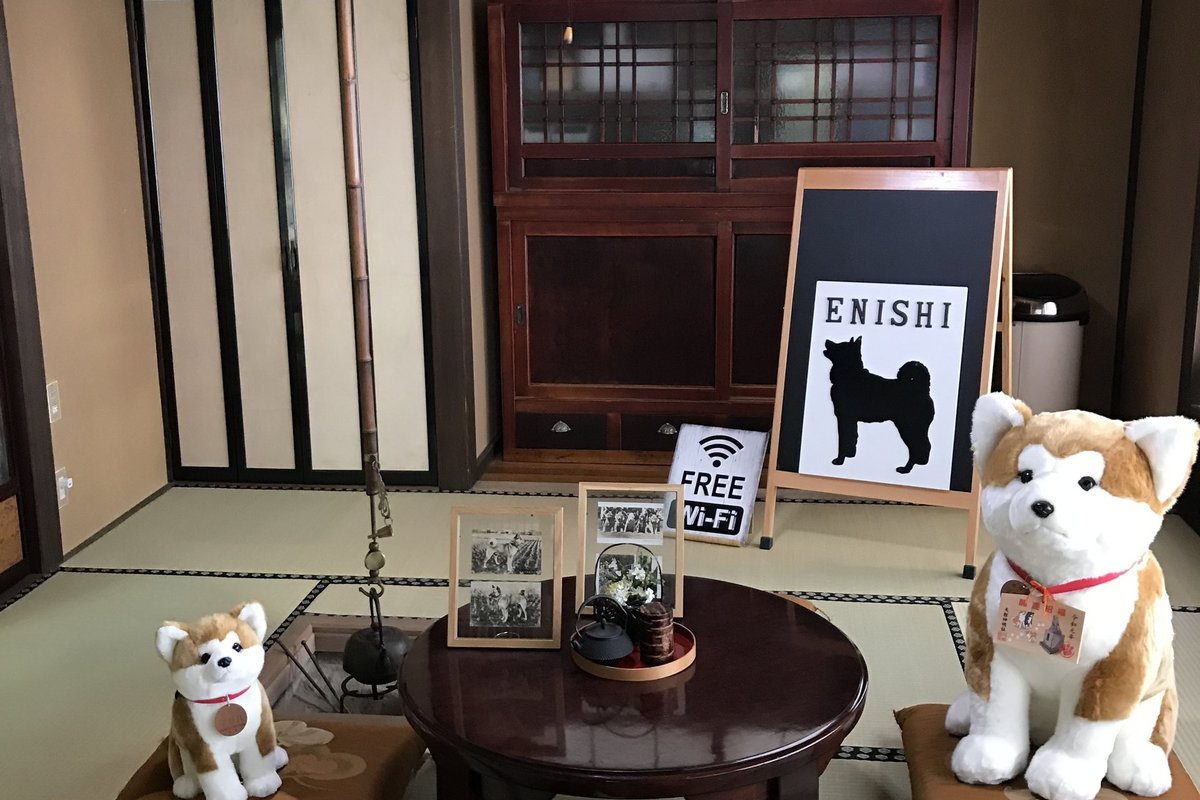
There are few experiences in rural Japan that rival the moment you walk through the gate of Enishi — a beautifully preserved samurai-era residence on the famous Bukeyashiki (武家屋敏) samurai street of Kakunodate — and are greeted by two bounding Akita dogs named Su-chan and Fujiko. This alone transforms a solo trip from solitary to joyful.
Enishi (縃), meaning fate or connection in Japanese, lives up to its name. With 82 guest reviews averaging a 4.94 rating, it is one of the most-loved properties on STAY JAPAN. The property is a 50-year-old renovated traditional residence with tatami rooms, shared kitchen, and a maximum of four guests — intimate enough that solo travelers often end up sharing an evening conversation with other travelers or the host. Kakunodate Station, a stop on the Akita Shinkansen line, is a scenic 15-minute walk or a quick 5-minute taxi ride away, making this one of the most accessible Tohoku solo stops. While the rooms embracing traditional layouts offer an open, communal feel (some with classic sliding doors), the absolute warmth of the host and the village makes it exceptionally safe for solo female adventurers.
For solo travelers, Enishi provides the perfect antidote to isolation. The dogs are natural conversation starters, the samurai street is endlessly walkable, and summer brings lush greenery to the cedar forests surrounding the town. The nearby Lake Tazawa — Japan’s deepest lake at 423 metres — offers solo hiking and kayaking within easy distance.
- Best for: First-time solo travelers, solo female travelers seeking warmth and safety, animal lovers, culture enthusiasts
- Summer highlight: Firefly season along the riverside; Kakunodate summer foliage; Lake Tazawa kayaking
2. Farm Stay Yuzu-no-sato Izumi (Tokushima, Shikoku)
Check Availability & Prices on STAY JAPAN →
📍 Mima City, Tokushima Prefecture | 👥 Up to 8 guests
Check Availability & Prices on STAY JAPAN →
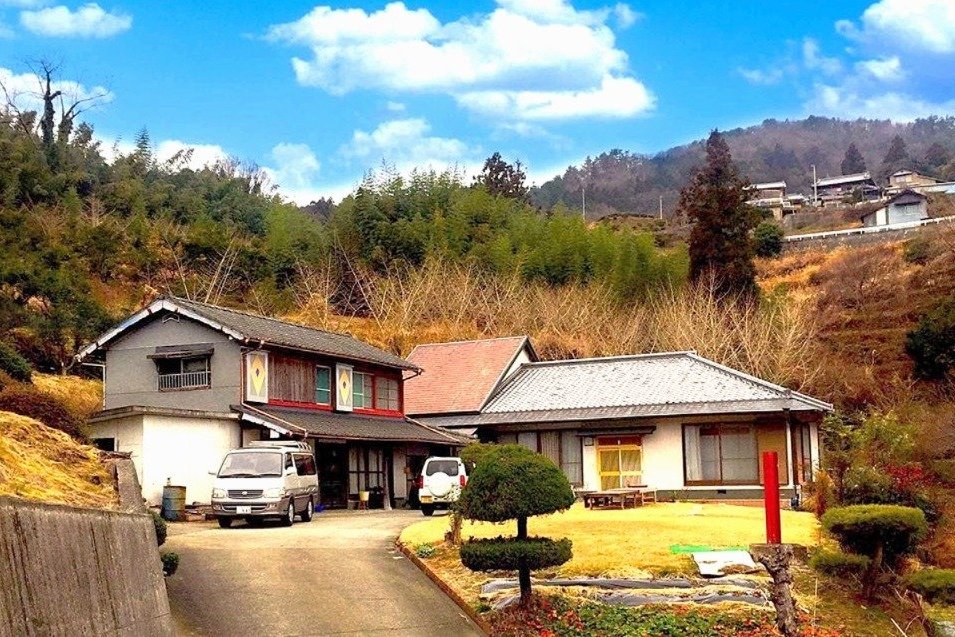
Solo travel, at its best, means being absorbed into someone else’s world for a few days. Yuzu-no-sato Izumi offers exactly this: a homestay-style farmstay where you live under the same roof as the host family in a mountain village in Tokushima Prefecture with “no traffic lights, convenience stores, or noise” — only seasonal crops, the smell of yuzu citrus, and skies luminous with stars.
The farm sits in Kuchiyama, a valley community in the mountains of Mima City accessible from JR Anabuki Station (host pickup available). The host family specializes in yuzu and chestnut cultivation, and depending on the season, guests can join the harvest or simply enjoy the rhythms of mountain farming life. Meals — optional, but highly recommended — are built around local Tokushima ingredients and served beside a traditional irori (図浴豋) sunken hearth, one of the most atmospheric dining settings in rural Japan. With 16 reviews and a 4.88 rating, guests consistently praise the host’s genuine warmth.
For solo travelers specifically, the homestay format is ideal: you’re never truly alone, but you’re entirely free. Waking to mountain air and sitting down to a home-cooked breakfast prepared by a family who has lived this land for generations is a very particular kind of travel luxury. For more Shikoku rural options, read our guide to Shikoku’s off-the-beaten-path rural accommodation.
- Best for: Solo travelers seeking genuine host connection, solo female travelers, culinary and farm enthusiasts, introverts who prefer structured social time (meals) with freedom in between
- Summer highlight: Mountain vegetable harvesting; irori evening meals; night sky stargazing with zero light pollution
3. Relashanti (Mie)
Check Availability & Prices on STAY JAPAN →
📍 Matsusaka City, Mie Prefecture | 👥 Up to 5 guests
Check Availability & Prices on STAY JAPAN →
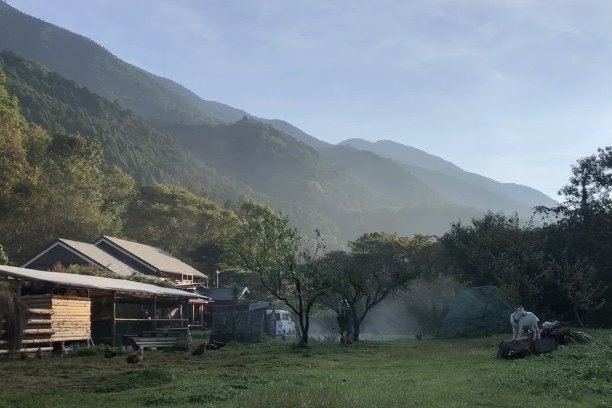
If you are looking for a solo travel Japan experience that strips away modern life entirely, Relashanti — a 180-year-old renovated traditional farmhouse on the mountain border of Mie and Nara Prefectures — may be the most immersive option in this guide. With 24 reviews and a perfect 5.0 rating, Relashanti has the highest guest score of any property we’ve featured.
The property is surrounded by mountains and a clear mountain stream, with on-site animals — cats, chickens, goats, and dogs — creating a lively communal atmosphere. Activities include forest bathing, bird watching, mountain hiking, and remarkable hands-on experiences: bread baking, organic konnyaku making, plant dyeing, and amago (mountain trout) grilling over an open fire. Moreover, the wood-fired bath experience is something few solo travelers encounter outside Japan’s most remote inns.
Specifically, Relashanti suits solo adventurers who want to disconnect fully. The property is 2.5 hours from Osaka or Nagoya (expressway), with a host pickup service from Matsusaka Station — the journey itself is part of the experience, as the road climbs into increasingly wild mountain terrain. For solo travelers who have been circulating through Japan’s well-worn tourist circuit, this is how rural Japan is supposed to feel. For context on agricultural stays like this, see our complete guide to nouhaku stays in Japan.
- Best for: Adventurous solo travelers, nature seekers, digital detox seekers, solo travelers comfortable with off-grid settings
- Summer highlight: Open-fire mountain trout grilling; early morning forest bathing in cool mountain air; stargazing above the valley
4. Acorn Garden — Miyagi Zao (Miyagi)
Check Availability & Prices on STAY JAPAN →
📍 Katta County, Miyagi Prefecture | 👥 Up to 6 guests
Check Availability & Prices on STAY JAPAN →
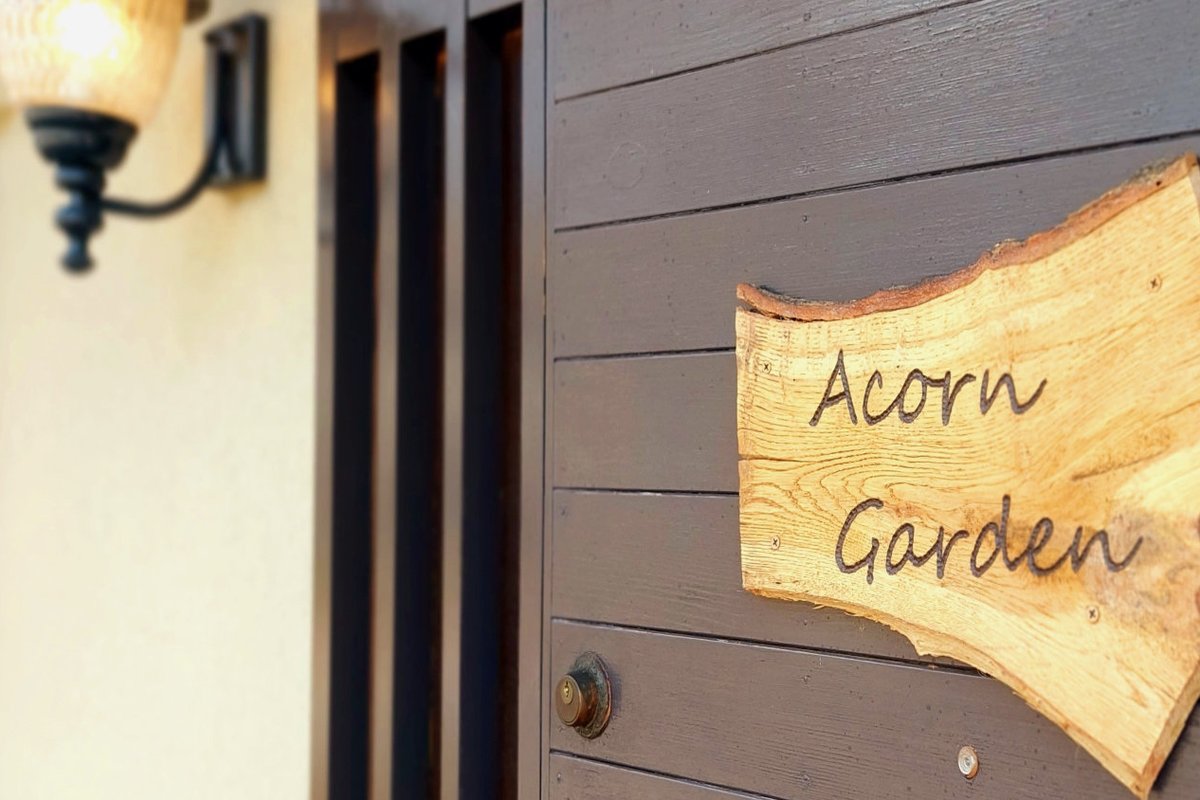
The rise of solo travel in Japan has coincided with the rise of remote work — and Acorn Garden, a private cottage in the Zao Sansuien resort complex in Miyagi Prefecture, is one of the few STAY JAPAN properties that explicitly caters to both. With 41 reviews and free high-speed Wi-Fi described as “optimized for remote work,” Acorn Garden has become a quiet favourite among solo digital nomads seeking a natural workspace outside of Japan’s cities.
Set against the forested slopes of Zao mountain, the cottage offers views of cedar ridges and seasonal wildflowers from its windows. Additionally, the Togatta Onsen (listed as Tokarita Onsen on STAY JAPAN) hot spring resort is accessible nearby, providing the kind of post-work relaxation that city coworking spaces cannot. Furthermore, Shiraishi-Zao Shinkansen Station is 30 minutes by taxi, connecting Acorn Garden to the national rail network — making it realistic as a mid-journey workation base during a longer Japan trip.
For solo travelers who aren’t remote workers, Acorn Garden’s appeal lies in its peaceful seclusion. In summer, the Zao mountain range offers hiking trails with meadow views; in any season, the milky-blue Zao hot spring pools — known as “Okama” — are among the most visually striking natural phenomena in Tohoku. In particular, solo travelers who want to feel fully embedded in Japan’s outdoors without giving up connectivity will find Acorn Garden a rare balance.
- Best for: Solo digital nomads and remote workers, nature-focused solo travelers, solo onsen enthusiasts, introspective solo retreatants
- Summer highlight: Zao mountain hiking; nearby milky-blue “Okama” crater lake; evening hot spring access
5. Ooda Sanso Guest House (Kanagawa)
Check Availability & Prices on STAY JAPAN →
📍 Sagamihara City, Kanagawa Prefecture | 👥 Up to 25 guests
Check Availability & Prices on STAY JAPAN →
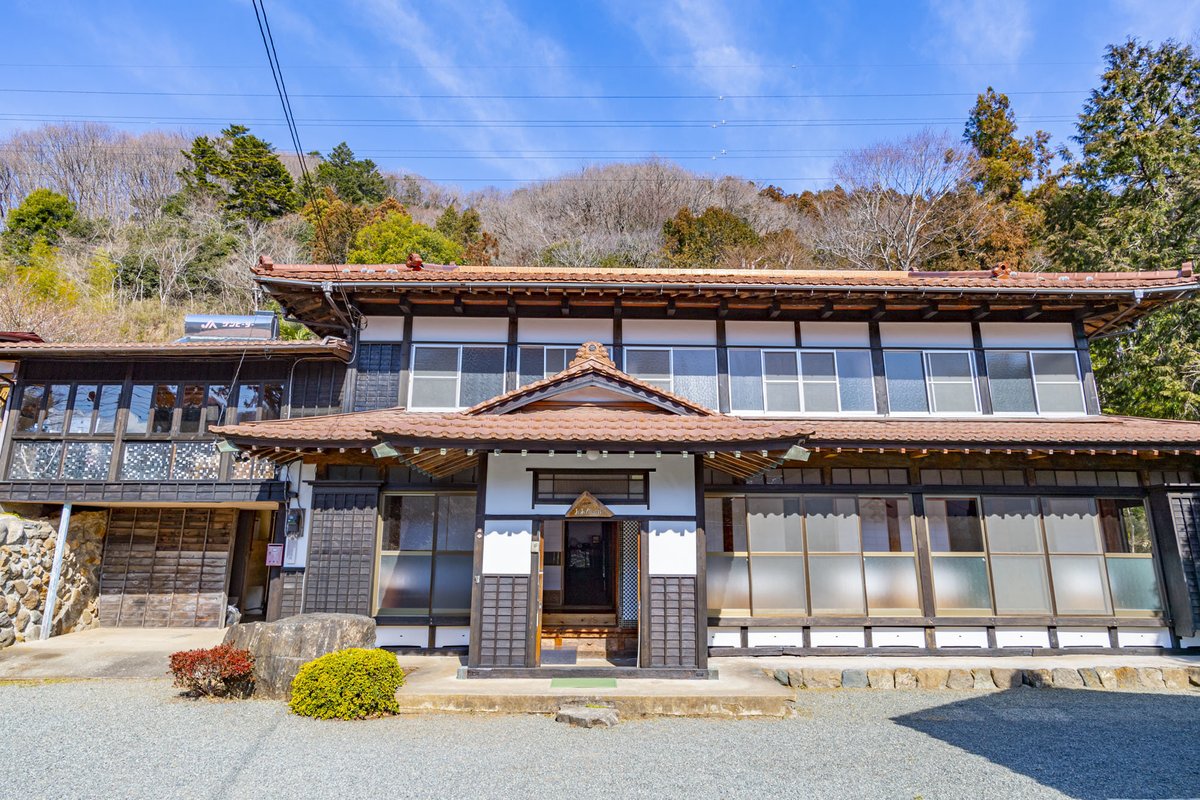
For solo travelers who want the extraordinary experience of having an entire traditional Japanese property to themselves, Ooda Sanso — a 120-year-old renovated kominka spanning 286 m² in Sagamihara, Kanagawa — delivers something genuinely unusual: the quiet sovereignty of an ancient house, on your own terms.
Ooda Sanso is the most accessible property in this guide. JR Fujino Station is a 10-minute taxi ride, with direct trains from Shinjuku (Tokyo) in under an hour — making it an exceptional choice for solo travelers arriving in Japan via Tokyo, or those who want a rural night before or after the capital. The property is set beside Lake Sagami, with mountain views, barbecue facilities, and a large communal hall spanning approximately 50 tatami mats. In addition, the surrounding area offers hiking trails, art spaces, and lakeside restaurants within easy reach.
However, what makes Ooda Sanso remarkable for solo travel is the experience of inhabiting a 120-year-old structure alone. There is something profoundly still about moving through a space this ancient by yourself — high wooden beams, tatami underfoot, mountain views through every window — with no shared schedule, no group dynamics, just you and a house that has witnessed more than a century of Japanese rural life. As a result, Ooda Sanso is particularly well-suited to solo travelers seeking a moment of genuine solitude and reflection. As a premium solo retreat — think of it as a personal investment in the kind of stillness that Tokyo or Kyoto simply cannot offer — Ooda Sanso attracts travelers who want to experience traditional Japan on a deeply personal scale, without compromise. For more inspiration on traditional Japanese architecture, explore our guide to kominka stays in Japan.
- Best for: Solo travelers who love solitude and space, solo female travelers wanting a private kominka experience, Tokyo-based solo escapes, architecture and heritage enthusiasts
- Summer highlight: Lake Sagami lakeside walks; firefly spotting in the surrounding forest; peaceful morning tea in the tatami hall
Tips for Solo Travel in Rural Japan
Here’s what experienced solo travelers recommend when booking a rural stay in Japan.
Start with the accessible option: If this is your first solo trip to Japan, choose a property close to a Shinkansen or major express station. Ooda Sanso (Kanagawa) and Enishi (Akita) both offer good train connections. Build confidence in rural navigation before venturing to more remote destinations like Relashanti or Yuzu-no-sato Izumi.
Use public transport where possible: Japan’s rural train network is extensive and reliable. Many STAY JAPAN hosts offer pickup from the nearest station — always confirm this at booking. Carrying a Suica card or IC card simplifies all train and bus travel significantly.
Book meals in advance if offered: Solo travelers at farm stays and homestays often have the option to include meals. Take it. Host-prepared meals are frequently the most memorable part of a rural Japan solo trip, and they provide a natural social anchor — especially for those traveling alone for the first time.
Arrive before dark: Rural properties can be difficult to navigate at night, especially on unmarked mountain roads. Plan to arrive in daylight wherever possible, and share your estimated arrival time with the host in advance.
Pack for all weathers: Rural Japan’s summers bring intense heat in the valleys and surprising coolness in the mountains. The Relashanti and Yuzu-no-sato Izumi properties sit above 600 metres — pack a light layer even in July and August.
Learn a few Japanese phrases: Even short phrases — yoroshiku onegaishimasu (please take care of me) and oishii (delicious) — go a long way in rural homestay settings and are consistently received with warmth. Most STAY JAPAN hosts communicate in basic English, but any effort in Japanese is deeply appreciated.
Frequently Asked Questions
Q: Is solo travel in rural Japan safe, especially for women?
A: Japan is one of the safest destinations in the world for solo travel, and rural areas are generally even calmer than cities. All STAY JAPAN properties in this guide are host-managed stays with active communication before and during your visit. However, women traveling solo are advised to read recent guest reviews carefully — many properties specifically mention female-friendly hosts, and review language often signals whether a host is particularly welcoming to solo female guests.
Q: Do I need to speak Japanese to book and stay?
A: No. All properties in this guide are listed on en.stayjapan.com with full English descriptions, and the booking process is available in English. Most STAY JAPAN hosts communicate in basic English. That said, bringing a translation app and learning a few phrases significantly enriches the rural homestay experience.
Q: What is nouhaku, and is it suitable for solo travelers?
A: Nouhaku (避橘水) refers to certified agricultural stays in rural Japan — farmhouses, mountain cottages, and countryside inns officially registered under Japan’s Ministry of Agriculture framework. They are very well-suited to solo travel because of the hands-on host involvement and small-group nature of the stays. For a full guide to the nouhaku experience, see Nouhaku Japan: The Complete Guide.
Q: Can I work remotely from these properties?
A: Acorn Garden (Miyagi) specifically offers high-speed Wi-Fi optimized for remote work. Ooda Sanso (Kanagawa) and Enishi (Akita) also have Wi-Fi. For Relashanti (Mie) and Yuzu-no-sato Izumi (Tokushima), connectivity is limited — these properties are better suited to a digital detox. Always confirm Wi-Fi availability with the host if remote work is essential.
Solo travel in Japan is one of the most rewarding travel experiences available anywhere in the world — and rural Japan, with its centuries-old farmhouses, living agricultural traditions, and hosts who welcome strangers with genuine warmth, is where that experience is at its finest. Browse all rural solo travel accommodation on STAY JAPAN and take the trip you’ve been planning.
Related Articles