If you’ve been researching authentic Japan travel, you’ve likely encountered the word kominka. But what exactly is a kominka — and why are travelers from around the world choosing these extraordinary homes over standard hotels and even traditional ryokan?
In short, a kominka (古民家, literally “old folk dwelling”) is a traditional Japanese farmhouse, merchant house, or rural dwelling — typically more than 50–100 years old — built using time-honored construction techniques. They feature thick earthen walls, hand-hewn wooden beams, and thatched or ceramic tile roofs. Many have an irori (sunken hearth) at the center of the main living area, designed not only to cook food but to warm the home and gather family in the evenings.
Staying in a kominka with STAY JAPAN isn’t just accommodation — it’s a journey into the living history of rural Japan. From the cedar-scented air to the creaking floorboards worn smooth by generations of bare feet, these homes offer an intimacy with Japanese culture that no hotel can replicate.
What Exactly Is a Kominka?
Kominka are traditional Japanese dwellings built using pre-modern construction methods. The word breaks down as follows: ko (古) means “old,” min (民) means “folk” or “people,” and ka (家) means “house.” Together, kominka describes the homes of ordinary Japanese people built before the modern era.
Most kominka date from the Edo period (1603–1868) through the early Showa era (1920s–1960s). What distinguishes them from ordinary old buildings is their construction method: natural materials like thick earthen plaster, locally sourced timber, bamboo, and straw. Roofs are traditionally thatched with miscanthus grass (kayabuki) or covered with heavy ceramic tiles (kawara).
Inside a typical kominka, you’ll find:
- Doma — An earthen-floor entrance area where farming tools were stored and food prepared
- Irori — A sunken charcoal hearth in the main living area, used for warmth and cooking
- Engawa — A wooden veranda connecting interior and garden
- Fusuma and shoji — Sliding paper and wood screens that define living spaces
- Tokonoma — A formal alcove for displaying seasonal flowers, calligraphy, or art
These architectural features weren’t decorative — they were practical solutions developed over centuries of Japanese rural life. The irori kept a family warm through harsh winters. The doma allowed dirty farming tools to be stored without muddying the living area. The engawa provided shade in summer and a transition between indoor and outdoor life.
The History of Kominka in Japan
Kominka have stood at the heart of Japanese rural life for centuries. During the Edo period, wealthy farming families (gono) built large, elaborate farmhouses that reflected both their prosperity and community standing. These homes were designed to function as workplaces as well as residences: grain was stored in attached storehouses (kura), silkworms were cultivated in upper loft spaces, and seasonal agricultural rhythms shaped every room.
By the late 20th century, Japan’s rapid urbanization left thousands of these extraordinary structures abandoned. Young people moved to cities, and traditional carpentry skills became rare. Many kominka fell into disrepair — until a remarkable cultural reversal began.
Today, architects, local governments, and passionate individuals are restoring kominka across Japan. Many have been transformed into unique accommodation, community cafes, galleries, and creative studios. Staying in a kominka isn’t just tourism — it’s participating in the preservation of Japan’s living architectural heritage. Furthermore, kominka restoration supports local economies in rural regions that face population decline.
Types of Kominka You Can Stay In
Not all kominka are the same. Here are the main types you’ll encounter when booking a traditional Japanese farmhouse stay:
Nōka (農家) — Farmhouses
The most common type. Built by farming families, these homes typically feature large doma entrances, elevated sleeping areas, and storage for agricultural tools. Expect functioning vegetable gardens, farm-fresh meals, and the chance to join seasonal farm activities.
Kayabuki (茅葺き) — Thatched Roof Houses
Arguably the most iconic kominka style. The thick thatched roof provides remarkable insulation, keeping homes cool in summer and warm in winter. Shirakawa-go in Gifu and Miyama in Kyoto are famous for their concentrations of kayabuki homes.
Gassho-zukuri (合掌造り) — Steep A-Frame Houses
Found primarily in the Shirakawa-go and Gokayama regions, these dramatic structures have steeply pitched roofs resembling hands pressed together in prayer (gasshō). The massive roof space was traditionally used for silkworm cultivation. Both areas are designated UNESCO World Heritage Sites.
Machiya (町家) — Merchant Townhouses
Long, narrow townhouses found in historic castle towns and commercial districts. Famous in Kyoto but present throughout Japan, machiya are characterized by their compact street frontage, inner courtyard gardens (tsuboniwa), and sophisticated interior design that reveals depth as you move through the home.
Bukeyashiki (武家屋敷) — Samurai Houses
The former residences of samurai class families, typically found within castle towns. More formal and restrained than farmhouses, with carefully designed gardens and traditional reception rooms. Kakunodate in Akita is among Japan’s finest surviving samurai districts.
Why Stay in a Kominka Instead of a Hotel or Ryokan?
Complete Privacy
Most kominka stays through STAY JAPAN are one-group-only rentals. You have the entire home to yourselves — no shared corridors, no lobby, no strangers at breakfast. The kominka is yours.
Living History
Staying in a kominka connects you to centuries of Japanese domestic life. You’ll sleep where generations before you slept, look out at the same mountains, and hear the same cicadas at dusk. However, unlike a museum, a kominka is a living, breathing space — warm, inhabited, and welcoming.
Authentic Local Experiences
Many kominka hosts offer farm activities, local cooking lessons, or introductions to traditional crafts. Specifically, you might find yourself planting rice, pressing sesame oil, or learning to make miso. This hands-on engagement with Japanese culture simply doesn’t exist in standard accommodation.
Unique Architecture and Sensory Experience
The materials, proportions, and craftsmanship of kominka are irreplaceable. Cedar pillars burnished by generations of hands, smoke-blackened beams above an irori, and the particular quality of light filtering through shoji screens — these sensory experiences define what it means to be inside a kominka.
Better Value for Groups and Families
One-group kominka rentals are often more economical than booking multiple hotel rooms. Many properties sleep 4–10 guests, and furthermore, the shared cooking facilities, private gardens, and communal spaces add significant value beyond what any hotel room can offer.
Our Top 7 Kominka Stays in Japan (2026)
We selected these properties for their authentic traditional architecture, outstanding guest reviews, and confirmed availability across the summer and autumn seasons. Each represents a different facet of Japan’s extraordinary kominka heritage.
Noboriya — Okayama Prefecture
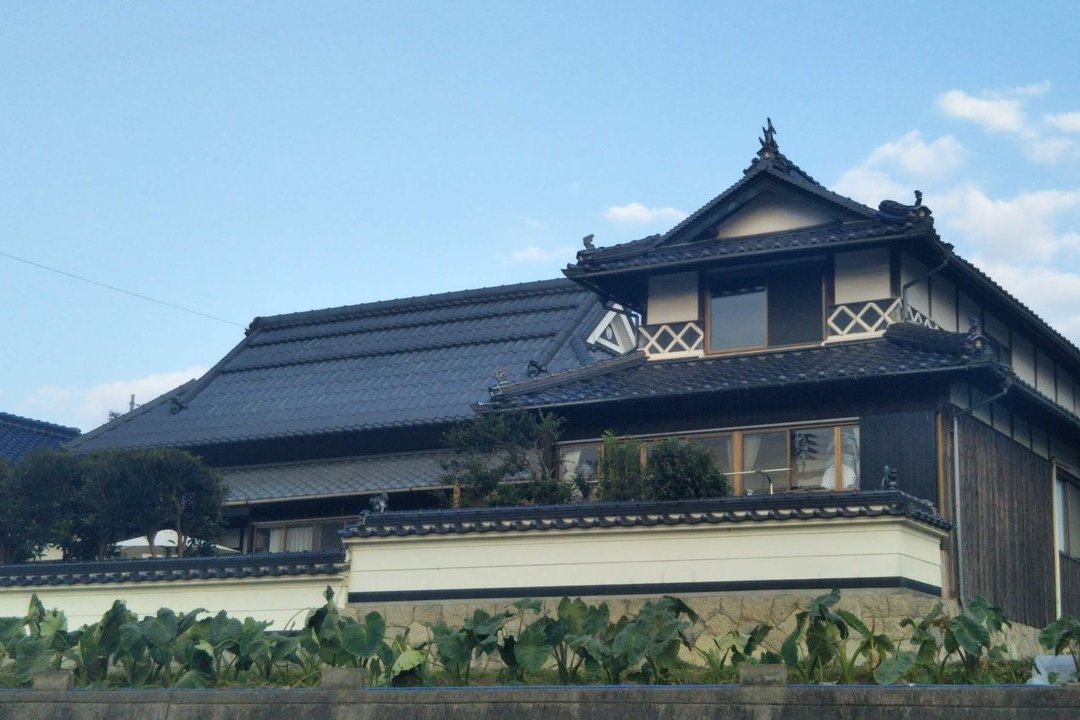
Step back into a 106-year-old merchant house in the heart of rural Okayama. Noboriya takes its name from the kite and carp-streamer workshop that once operated here — and that spirit of traditional craftsmanship lives in every beam and tatami mat. The centerpiece is the working irori (sunken hearth), used in winter for grilling oysters over live coals and cooking rice in an iron pot over an open flame. A resident Pyrenees dog adds a lively welcome to every arrival.
- Summer highlight: Countryside firefly walks; cool mountain evenings around the irori
- Best for: Couples and small families seeking deep rural immersion
- Location: Bizen area, Okayama — rural Chugoku region
- Reviews: ⭐ 4.88 (26 reviews) | Up to 5 guests
Hosetsukan Farmhouse — Akita Prefecture
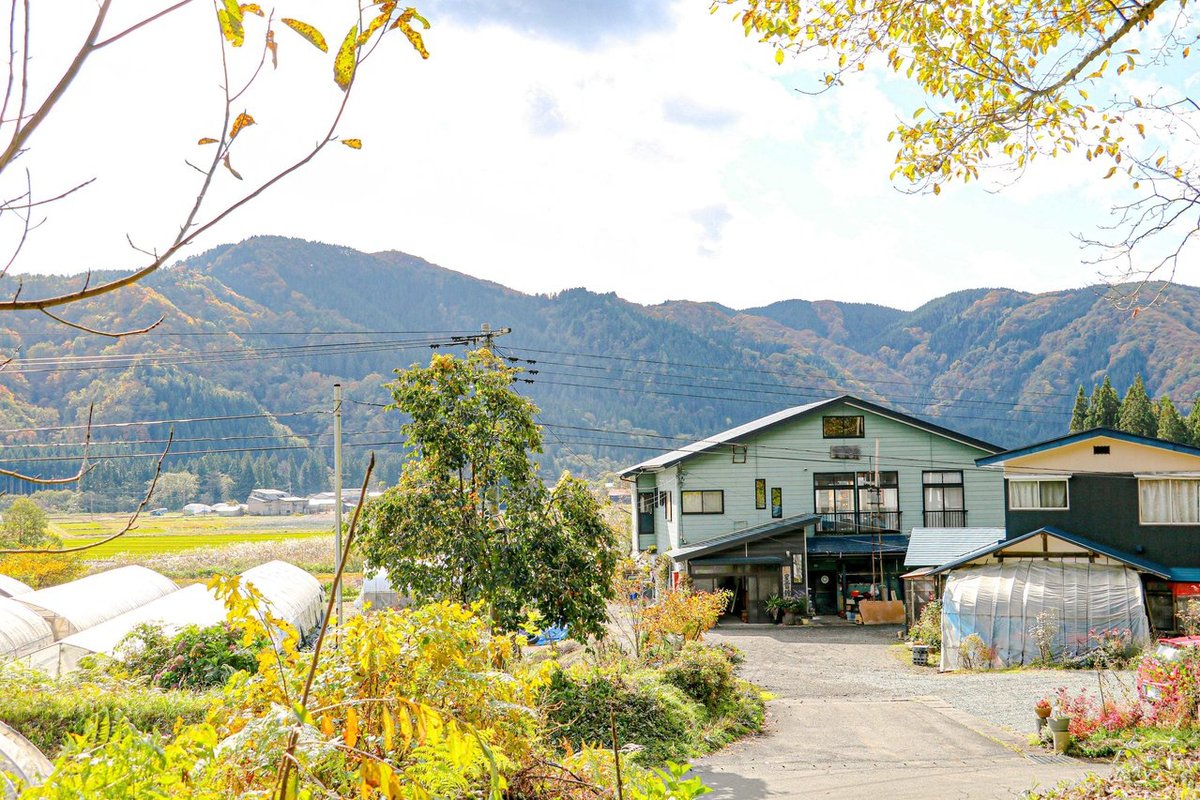
Nestled in Senboku City near Lake Tazawa — Japan’s deepest lake at 423 meters — this Tohoku farmhouse offers an intimate window into Akita rural life. The private annex (hanare) sleeps up to seven guests and is yours exclusively for the duration of your stay. Host-prepared farm meals featuring local Akita specialties can be arranged in advance, and the surrounding satoyama landscape transforms dramatically with each season — from snow-heavy winters to lush green summer valleys.
- Summer highlight: Tazawa-ko lake activities; satoyama nature walks
- Best for: Families and small groups looking for Tohoku immersion
- Location: Senboku City, Akita — near Lake Tazawa
- Reviews: ⭐ 4.92 (12 reviews) | Up to 7 guests
Oda Sanso Kominka — Kanagawa Prefecture
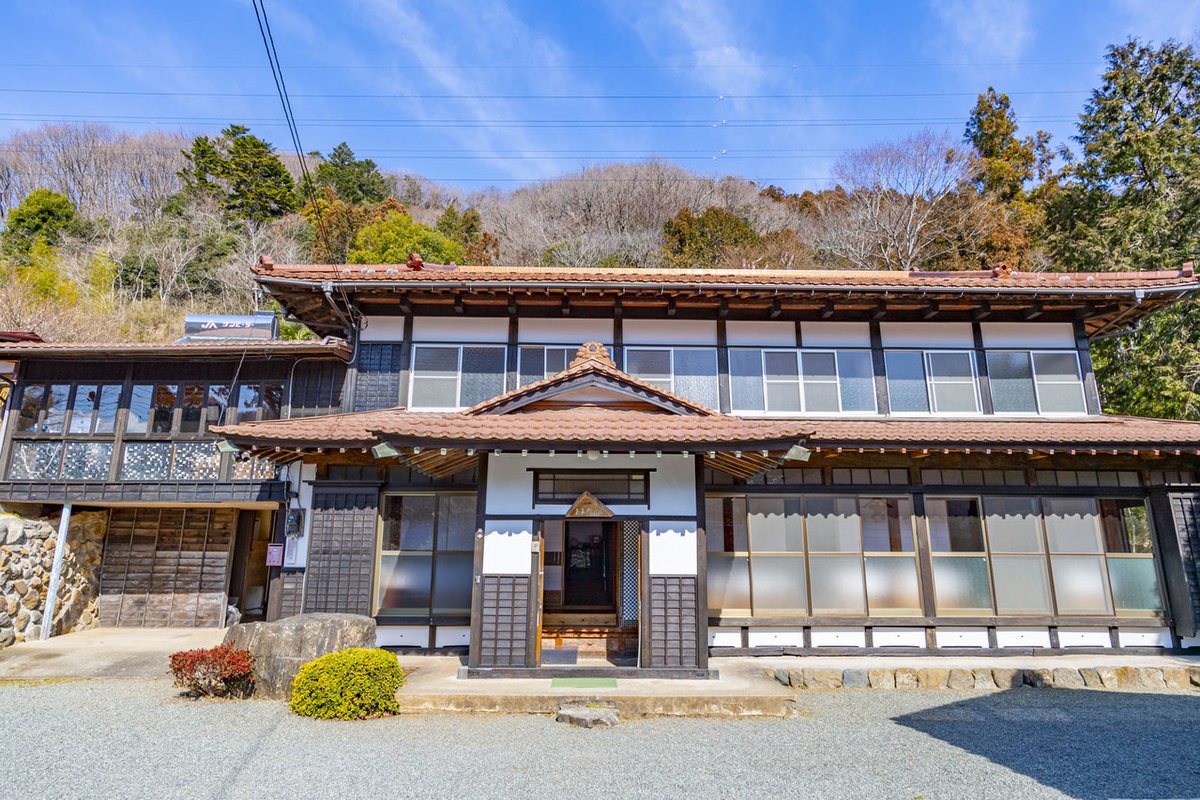
Just 90 minutes from Tokyo, this renovated 120-year-old kominka sits beside scenic Lake Sagami. Despite its proximity to the capital, the location feels entirely removed from city life — surrounded by cedar forest, with views across the water to the distinctive outline of “Oda Fuji.” The expansive great hall spans approximately 50 tatami mats and features original wooden floors and period furnishings. At up to 25 guests, this property is ideal for large family gatherings and corporate retreats seeking authentic atmosphere.
- Summer highlight: Lake Sagami water activities; forest hiking direct from the property
- Best for: Large groups; Tokyo day-trippers wanting genuine countryside
- Location: Sagamiko, Sagamihara City, Kanagawa — 90 min from Tokyo
- Reviews: ⭐ 4.73 (15 reviews) | Up to 25 guests
Tomifsune Kominka — Hiroshima Prefecture
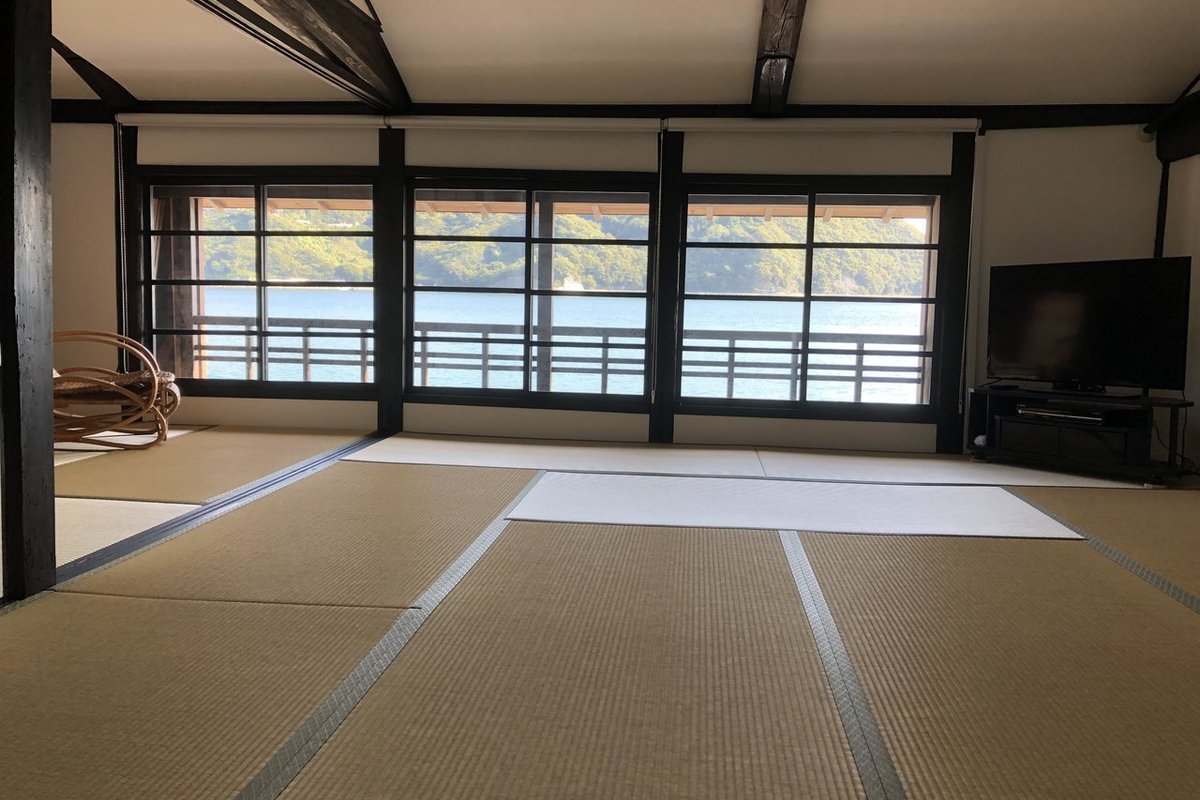
Located within a nationally designated Important Traditional Building Group Preservation District, Tomifsune is a 150-year-old kominka of extraordinary historical significance. From the second-floor windows, guests watch sunrise over the Seto Inland Sea — an experience few accommodations anywhere can match. A cafe annexed to the property serves breakfast on request, allowing you to begin mornings slowly with local food before exploring the meticulously preserved historic townscape outside your door.
- Summer highlight: Sea views from upper floor; historic townscape exploration
- Best for: History enthusiasts; couples seeking a uniquely atmospheric stay
- Location: Kure City, Hiroshima Prefecture
- Reviews: ⭐ 4.94 (16 reviews) | Up to 5 guests
Yuzu no Sato Izumi — Tokushima Prefecture
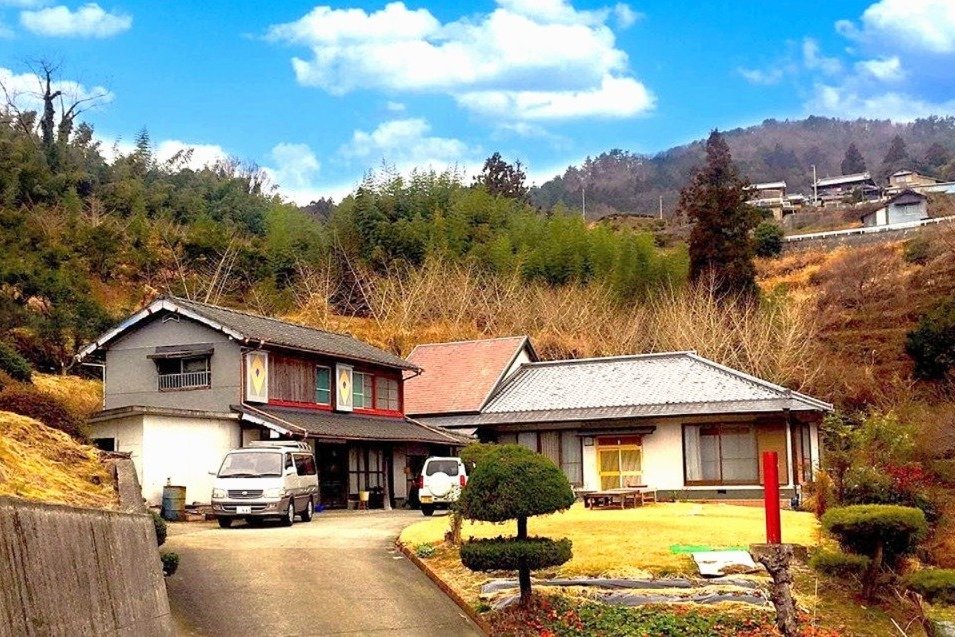
High in the mountains of Mima City, this working farmhouse offers what many travelers describe as the quintessential farm stay experience. Guests wake to crisp mountain air, watch morning mist rise over terraced valleys, and sit on the engawa as the day unfolds at a rural pace. Hosts serve traditional Tokushima dishes including sobagome-jiru — a buckwheat grain soup that is a local soul food. Moreover, optional farm participation lets guests genuinely join the seasonal agricultural calendar — a hallmark of nouhaku (traditional village or farm stay) culture in Japan.
- Summer highlight: Morning mist over mountain valleys; farm participation in summer vegetables
- Best for: Couples and solo travelers seeking deep cultural connection
- Location: Mima City, Tokushima — Shikoku mountains
- Reviews: ⭐ 4.88 (16 reviews) | Up to 8 guests
Hanare 6tsuki — Mie Prefecture
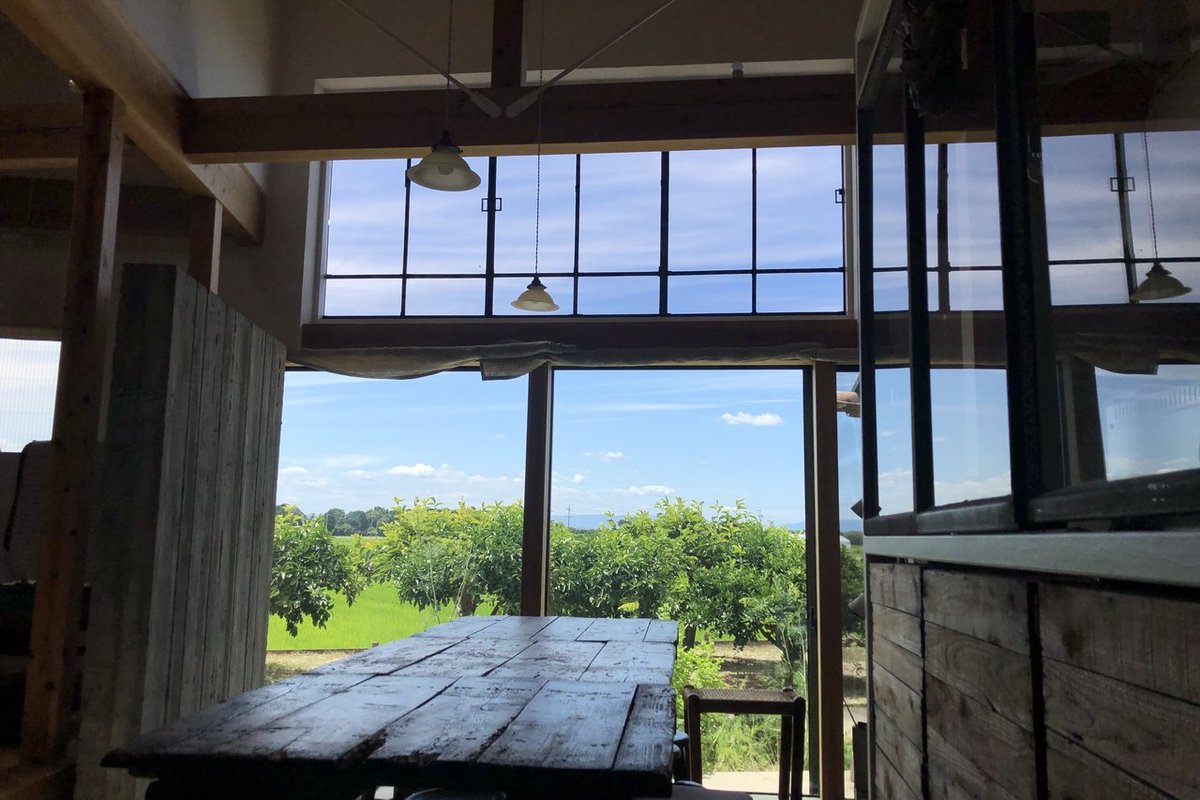
Overlooking rice paddy fields near Ise — home to Japan’s most sacred Shinto shrines — Hanare 6tsuki is a carefully crafted farm-stay annex built from traditional natural materials: lime plaster walls, rice-husk earthen floors, and locally sourced Mie hinoki (cypress) for the bedroom. Antique hardware and a wood-burning stove in winter add warmth to the already welcoming atmosphere. The organic farm that operates the property grows chemical-free vegetables, and tastings in season are therefore a highlight of any visit.
- Summer highlight: Rice paddy views in full summer green; proximity to Grand Ise Shrine
- Best for: Couples and families interested in sustainable living and sacred Japan
- Location: Meiwa Town, Mie Prefecture — near Ise Grand Shrine
- Reviews: ⭐ 4.91 (11 reviews) | Up to 4 guests
Nanbu Kominka — Shiga Prefecture
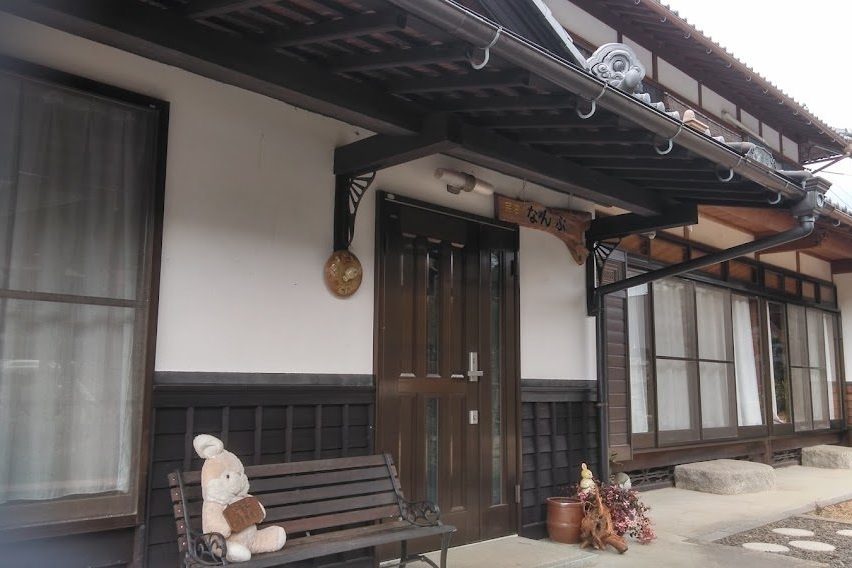
Set in the mountain villages of Koka City — in the Shigaraki pottery-producing region and on the historic Iga-Koka ninja trail — this rice-farming family’s kominka hanare offers a serene stay in one of the most culturally layered corners of Shiga Prefecture. Surprisingly, the property also caters to remote workers with a raised-height desk and 27-inch monitor. However, the true draw is the surrounding silence: starlit nights, birdsong mornings, and dark rural skies that city life rarely provides.
- Summer highlight: Shigaraki pottery workshops nearby; stargazing in unpolluted mountain skies
- Best for: Remote workers; couples seeking silence and cultural depth
- Location: Koka City, Shiga Prefecture — Iga-Koka ninja region, Shigaraki pottery area
- Reviews: ⭐ 4.90 (10 reviews) | Up to 4 guests
Tips for Booking Your First Kominka Stay
- Book Early for Peak Seasons. Summer (July–August) and autumn foliage (late October–November) fill quickly. Reserve at least 2–3 months ahead for the best selection.
- Check Minimum Night Requirements. Some kominka require 2-night minimum stays. Read the listing carefully before confirming your dates.
- Communicate with Hosts in Advance. Ask about farm activities, local food arrangements, parking, and station pickup options. STAY JAPAN’s messaging system makes this straightforward.
- Plan Your Transport. Most kominka are in rural areas not served by trains. Renting a car gives you freedom to explore. Note that Japan drives on the left, and roads around rural kominka can be narrow — a compact car is strongly recommended. International visitors will need an International Driving Permit (IDP), so arrange this before leaving home. Check driving times from the nearest Shinkansen station before booking.
- Pack Appropriately. Bring comfortable layers (mountain evenings can be cool even in summer), indoor slippers, and an open mind. Some kominka have outdoor or shared bathroom facilities.
- Respect the Space. Kominka are historical structures. Remove shoes before entering tatami rooms, handle sliding screens gently, and treat antique furniture with care. In return, you’ll leave with memories that last a lifetime.
Frequently Asked Questions
What is the difference between a kominka and a ryokan?
A ryokan is a traditional Japanese inn that operates as a hospitality business, typically with professional staff, formal multi-course dinner service, and communal hot spring baths. A kominka refers to the physical structure — an old traditional house — that may be operated as a private rental (like the properties on STAY JAPAN) or, in some cases, as a small inn. Many kominka stays on STAY JAPAN are one-group-only private rentals where you have the entire home to yourselves.
Are kominka stays suitable for families with children?
Most are well-suited for families. Children particularly enjoy the open spaces, traditional play areas, gardens, and farm activities that kominka typically offer. Always check the property listing for specific age restrictions or family-related policies before booking.
Is it difficult to book a kominka in Japan as a foreign visitor?
Through STAY JAPAN, the booking process is entirely in English. Property pages show English descriptions, pricing in yen, and a straightforward online reservation system. Many hosts have experience welcoming international guests, and the STAY JAPAN messaging system supports English communication throughout.
Are kominka stays more expensive than hotels?
Pricing varies widely depending on location, property size, and season. Many kominka on STAY JAPAN start from ¥7,000–¥12,000 per night as a base rate (typically for 2 guests at a minimum booking) — making them excellent value when split between a group. A one-group private rental provides space that would cost significantly more in equivalent hotel rooms, particularly for families or groups of 4 or more.
What is an irori, and will my kominka have one?
An irori (囲炉裏) is a traditional sunken wood or charcoal-burning hearth set into the floor of the main living area. They were central to Japanese rural domestic life for centuries, providing heat and a cooking surface. Not every kominka has a functioning irori — some have been removed during renovation — but many traditional farmhouses retain them as working features or displays. Check the property description for details.
Start Planning Your Kominka Experience
Japan’s traditional farmhouses are among the world’s most extraordinary accommodation options. Whether you’re drawn by the architecture, the agricultural rhythms, the silence, or the food — a kominka stay transforms how you understand Japan.
Browse all kominka stays on STAY JAPAN →
Related Articles
- Traditional Japanese House Stay: 8 Kominka & Countryside Stays
- Kominka Farm Stay Japan: Authentic Traditional House Experiences
- 9 Private Traditional Houses for Large Groups (10+ People)
- Airbnb Japan vs STAY JAPAN: Which is Better for Traditional Stays? (2026)
Related Feature Collections
Looking for more inspiration? Browse our curated feature collections: