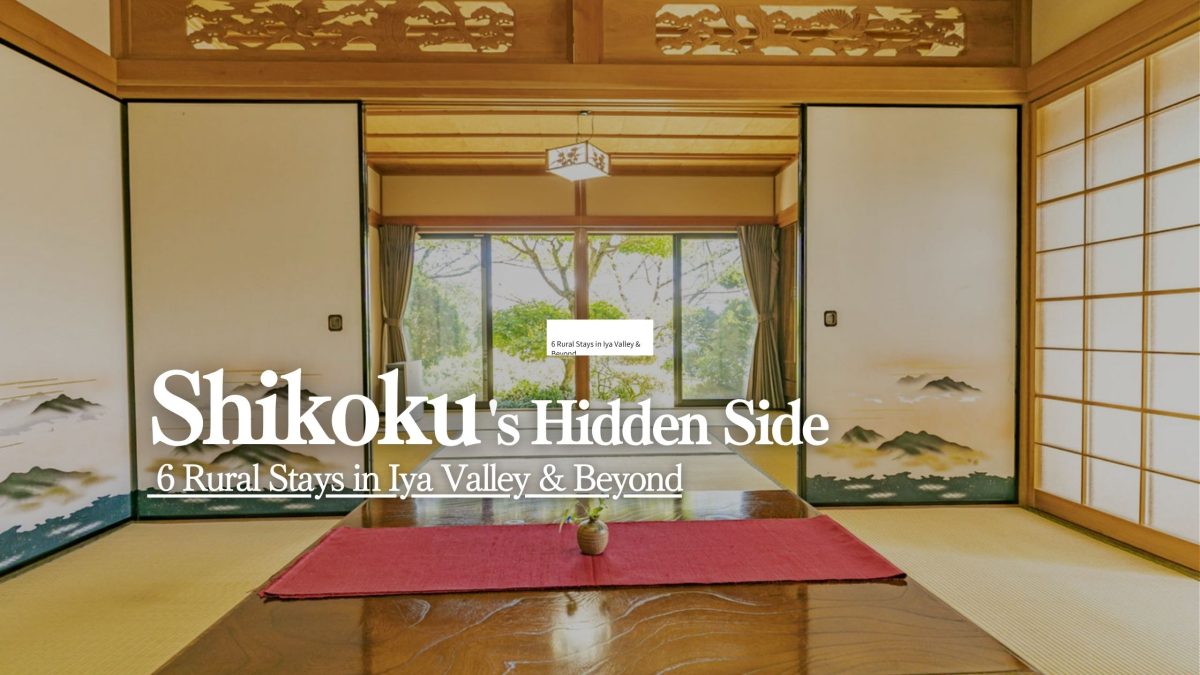

Shikoku is Japan’s best-kept secret. While travelers flood into Kyoto and Tokyo, this island of around 3.5 million people remains gloriously uncrowded — home to dramatic mountain gorges, crystalline rivers, 150-year-old thatched farmhouses, and one of the world’s most famous pilgrimage routes. At the heart of it all lies the Iya Valley, a remote enclave in western Tokushima prefecture where mist-draped peaks, vine bridges, and ancient kominka farmhouses feel untouched by time.
If you’re looking for the real Japan — not the polished tourist version, but the kind where locals invite you to share home-cooked meals and mornings sound like birdsong — Shikoku deserves your attention. STAY JAPAN connects travelers directly with hosts across the island, offering private farmhouse stays, traditional kominka, and mountain retreats you won’t find on mainstream booking platforms.
Here are the six best rural accommodations to make your Shikoku adventure unforgettable in 2026.
Why Shikoku’s Iya Valley Is Worth the Journey
The Iya Valley (祖谷渓) is one of Japan’s three great “hidden regions” — remote, dramatic, and largely unchanged for centuries. Carved by the Iya River through the Shikoku Mountains, the valley is famous for its vine bridges (kazurabashi), woven from shirakuchi-kazura (wild mountain vines related to kiwi) and replaced every three years by local craftspeople following a tradition over 800 years old. The bridges cross the gorge at terrifying heights — but crossing one at dawn, with mist rising from the river below, is an experience that stays with you forever.
The surrounding landscape tells the story of Shikoku’s soul. Traditional thatched farmhouses (minka) cling to steep hillsides. Local vegetables grow in small terraced plots. The Oboke and Koboke gorges — marble and crystalline schist shaped by millions of years of erosion — turn a vivid emerald in summer light. And winding through all of it, connecting four prefectures and 88 sacred temples, is the ancient pilgrimage route of the O-henro (お遍路), walked by thousands of white-robed pilgrims every year.
Summer is an ideal time to visit. While coastal Shikoku gets warm and humid, the mountain villages of Iya stay refreshingly cool. Kochi’s Niyodo River — famous for what locals call “Niyodo Blue,” one of the most intensely turquoise river colors in Japan — is at its most beautiful in July and August. And in mid-August, Tokushima erupts into the famous Awa Odori dance festival, one of Japan’s most exuberant summer celebrations.
Beyond Iya Valley, each of Shikoku’s four prefectures offers its own flavour of off-the-beaten-path Japan: the lush subtropical forests and high rainfall of Kochi, the castle city and cycling island routes of Ehime, and the sun-drenched Seto Inland Sea shores of Kagawa.
What Makes STAY JAPAN Different?
- Direct access to authentic rural properties — not polished resort hotels, but real farmhouses and village homes where the host is your neighbour
- English-language support — many hosts speak English or have English profiles, making communication easy
- Entire-house bookings — privacy and space, not shared dorms; perfect for couples, small groups, and families
- Activities and farm experiences — several hosts offer farm activities, local cooking, and guided walks only available through direct booking
- Fair pricing — booking directly with the host means no OTA commission, keeping costs lower for guests
- Curated kominka and traditional houses — STAY JAPAN specialises in properties with genuine cultural character
Explore all traditional house options on our Traditional House feature page.
Our Top 6 Picks: Rural Accommodation Across Shikoku
1. Largo Guesthouse: Relaxation Retreat — Iya Valley, Tokushima
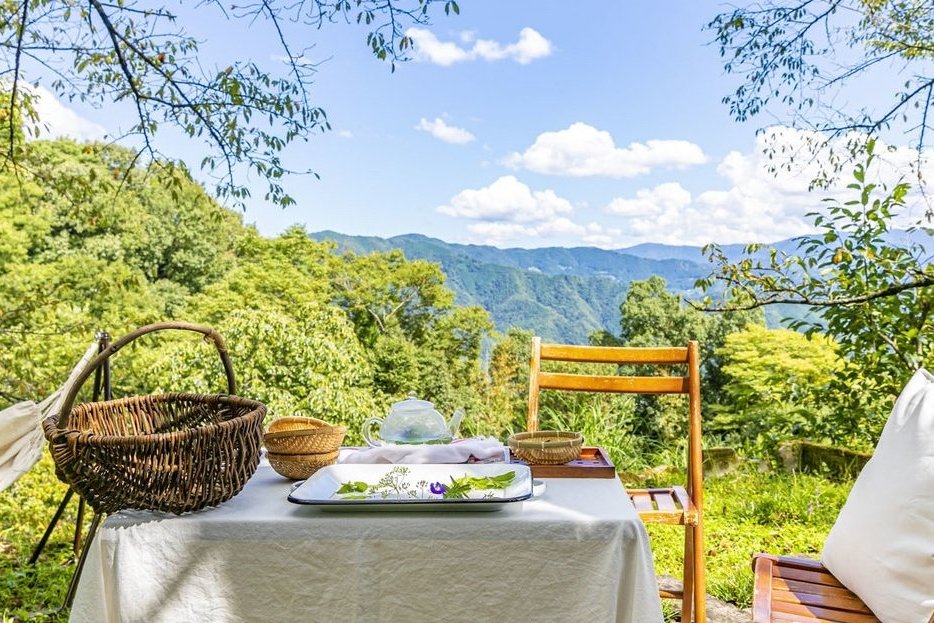
Tucked deep in the mountains of Miyoshi — the gateway to the Iya Valley — Largo Guesthouse is a secluded mountain house where the only sounds are birdsong and wind. This thoughtfully restored private home sleeps up to six and offers exactly the kind of total disconnection that travelers come to Iya for. Sitting on the hillside with views over the valley below, the surrounding forests change with the season: fresh green in early summer, spectacular in autumn, and snow-dusted in winter.
- Iya Valley highlights: Day trip to the kazurabashi vine bridges and Oboke Gorge
- Summer highlight: Cool mountain air when the coast is sweltering
- Best for: Couples, small groups seeking complete peace and privacy
- Location: Miyoshi City, Tokushima — about 25 minutes by car from Awa-Ikeda station
2. Old Private House Kuraya (Agricultural Experience!) — Iya Valley, Tokushima
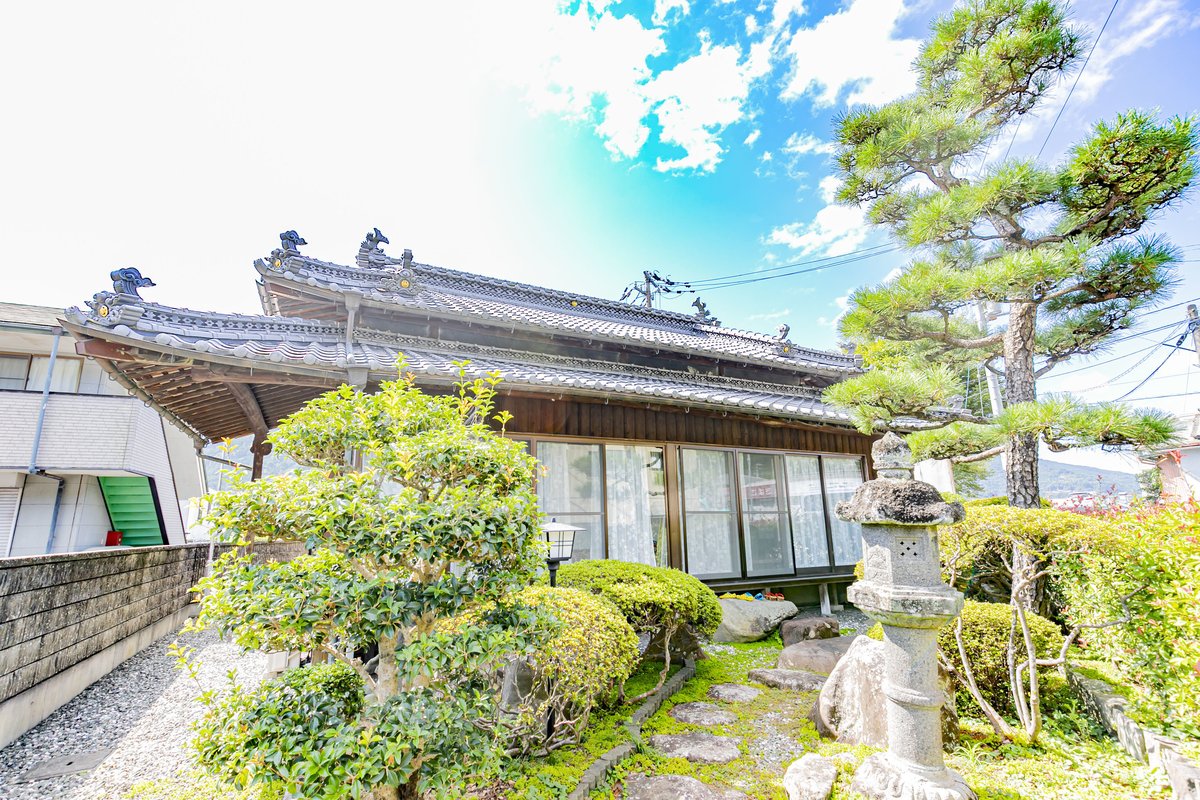
For the complete kominka-and-farm experience, Kuraya is exceptional. This entire traditional Japanese farmhouse in Miyoshi has been restored for guest use and is the only property in our Shikoku selection with dedicated English language support from the host. The name Kuraya (蔵谷) refers to the traditional storehouse architecture. Guests can participate in agricultural activities — from harvesting seasonal vegetables to experiencing the rhythms of rural life that have shaped this valley for generations. Starting from around ¥32,000 per night, it’s outstanding value for an entire private farmhouse with authentic cultural immersion.
- Iya Valley highlights: On-site farm experience; kominka architecture; access to vine bridges
- Summer highlight: Harvest seasonal mountain vegetables; firefly viewing in June/July
- Best for: Cultural immersion seekers; history enthusiasts; families who want hands-on experience
- Location: Miyoshi City, Tokushima
3. Itsuki Residence — Naka River Area, Tokushima
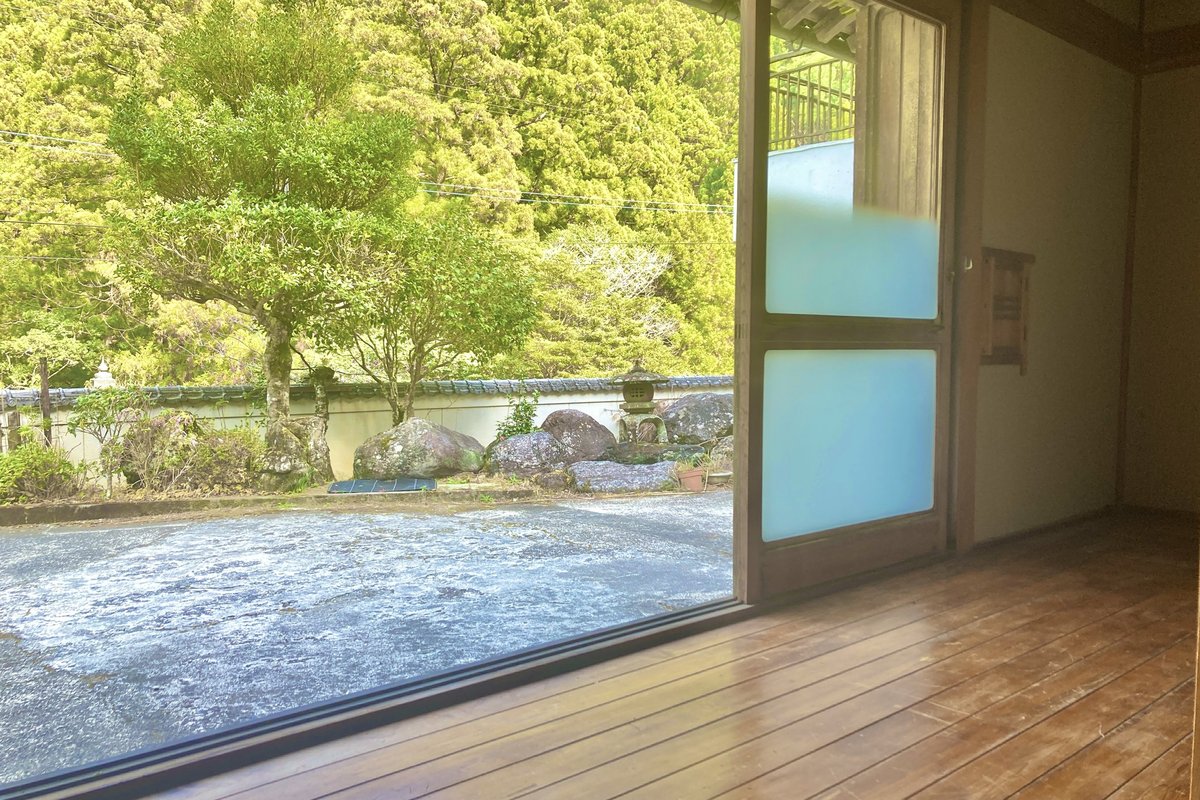
South of the Iya Valley, Naka Town follows the course of the Naka River through some of southern Tokushima’s most unspoiled scenery. The Itsuki Residence is a private rural home sleeping up to six — a retreat into the deep countryside away from even the modest crowds that the Iya Valley can attract in peak season. For travelers who want to go further off the tourist trail, Naka offers cedar forests, clear rivers, and the kind of quietude that’s genuinely rare. At just ¥8,000 per night, this is one of the most accessible ways to experience rural Tokushima.
- Summer highlight: Cool river valley setting; hiking and forest walks
- Best for: Budget-conscious travelers; adventurous solo or duo trips
- Location: Naka Town, Tokushima (approximately 90 minutes south of Tokushima City)
4. ~Meiji House~ Niyodo Blues — Niyodo River, Kochi
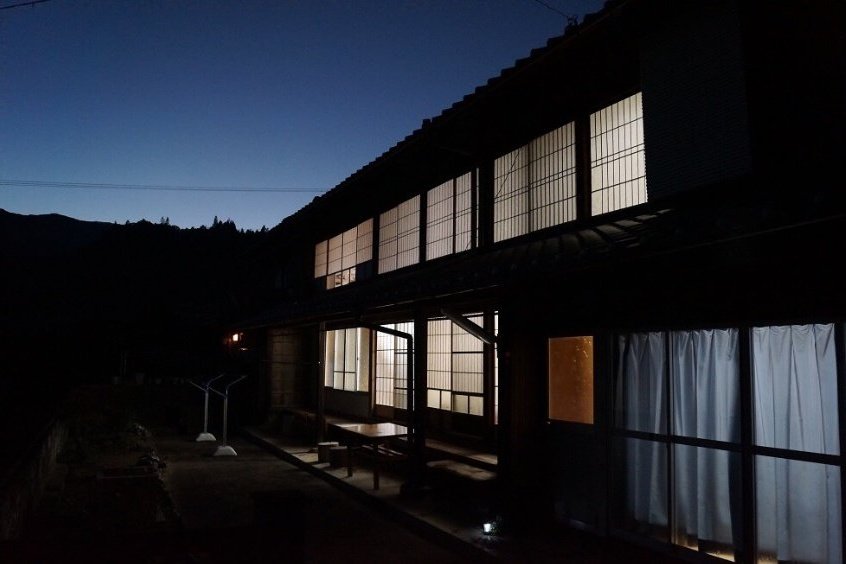
Kochi prefecture is raw, beautiful, and wonderfully overlooked. The Niyodo River is famous worldwide for “Niyodo Blue” — the extraordinary turquoise color produced by some of Japan’s purest mountain water. While the river is most intensely blue during the cooler months (autumn through winter), July and August are ideal for swimming, kayaking, and river play in its crystal-clear currents. The Meiji House sits right alongside this legendary waterway. Built during the Meiji era (1868–1912), this historic farmhouse has been lovingly preserved, and its generous capacity (up to 12 guests) makes it outstanding for group travel. An afternoon in the Niyodo, surrounded by forested mountains, is one of those quintessential Japan moments most tourists never experience.
- Summer highlight: Swimming and river activities in the Niyodo — July and August ideal for river play
- Best for: Groups and families; history enthusiasts; outdoor and river activity lovers
- Location: Niyodo River area, Agawa, Kochi — approximately 1 hour from Kochi City
5. MINPAKU TAKANO Observatory — Kuma Kogen (Highland Area), Ehime
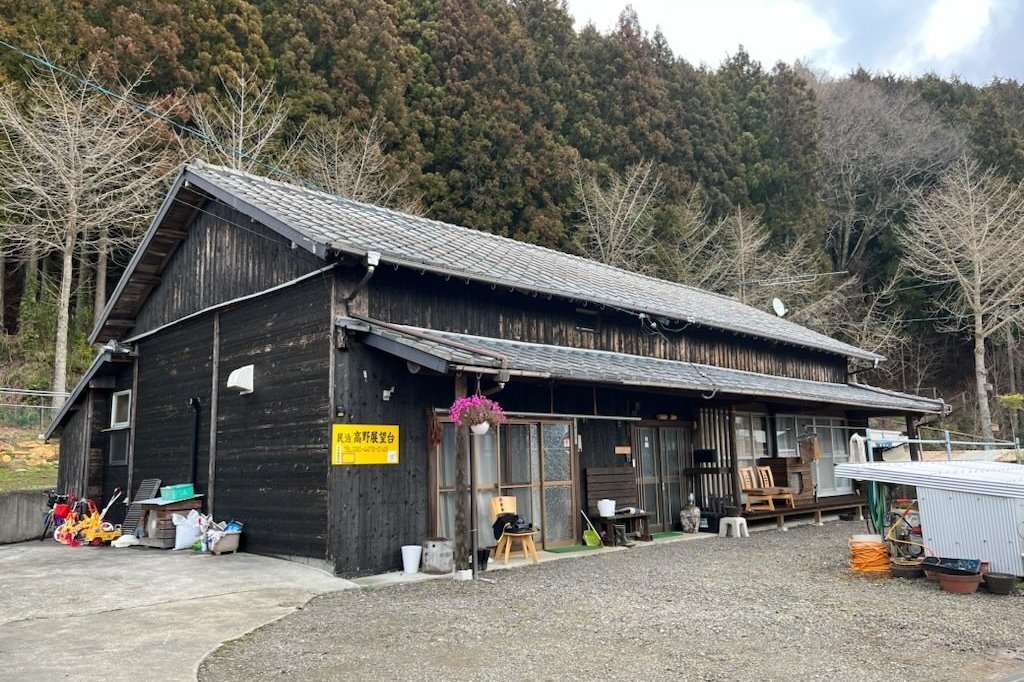
Ehime’s Kuma Kogen — the “Bear Highlands” — sits at elevation in the heart of the Shikoku Mountains, offering a plateau retreat that stays significantly cooler than the coastal lowlands in summer. The MINPAKU TAKANO Observatory is exactly what its name suggests: a kominka-style stay perched on a mountainside with panoramic views over the highlands. Two guests have reviewed it with perfect 5-star scores, praising both the setting and the host’s warmth. The surrounding area is a base for climbing Mount Ishizuchi (石鎚山) — the highest peak in western Japan — as well as scenic hiking, forest walks, and Matsuyama’s famous Dogo Onsen (approximately 90 minutes away).
- Summer highlight: Highland coolness; stargazing; Mount Ishizuchi hiking trails within reach
- Best for: Outdoor enthusiasts; hikers; families wanting highland adventures
- Location: Kamiukena (Kuma Kogen), Ehime — approximately 90 minutes from Matsuyama by car
6. Slopes and Roof Tiles — Sea View at Sunset — Ogijima Island, Kagawa
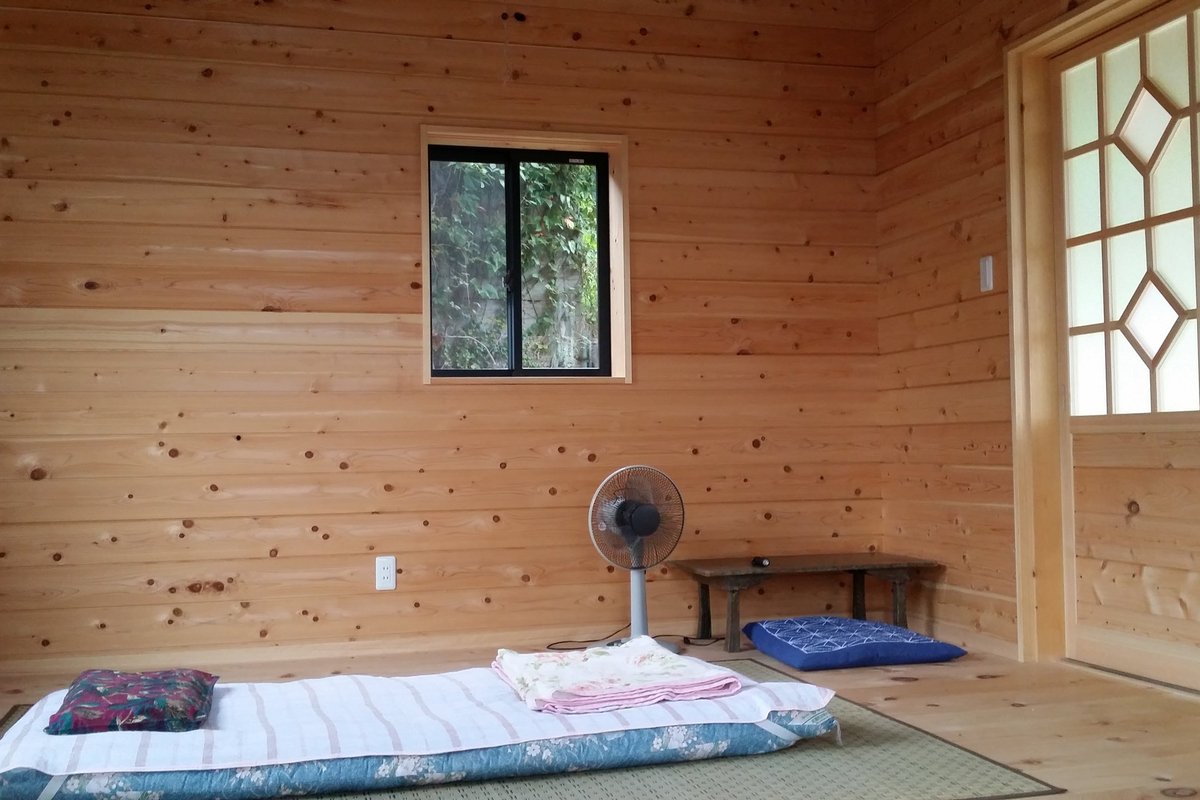
Kagawa is Shikoku’s smallest prefecture but punches far above its weight in character — and this property takes the concept of “off the beaten path” to its literal conclusion. Slopes and Roof Tiles is located on Ogijima (Ogi Island), a small art island in the Seto Inland Sea famous for its resident cat population, whitewashed maze-like streets, and site-specific installations from the Setouchi Triennale. Getting there is its own adventure: a 15-minute walk from Takamatsu Station to the port, then a 40-minute ferry ride across sparkling inland sea waters. Arriving by boat to an island of slopes, rooftiles, and ocean light sets an unforgettable tone for the stay. The Japanese property name translates evocatively as “the room where the sea turns golden at sunset” — and from the hillside position, the view delivers exactly that. Highly rated with a perfect 5.0 score, this is one of STAY JAPAN’s most distinctive island stays.
- Summer highlight: Seto Inland Sea sunsets; Naoshima and Teshima art islands (nearby by ferry); Takamatsu udon culture
- Best for: Art enthusiasts; island seekers; travelers looking for the most unique and memorable stay in Shikoku
- Access: 15-minute walk from Takamatsu Station to Takamatsu Port → 40-minute ferry to Ogijima
Tips for Planning Your Shikoku Rural Escape
- Get a rental car. Public transport reaches some parts of Shikoku, but rural accommodations like those in Iya Valley and Kochi require a car for full flexibility. JR passes cover the main lines, but mountain villages need wheels.
- Combine at least two prefectures. Shikoku rewards a multi-day itinerary. A classic loop: Tokushima (Iya Valley) → Kochi (Niyodo River) → Ehime (Matsuyama/Shimanami Kaidō) → Kagawa (Takamatsu/Naoshima). Allow 5–7 days for this circuit.
- Bring cash for remote villages. ATMs and card payment acceptance can be limited in mountain areas. Withdraw cash in Tokushima City or Kochi City before heading into the hills.
- Experience the O-henro pilgrimage culture. Even if you’re not walking the 88-temple route, understanding its significance adds profound depth to Shikoku. You’ll see white-robed henro walkers on the roads; a small act of osettai (offerings to pilgrims) is a cherished local tradition.
- Pack for mountain weather. Even in summer, mountain areas above 500m can be cool in the evenings. Iya Valley temperatures can be 5–10°C lower than coastal Tokushima. A light layer is always useful.
Frequently Asked Questions
Q: What is the Iya Valley known for? The Iya Valley (祖谷渓) in western Tokushima is one of Japan’s three “hidden regions,” known for its dramatic mountain gorges, ancient vine bridges (kazurabashi), traditional thatched farmhouses, and profound isolation from modern Japan. It’s often described as a living window into rural Japan before industrialization.
Q: How do I get to the Iya Valley from Osaka or Kyoto? The fastest route is by express train from Osaka to Awa-Ikeda Station (JR Okayama/Dosan Line), which takes approximately 2.5 hours, followed by a local bus or rental car into the valley. Alternatively, travel by highway bus from Osaka (approximately 3.5 to 4 hours to Awa-Ikeda). Once in the valley, a rental car is strongly recommended for visiting the vine bridges and remote accommodations.
Q: Is Shikoku good to visit in summer? Yes — with some caveats. Coastal areas can be hot and humid in July and August, but mountain destinations like the Iya Valley and Kochi’s highlands stay considerably cooler. The summer months bring the famous Awa Odori festival (mid-August, Tokushima), firefly evenings (June/July), and the vivid Niyodo Blue river at its most photogenic. Summer is arguably Shikoku’s most dramatic season.
Q: Can I find English-speaking hosts for rural Shikoku stays? Yes. Properties like Old Private House Kuraya (ID: 13194) in Miyoshi specifically note English language support. Many other STAY JAPAN hosts use translation apps and are experienced welcoming international guests. The STAY JAPAN platform provides English property descriptions for all featured properties.
Q: What is the 88-temple pilgrimage? The Shikoku Ohenro is one of the world’s great pilgrimage routes, a circuit of 88 Buddhist temples associated with the monk Kukai (774–835 AD). Completing the full 1,200km circuit on foot takes 30–60 days, but many visitors walk selected sections or travel by car or bus. The pilgrimage begins in Tokushima and runs through all four Shikoku prefectures. Encountering henro pilgrims on the roads is one of Shikoku’s most distinctive and moving experiences.
Start Planning Your Shikoku Adventure
→ Explore all rural stays in Shikoku on STAY JAPAN
Note: Pricing and availability mentioned in this article reflect data from June 2026 and are subject to change. Please check each property’s official STAY JAPAN listing for the most up-to-date information before booking.
Related Articles
- Best Japan Summer Vacation Rentals: Top Countryside Holiday Homes (2026)
- Escape the City Heat: Cool Japanese Countryside Summer Stays (2026)
- What Is a Kominka? A Complete Guide to Traditional Japanese Farmhouse Stays
- Kyushu Countryside Stays: 8 Farmhouses & Traditional Houses (2026)
- Best Kominka Stays in Tohoku: Traditional Houses in Northern Japan (2026)
- Hokkaido Farm Stay Japan: 6 Authentic Rural Experiences (2026)
- Nouhaku Japan: Complete Guide to Agricultural Stays 2026
Related Feature Collections
Looking for more inspiration? Browse our curated feature collections:
- Harvest Experience Stays — Pick fruit, vegetables, and traditional crops with local farming families
- Food Craft Stays — Local cuisine experiences and hands-on cooking stays
- Highland Retreat Stays — Cool mountain escapes in Japan’s alpine regions