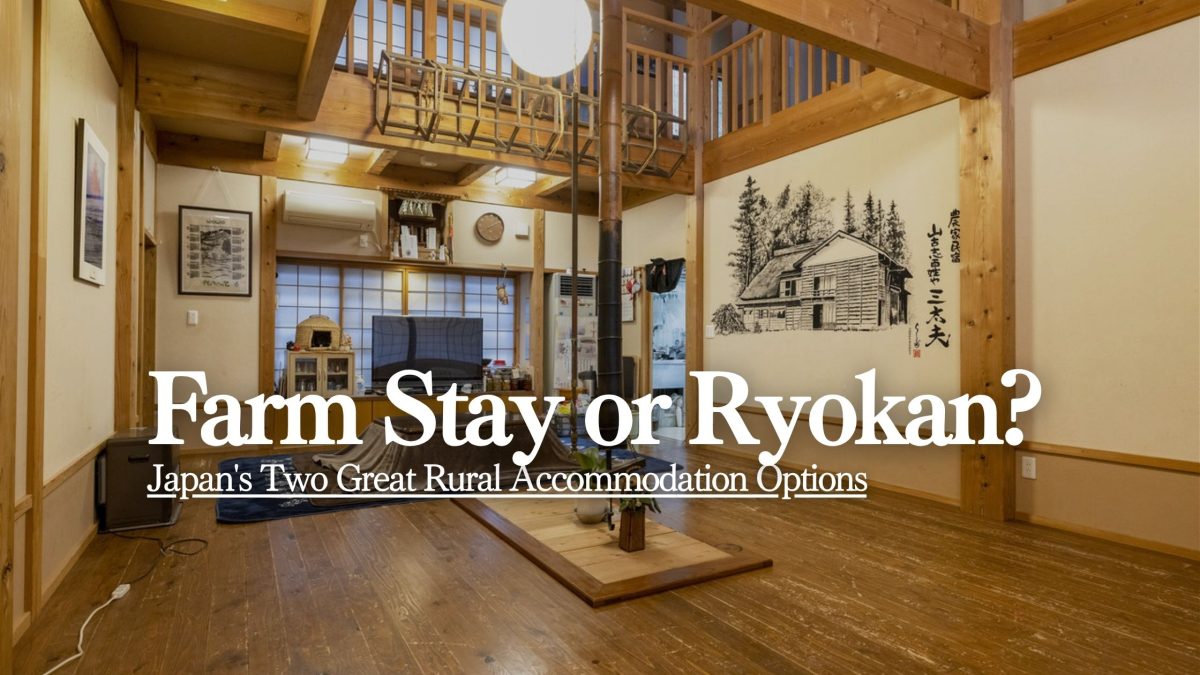

When planning a trip to Japan, you’ll quickly encounter two accommodation options that promise something far more memorable than a hotel: the ryokan and the farm stay. Both offer a window into authentic Japanese culture. Both provide experiences you simply won’t get at a business hotel. But they are profoundly different, and choosing the right one can define your entire trip.
This guide breaks down everything you need to know — cost, atmosphere, food, activities, and who each type suits best — so you can make the right choice for your 2026 Japan journey. We’ve also hand-picked six exceptional farm stay experiences across Japan that you can book directly through STAY JAPAN.
What Is a Farm Stay (Nouhaku) in Japan?
A farm stay — called nouhaku (農泊) in Japanese — is exactly what it sounds like: you stay at a working farm, a traditional rural farmhouse, or in a village where agriculture and nature are central to daily life. The concept has deep roots in Japanese rural culture, and since Japan’s government began actively promoting nouhaku as a tourism initiative around 2017, the number of high-quality farm stay options has grown significantly.
Farm stays in Japan typically offer:
- Private or semi-private accommodation in traditional kominka (古民家) farmhouses, converted rural homes, or dedicated guesthouses on farm properties
- Meals featuring fresh, locally grown produce — often prepared by the host from their own fields or nearby farms
- Hands-on agricultural activities — harvesting vegetables, rice planting, fruit picking, animal feeding, and more (availability varies by season and property)
- Immersion in rural community life — local festivals, morning farm walks, interactions with neighbours
- Remarkable value — many farm stays range from ¥5,000–¥20,000 per night, often including breakfast or two meals
Farm stays particularly shine for travelers who want to understand Japan beyond its cities — to feel the rhythm of the land, learn about the food system, and experience the hospitality of families who have worked the same mountains and valleys for generations.
For a deeper look at the farmhouse architecture that defines many of these stays, read our guide: What Is a Kominka? A Complete Guide to Traditional Japanese Farmhouse Stays
Want to explore nouhaku in depth? Our complete guide covers regional highlights across Japan, what to expect, and how to book: Nouhaku Japan: The Complete Guide to Countryside Agricultural Stays (2026)
What Is a Ryokan?
A ryokan (旅館) is Japan’s traditional inn — a style of accommodation that has existed in its recognizable form since at least the 8th century. Ryokans offer one of the world’s most distinctive hospitality experiences: an immersion in Japanese aesthetics, cuisine, and ritual.
Ryokans typically offer:
- Tatami-floored rooms with futon bedding, shoji screens, and low tables
- Yukata robes provided for guests to wear around the property
- Kaiseki meals — elaborate multi-course dinners drawn from Japan’s highest culinary tradition, served in your room or a formal dining area
- Onsen (hot spring) baths — communal or private, the spiritual heart of the ryokan experience
- Formal, attentive service — ryokan staff (nakai) often attend to guests throughout their stay
Ryokans range from budget minshuku guesthouses (¥8,000–¥15,000/night with meals) to luxury onsen resorts that can exceed ¥100,000 per person per night. The defining quality is refinement — everything, from the ceramic tableware to the folded towels, expresses the Japanese aesthetic principle of omotenashi (wholehearted hospitality).
Farm Stay vs Ryokan: Key Differences at a Glance
| Feature | Farm Stay (Nouhaku) | Ryokan |
|---|---|---|
| Atmosphere | Rustic, informal, family-like | Formal, refined, ceremonial |
| Location | Rural countryside, remote villages | Varies (resort areas, hot spring towns, sometimes urban) |
| Price | ¥5,000–¥25,000/night | ¥10,000–¥100,000+/night |
| Food | Home cooking, farm-fresh produce | Kaiseki multi-course cuisine |
| Activities | Farm work, hiking, local crafts | Onsen bathing, tea ceremony, garden strolling |
| Privacy | Often entire private house | Shared facilities common |
| Host interaction | High — hosts are present and involved | Varies (formal service rather than personal) |
| Children | Very child-friendly | Varies — some luxury ryokans prefer adult guests |
| Language | Often easier (many farm stay hosts are experienced with international guests) | Can be limited outside major tourist ryokans |
When to Choose a Farm Stay
Choose a farm stay if you want to:
- Connect with rural Japan authentically — living alongside farming families, not just observing them
- Travel with children — farm activities (feeding animals, picking vegetables, cooking together) create unforgettable experiences for kids
- Stay longer without breaking your budget — farm stays offer excellent value, particularly for multiple-night stays
- Have the entire property to yourself — many farm stays are entire-house bookings, perfect for groups or families who value privacy
- Experience seasonal agriculture — summer brings vegetable harvests, firefly evenings, and river activities; autumn means rice harvesting and mushroom picking
- Explore deeply rural areas — some of Japan’s most beautiful landscapes are only accessible through farm stay networks
When to Choose a Ryokan
Choose a ryokan if you want to:
- Experience the ritual of kaiseki cuisine — the elaborate multi-course meal is one of Japan’s greatest culinary traditions
- Soak in an onsen — many of Japan’s best hot spring experiences are attached to traditional ryokans
- Travel as a couple seeking luxury — romantic, beautifully designed rooms and attentive service make ryokans exceptional for special occasions
- Engage with classical Japanese aesthetics — Noh theatre performances, tea ceremonies, and garden design are often part of premium ryokan experiences
- Stay in well-connected towns — unlike remote farm stays, ryokans are often found in accessible resort towns and historic cities
6 Best Farm Stays in Japan You Can Book Right Now
Looking for the best farm stay experiences Japan has to offer? Here are six exceptional options you can book now through STAY JAPAN — each representing a distinct corner of the country and a different flavour of rural life.
1. “Satogoro” Guesthouse w/ Friendly Goat — Northern Kanto, Numata, Gunma
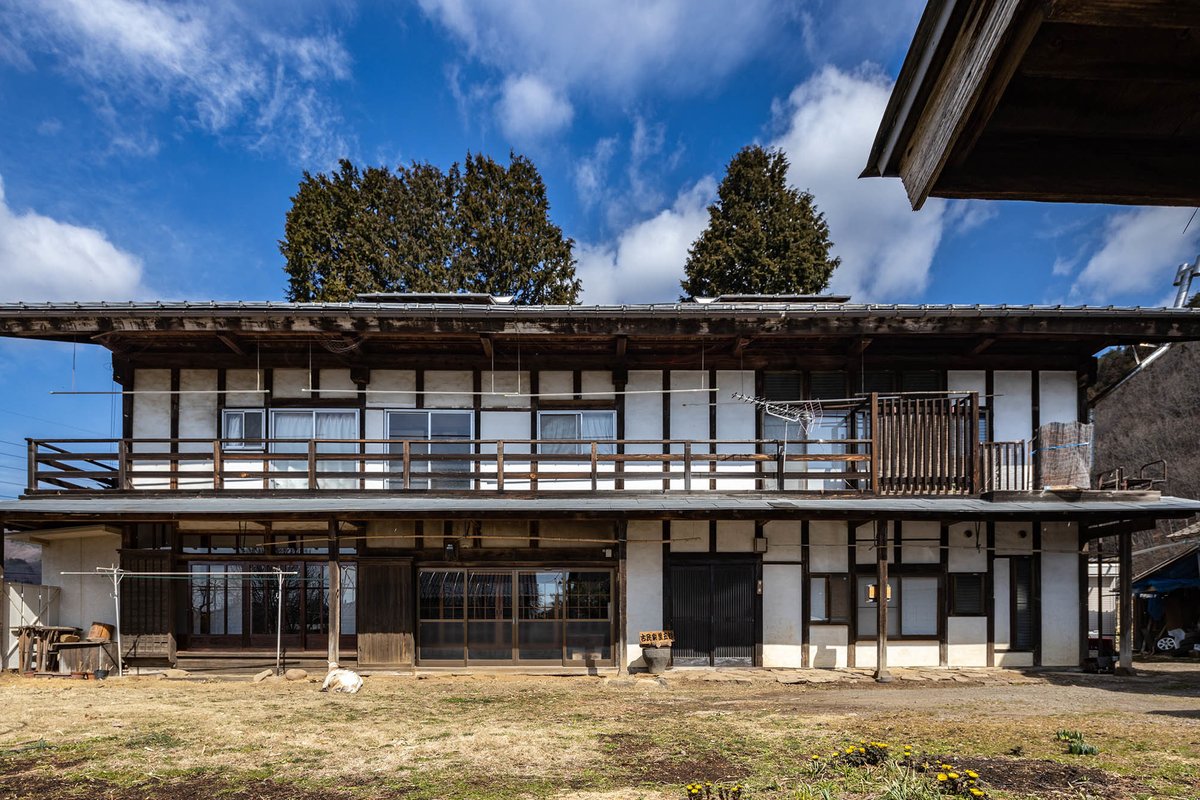
With over 25 five-star reviews, Satogoro is one of STAY JAPAN’s most celebrated farm stay experiences — and the personality of the property comes through in every review. This old kominka farmhouse in the mountains of Gunma is home to a friendly goat named Geko-ta, a treasure-filled historical storehouse (kura) where guests can test their courage in the dark, and a host family whose warmth has charmed travelers from dozens of countries. Starting from around ¥12,900 per night, this private farmhouse offers exceptional value for a deeply personal experience. Numata sits in the northern Kanto highlands, within easy reach of Nikko, Minakami onsen, and the Tone River valley. The host family is experienced welcoming international guests and communicates warmly with translation tools.
- Farm experience: Meet and feed the resident goat; explore the historic storehouse
- Summer highlight: Mountain coolness; nearby Minakami rafting and outdoor activities
- Best for: Families, groups, anyone who wants a genuinely joyful and personal farm stay
- Access: Approximately 20-minute taxi or rental car from Numata Station (JR Joetsu Line)
2. Farmer’s Guesthouse Yamakoshi Sandayu — Yamakoshi, Niigata
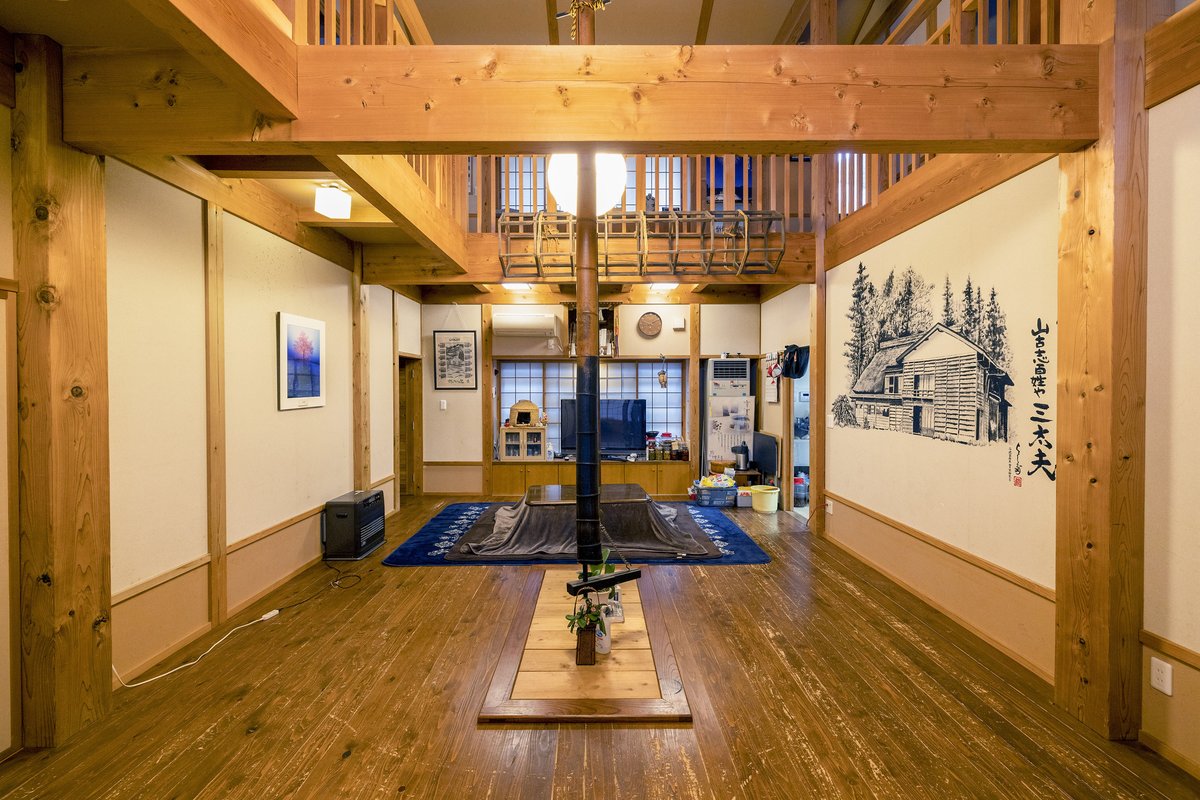
Yamakoshi is one of Japan’s great rural revival stories. After the 2004 Chuetsu earthquake devastated this remote mountain village in Niigata, the community rebuilt itself around its most distinctive assets: ancient Nishikigoi (koi) farming and terraced rice fields that are among Japan’s most photographed landscapes. Today, Yamakoshi Hyakusho-ya Sandayu hosts guests in a traditional farmhouse setting, offering genuine nouhaku — farming, local cooking, and living as the mountain community lives. The property sleeps up to 14 guests, starting from around ¥8,000 per night, making it outstanding value for a group or family seeking a meaningful rural experience. Terraced rice fields turn golden in autumn, but summer — when rice is growing tall and the mountains are vivid green — has its own powerful beauty. Many guests find hosts eager to share the community’s history through translation tools, making the language barrier easy to overcome.
- Farm experience: Rice terrace farming heritage; seasonal agricultural activities; koi observation
- Summer highlight: Vivid green rice fields; mountain hiking; local festivals
- Best for: Larger groups; cultural immersion seekers; rural Japan enthusiasts
- Access: Rental car recommended; approximately 30 minutes from Nagaoka IC (Hokuriku Expressway)
3. Apple House — Northern Japan (Tohoku), Hirosaki, Aomori
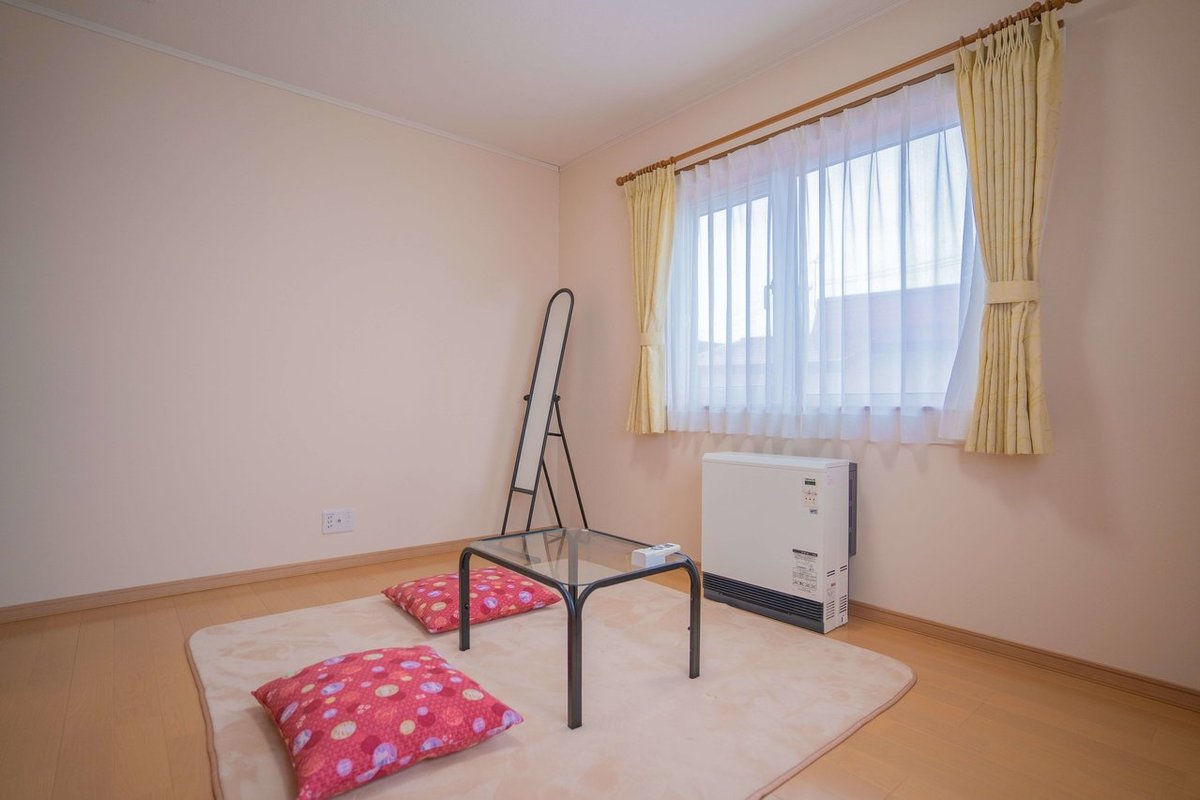
Hirosaki is Japan’s most famous apple city — and Apple House puts you right in the heart of it. This farm stay includes host shuttle service from Hirosaki Station, and up to eight guests can stay starting from around ¥12,900 per night. Aomori prefecture is one of Japan’s most agricultural regions: Mount Hakkoda in central Aomori is a volcanic highland beloved for backcountry skiing; Hirosaki’s spring cherry blossom festival attracts visitors from around the world; and the apple orchards blanketing the countryside around Hirosaki reach peak abundance from late summer into autumn. Summer visits offer the chance to see orchards at their fullest growth, with harvest beginning in late August — and the host’s shuttle service removes all transport hassle from the equation.
- Farm experience: Apple orchard setting; host shuttle from Hirosaki Station; genuine farm accommodation
- Summer highlight: Orchards in full foliage; Aomori Nebuta Festival (August); Hakkoda mountain hiking
- Best for: Families; cultural travelers; those exploring Tohoku (northern Japan)
- Access: Shuttle service from Hirosaki Station provided by host (advance arrangement required)
4. Old Private House Guest House Norakaze — Kyushu, Yamaga, Kumamoto
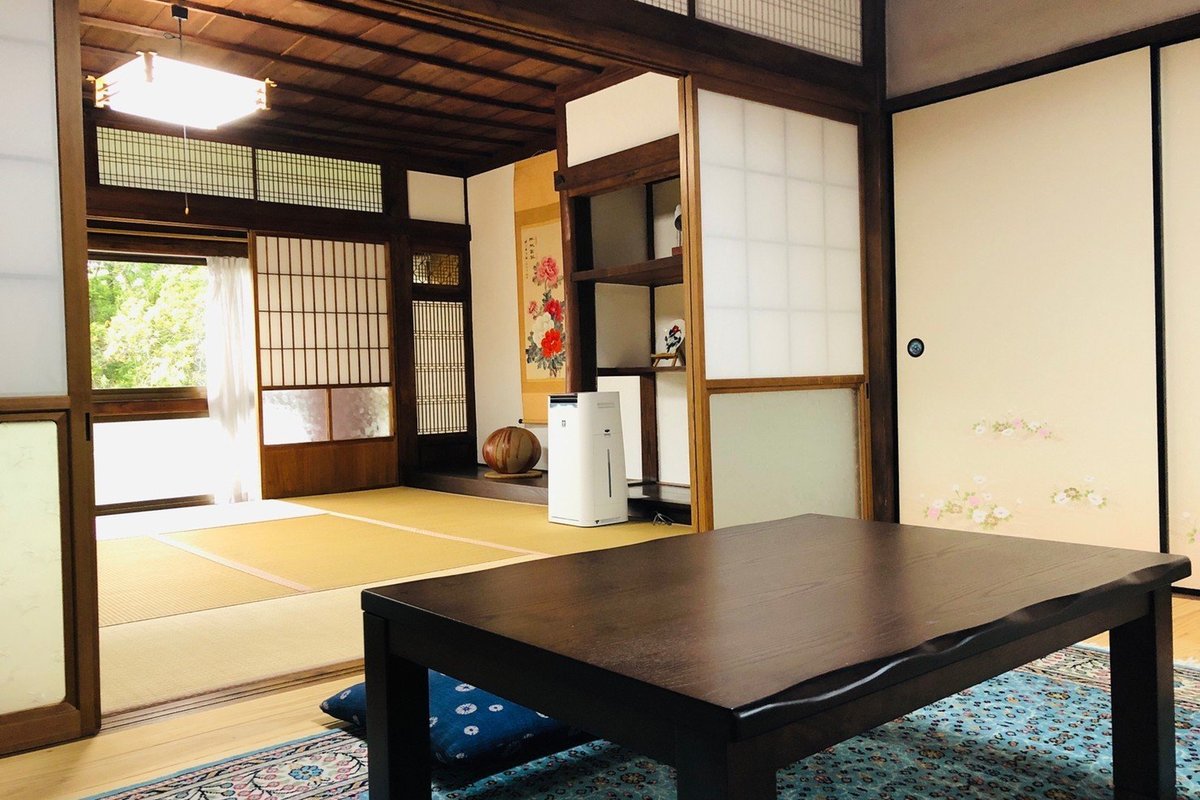
Norakaze — nora meaning “in the wild fields” — is a kominka guesthouse in Yamaga, a historic town in northern Kumamoto known for its atmospheric lantern festival. The hosts at Norakaze have cultivated a natural kitchen garden from which guests receive a morning breakfast featuring vegetables harvested that same day. Four reviewers have given it five stars, praising both the food and the intimacy of the experience. Starting from ¥10,000 per night, it sits at a comfortable mid-range price point for a guesthouse with real farm-to-table credentials. Kumamoto offers dramatic Aso volcanic landscape, the recently restored Kumamoto Castle, and the beautiful Amakusa island chain — making Norakaze an excellent base for exploring Kyushu’s rural heart.
- Farm experience: Natural kitchen garden; farm-fresh breakfast; intimate host-led experience
- Summer highlight: Yamaga Lantern Festival (mid-August); Aso summer hiking; Kurokawa Onsen nearby
- Best for: Food lovers; solo travelers; couples seeking authentic slow travel
- Access: Yamaga is approximately 50 minutes by bus from Kumamoto Station; rental car recommended for flexibility
5. Organic Vegetable Farm ~Musubi~ — Near Tokyo, Oamishirasato, Chiba
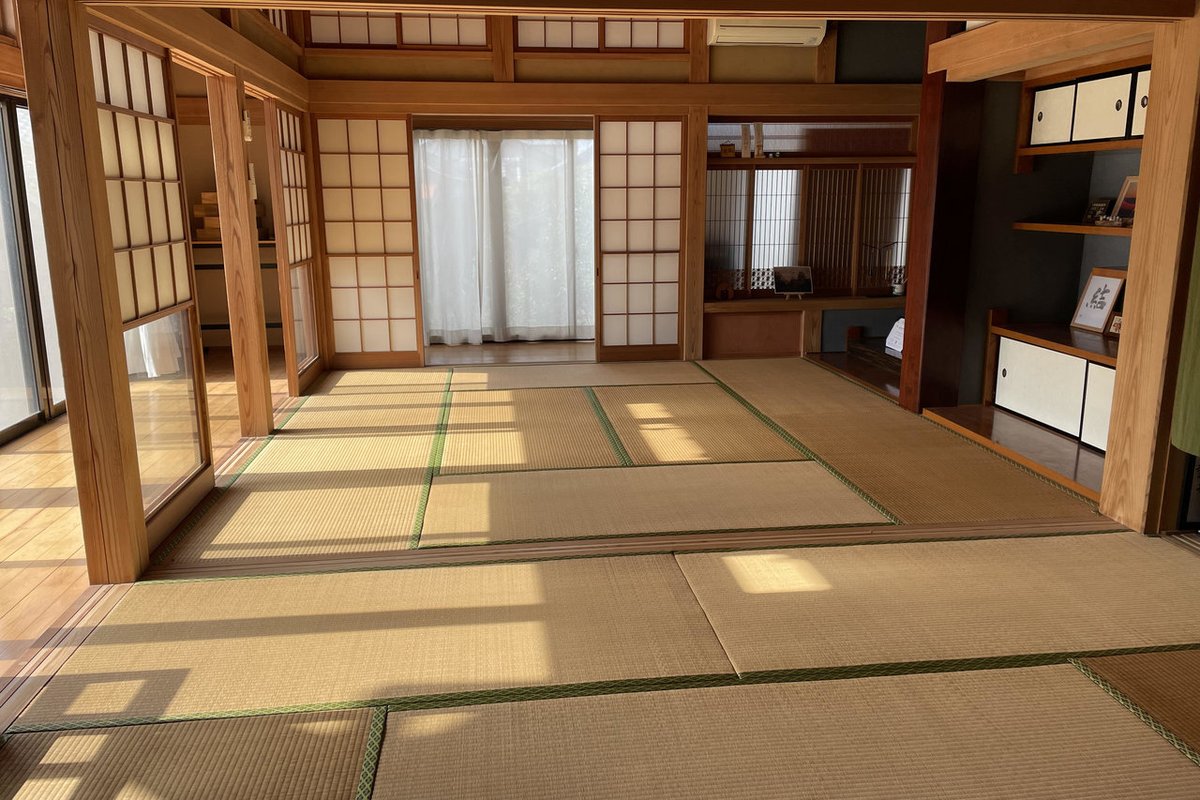
For travelers based in Tokyo who want to experience farm life without a long journey, Musubi is the answer. Located in Chiba’s agricultural south — approximately 1.5 hours from central Tokyo by train and local bus — this certified organic vegetable farm offers a genuine farm stay experience starting from around ¥6,500 per night. Three guests have reviewed it with five stars, consistently noting the quality of the organic produce and the genuine warmth of the host. In summer, the farm’s growing season is at its peak: tomatoes, cucumbers, eggplant, and more are ready for harvesting. For families with children visiting Japan during the school holidays, spending a night harvesting vegetables and cooking them together is the kind of experience that makes Japan unforgettable.
- Farm experience: Certified organic vegetable farm; seasonal harvest activities; farm-to-table cooking
- Summer highlight: Peak growing season; child-friendly harvest activities; Tokyo combination trip
- Best for: Tokyo-based visitors; families; budget-conscious travelers
- Access: Approximately 1.5 hours from Tokyo Station via JR Sotobo Line to Oamishirasato Station
6. Organic & Traditional Farmstay — Hidakagawa, Wakayama
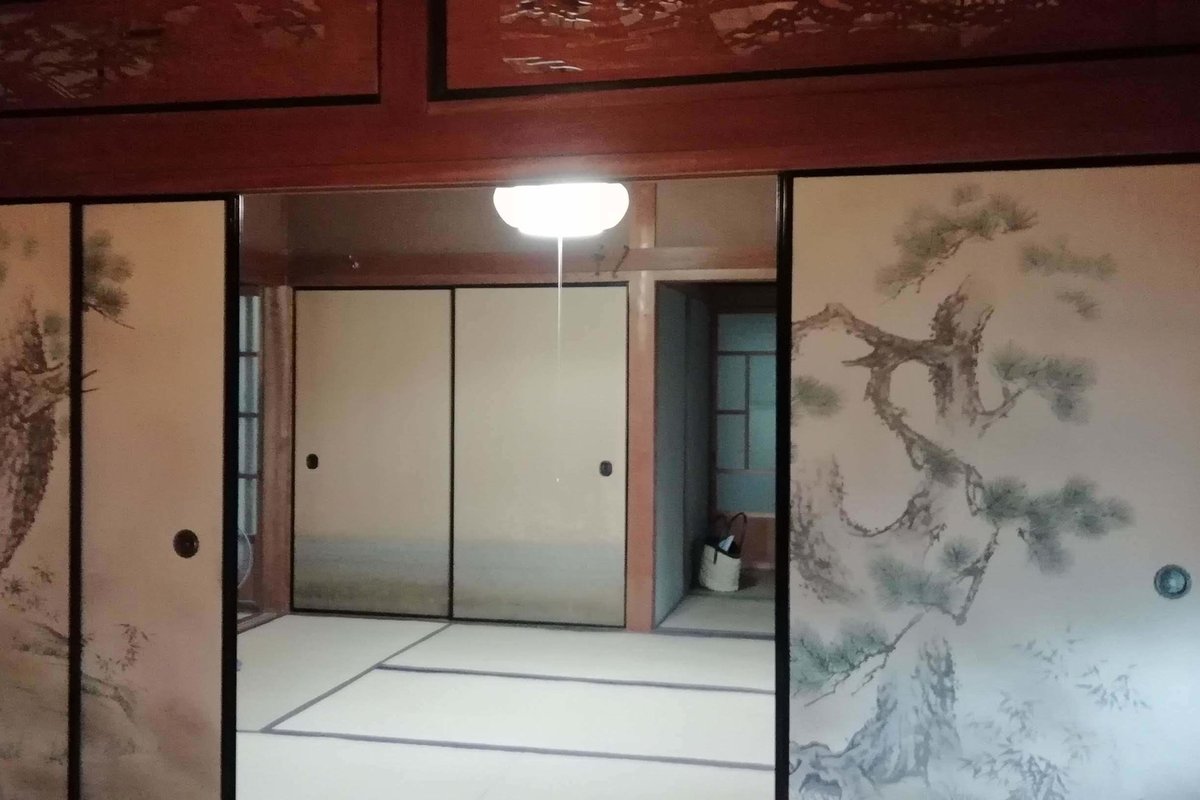
Wakayama prefecture is Japan’s organic farming heartland, and the Hidakagawa area — named after the Hidakagawa River that carves through its forested mountains — offers a landscape of traditional villages and a food culture deeply rooted in the land. This farmstay includes dinner and breakfast in its rate of around ¥8,900 per night — making it exceptional value when you factor in the quality of organic farm-to-table cooking. Three reviewers have given it five stars, praising the eco-conscious ethos and the deep authenticity of the experience. Wakayama is also famous for mikan (mandarin orange) orchards, the Kumano Kodo pilgrimage trails, and the forested World Heritage site of Koyasan. The hosts are experienced with international guests and welcome visitors with translation-assisted communication.
- Farm experience: Certified organic farm; dinner and breakfast included; eco-conscious ethos
- Summer highlight: Hidakagawa River cooling; Kumano Kodo hiking; firefly season in June/July
- Best for: Eco-travelers; food enthusiasts; hikers on the Kumano Kodo
- Access: Rental car recommended; approximately 40 minutes by car from Gobo Station (JR Kisei Line)
Tips for Booking Your First Farm Stay in Japan
- Check what’s included in the price. Some farm stays include meals (particularly breakfast) — others are accommodation-only. The property descriptions on STAY JAPAN clearly indicate meal options. Properties like Wakayama’s D&B Farmstay include both dinner and breakfast, representing outstanding value.
- Book a weekday stay when possible. Farm stays — particularly the most popular ones like Satogoro in Gunma — fill up quickly on weekends. A weekday visit often means more personal time with your host and a quieter, more authentic experience.
- Communicate your interests in advance. Most farm stay hosts are enthusiastic about sharing their lives and work. If you want to participate in specific activities (rice planting, fruit picking, cooking lessons), a brief message before arrival goes a long way.
- Pack appropriately for rural settings. Comfortable walking shoes, light layers for cool evenings, and insect repellent are essentials for farm stays. Some properties are accessible only by car, so check transportation in advance.
- Embrace the different pace. Farm stays operate on farm time — early mornings, communal meals, quiet evenings. This slower rhythm is part of the experience, not an inconvenience. Let the schedule reshape your day.
Frequently Asked Questions
Q: What is nouhaku and how is it different from a regular guesthouse? Nouhaku (農泊) specifically refers to farm stays in rural Japan — accommodations where farming, agriculture, or rural community life are central to the experience. Unlike a regular guesthouse, which may simply be a house in the countryside, nouhaku typically involves active engagement with agricultural life: seasonal activities, farm-fresh food, and genuine interactions with farming families. Japan’s Ministry of Agriculture has actively supported nouhaku development since 2017, and the quality and diversity of farm stay options has grown substantially.
Q: Are farm stays in Japan family-friendly? Absolutely. Farm stays are among the most family-friendly accommodation options in Japan. Children typically love meeting animals, harvesting vegetables, and participating in hands-on activities that city life doesn’t offer. Properties like Musubi in Chiba are explicitly designed for family visits, and many hosts have raised children of their own and are experienced welcoming family groups.
Q: Is a farm stay cheaper than a ryokan in Japan? Generally, yes. While budget ryokans can start around ¥8,000–¥10,000 per person (not per room) including meals, farm stays typically price by the whole property or per room at ¥6,000–¥20,000 per night. When you factor in the entire-house booking model of many farm stays, the per-person cost is often significantly lower than a comparable ryokan. Importantly, the value of the experience — meals from the garden, agricultural activities, personal host attention — often exceeds what a similarly priced ryokan provides.
Q: Can I experience a ryokan AND a farm stay on one trip? Absolutely — and this combination is one of our favourite Japan trip structures. Many travelers spend 2–3 nights in a traditional ryokan (for kaiseki cuisine and onsen) and 2–3 nights at a farm stay (for authentic rural Japan), creating a journey that captures Japan’s full range from refined luxury to earthy simplicity. Pairing Satogoro in Gunma with a Minakami onsen ryokan, or Norakaze in Kumamoto with a stay near Aso’s famous hot springs, creates a beautifully balanced trip.
Find Your Perfect Farm Stay
Both farm stays and ryokans offer unforgettable Japan experiences — the question is which kind of unforgettable you’re looking for. If you want the warmth of a family home, the satisfaction of food you’ve harvested yourself, and landscapes that feel untouched by tourism, a farm stay is your answer.
Browse all farm stay and traditional house options on STAY JAPAN:
→ Agricultural & Farm Experience Properties → Traditional Kominka House Stays
Note: Review counts, pricing, and availability mentioned in this article reflect data from June 2026 and are subject to change. Please check the official STAY JAPAN listing for the most up-to-date information before booking.
Related Articles
- Nouhaku Japan: The Complete Guide to Countryside Agricultural Stays (2026)
- What Is a Kominka? A Complete Guide to Traditional Japanese Farmhouse Stays
- Hokkaido Farm Stay Japan: 6 Authentic Rural Experiences (2026)
- Kyushu Countryside Stays: 8 Farmhouses & Traditional Houses (2026)
- Shikoku Off the Beaten Path: Best Rural Stays in Iya Valley (2026)
- Best Japan Stays for Families with Kids: Traditional Houses & Farm Experiences (2026)
- Airbnb Japan vs STAY JAPAN: Which is Better for Traditional Stays? (2026)