Japan Summer Travel Guide: How to Beat the Crowds in Rural Areas (2026)
Japan in summer is magical — firefly-lit valleys, terraced rice paddies shimmering under blue skies, and centuries-old festivals that come alive for just a few weeks each year. But if you’ve tried visiting the country’s famous spots in July or August, you know the other side of the story: shoulder-to-shoulder crowds at Arashiyama, hour-long queues at Kinkaku-ji, and Kyoto hotels booked out months in advance.
The good news? Japan’s rural regions offer an entirely different summer experience — and most travelers simply haven’t discovered them yet. While tourists flood the established circuits, the country’s countryside unfolds quietly, generously, and mostly crowd-free: from the ancient samurai towns of Tohoku to the sacred forested peninsulas of Kyushu.
These Japan summer travel tips are your guide to trading the bustle for something far more rewarding. Through STAY JAPAN — Japan’s leading platform for authentic rural accommodation — you can book unique countryside stays directly, no tours or intermediaries required. Whether you’re a first-time Japan visitor willing to venture beyond the Golden Route, or a seasoned traveler ready to go deeper, rural Japan in summer will not disappoint.
Why Rural Japan Comes Alive in Summer
Japan’s countryside transforms in summer in ways that urban visitors rarely witness. Rice paddies flood with water and young green shoots, turning hillside terraces into natural mirrors catching the afternoon light. Mountain streams run cold and clear, perfect for cooling off after a hike. Village festivals — many dating back four or five hundred years — take place in communities that see only a handful of international guests each year.
The timing is also strategically sound. Japan’s Golden Week holiday (late April – early May) and the O-Bon season in mid-August drive massive waves of domestic travel to the same destinations. The weeks in between — particularly late June and early-to-mid July, before the rainy season fully retreats — offer a quieter window even in popular areas.
In rural Japan, these urban rhythms matter far less. Small farms, historic kominka farmhouses, and mountain villages operate on a slower, more seasonal calendar. What matters here is arriving with an open mindset, an appetite for the unexpected, and a willingness to engage with daily life as it actually exists in Japan — not as it appears in the travel brochures. For a deeper understanding of what rural accommodation in Japan looks like, our guide to traditional Japanese farmhouse stays is a good place to start.
Top Regions to Escape Japan’s Summer Crowds
Japan’s rural summer destinations vary as dramatically as the country’s geography. Here are six regions that consistently reward independent-minded travelers — each offering a genuine alternative to the tourist trail.
Tohoku: Northern Honshu’s Best-Kept Summer Secret
Tohoku — covering Aomori, Iwate, Miyagi, Akita, Yamagata, and Fukushima — remains one of Japan’s most undervisited regions by international travelers. That’s their loss and your gain. Summer temperatures in Tohoku run 3–6°C cooler than Tokyo, a genuine relief in August. Historic castle towns like Kakunodate in Akita, with its remarkably preserved samurai district, attract a fraction of the visitors that Kanazawa or Matsumoto draw. Iwate offers Koiwai Farm — one of Japan’s most beloved working farms — set against the backdrop of Mount Iwate.
Shikoku: Japan’s Forgotten Main Island
Shikoku is the least-visited of Japan’s four main islands, which makes it a paradise for travelers seeking authenticity without effort. The Nishi-Awa region of Tokushima — recognized as a Globally Important Agricultural Heritage System (GIAHS) by the FAO — offers dramatic mountain valleys, traditional vine bridges, and farmhouse villages that have changed little in generations.
The Kunisaki Peninsula, Kyushu: A Spiritual Landscape Apart
While Beppu’s hot springs and Fukuoka’s food scene attract steady crowds, the Kunisaki Peninsula in northeastern Oita sits in near-total obscurity — even among Japanese tourists. This forested headland was historically the center of Rokugo Manzan, a uniquely Japanese fusion of Buddhism and Shinto. Ancient stone temples, carved Buddha statues, and hiking trails wind through the hills in almost complete quietness.
Niigata: Sea of Japan Serenity
Niigata faces the Sea of Japan, placing it firmly outside the Pacific-coast corridor that most tourists travel. The coastline here — particularly around Nishikan — offers sea swimming, dramatic westward sunsets, and proximity to rural Niigata’s legendary rice paddies and sake breweries.
Nagano’s Southern Alps: Komagane and the Highlands
Most visitors to Nagano head to Matsumoto Castle or the Kiso Valley; fewer discover Komagane, a small city nested between the Southern and Central Alps. Summer temperatures here stay genuinely cool, and the area offers both serious alpine hiking (via the Komagatake Rope Way) and deeply traditional countryside life.
Our Top 6 Rural Stays for Summer 2026
Each of these properties represents one of the regions above and can be booked directly through STAY JAPAN’s English-language platform.
Enishi — Akita Inu Kominka Stay in Kakunodate, Akita
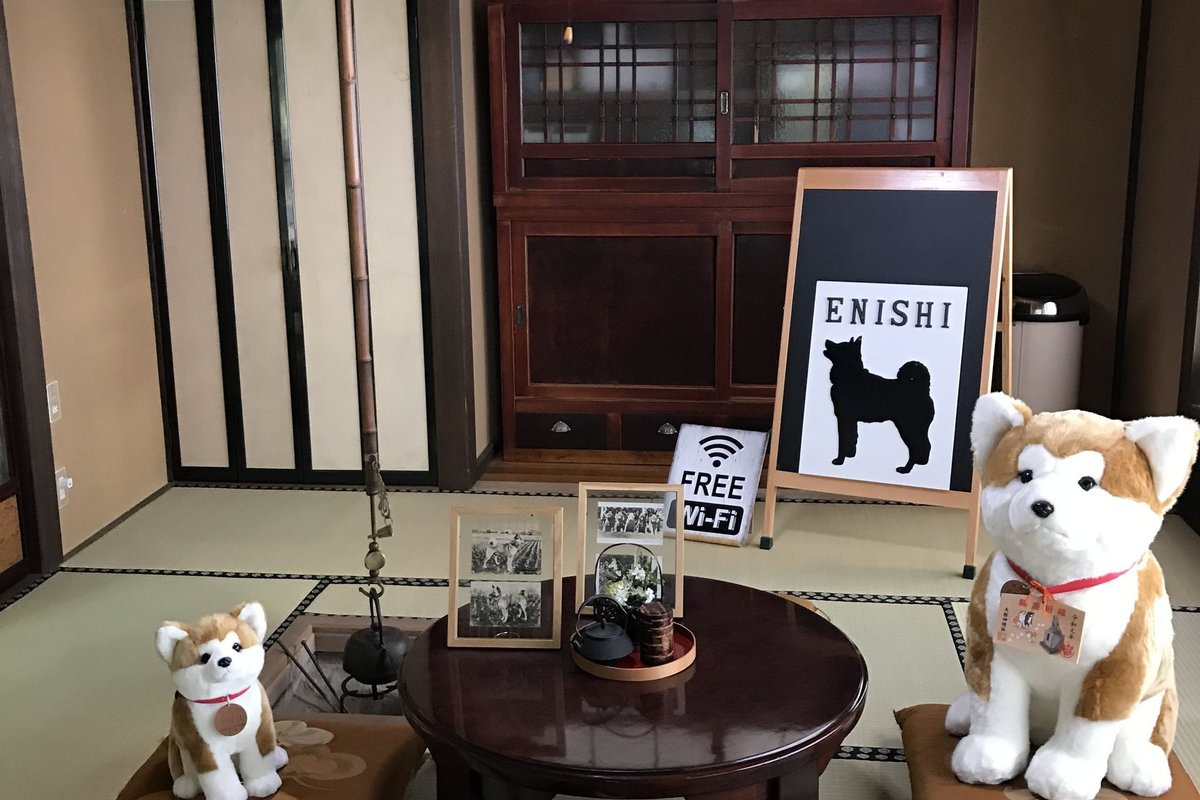
Kakunodate is often called the “Little Kyoto of Tohoku” — but unlike its famous counterpart, it remains gloriously uncrowded even in peak summer. Enishi is a renovated 50-year-old kominka located one minute’s walk from the samurai district’s main street, where resident Akita dogs Suu-chan and Fujiko welcome every guest.
The inn sleeps up to four guests and has been thoughtfully renovated while preserving tatami rooms, wooden ceiling beams, and shared kitchen facilities. Tazawa-ko — Japan’s deepest lake, known for its luminous cobalt-blue color in summer — is a short drive north, and Kakunodate’s own festivals add to the seasonal atmosphere.
- Summer highlights: Cooler Tohoku temperatures; morning walks through the samurai district; Akita dog greeting; Tazawa-ko lake swimming; Kakunodate Shrine summer festivals
- Best for: Couples, solo travelers, history enthusiasts
- Location: 1-minute walk from Kakunodate Samurai District, Akita Prefecture
Halcoya — Wood-Crafted Rural Retreat in Shizukuishi, Iwate
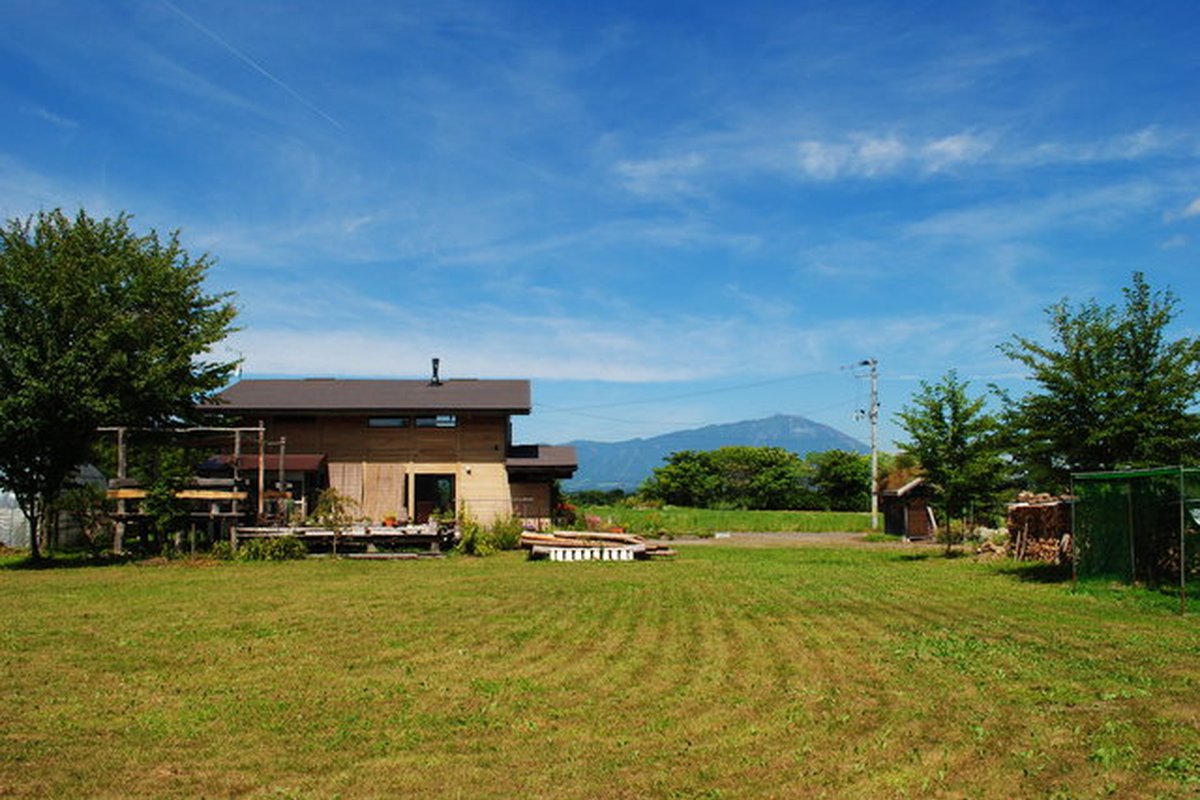
Built entirely from ten species of local Iwate timber — including chestnut, cedar, red pine, and Japanese pagoda tree — halcoya is a host-resident guesthouse that functions as a living gallery of the region’s woodcraft traditions. Guests can identify the different wood grains and textures woven throughout the interior.
The property overlooks Lake Gosho-ko, with Mount Iwate visible on clear mornings. The celebrated Koiwai Farm — one of Japan’s oldest working farms, beloved by Japanese families and photographers alike — is a short drive away. Up to seven guests can stay; the host provides warm local recommendations.
- Summer highlights: Koiwai Farm summer activities; Mount Iwate hiking; Lake Gosho-ko kayaking; Shizukuishi mountain cycling; cool highland air throughout August
- Best for: Families, architecture lovers, nature-focused travelers
- Location: Near Lake Gosho-ko, Shizukuishi Town, Iwate Prefecture
Sea of Japan Kominka — Exclusive Farmhouse Stay, Niigata

Five minutes’ walk from the Sea of Japan coastline, this exclusively-rented kominka in Niigata’s Nishikan district accepts just one group at a time. The house preserves its original tatami rooms and irori sunken hearth while the bathrooms have been completely modernized for comfort.
Summer brings sea swimming at Echizen-hama Beach, sunset cycling along the scenic Echigo Shichiura Seaside Line, and the option to join seasonal harvest activities on the surrounding farmland. The property is also well-positioned for climbing Mount Kakuda, a popular day hike with sweeping Sea of Japan views.
- Summer highlights: Sea of Japan swimming; dramatic westward sunsets; coastal road cycling; seasonal farm harvest experience; fresh Niigata seafood nearby
- Best for: Couples, small groups, travelers combining beach and countryside
- Location: 5-minute walk to Echizen-hama Beach, Nishikan, Niigata
Mori no Kyūka Hana — Alps-View Satoyama House, Komagane, Nagano
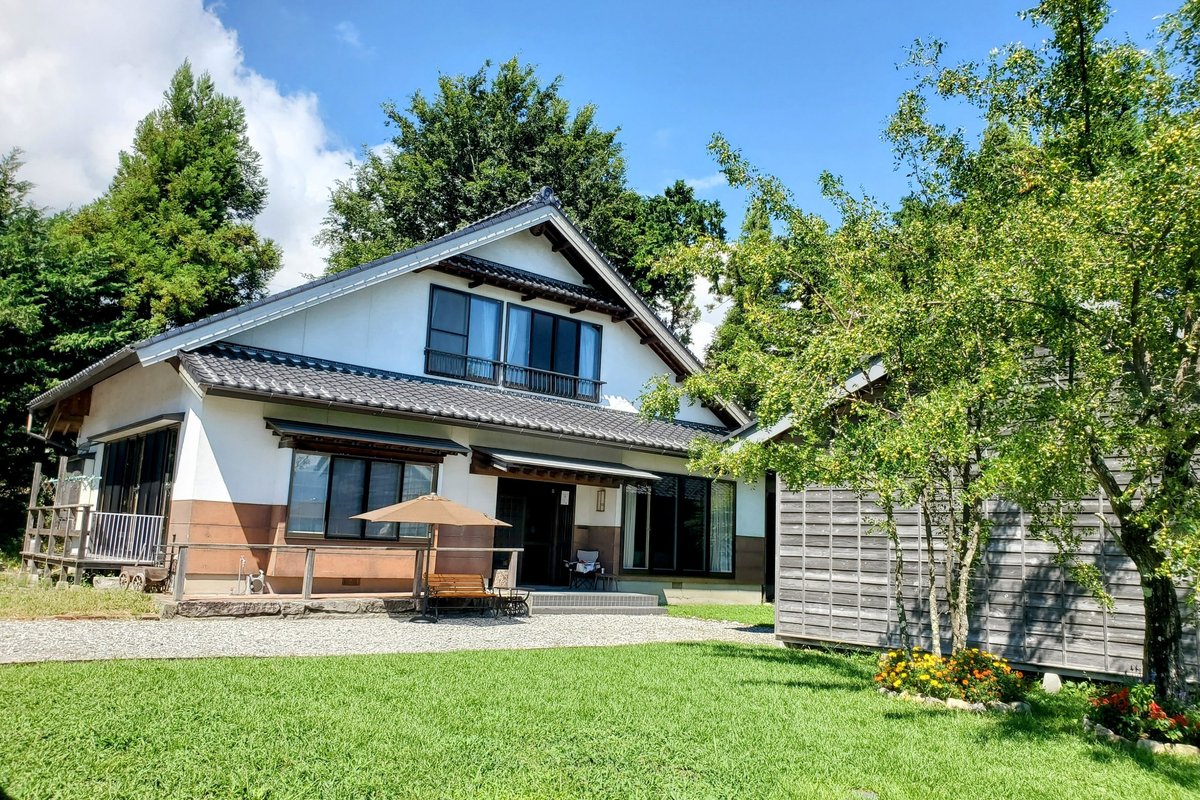
Set on a hillside terrace with panoramic views of the Minami Alps, this spacious traditional house offers an experience that’s hard to match anywhere in Japan: watching the Southern Alps glow at sunset from your own garden fire pit. The property features an irori sunken hearth, a wood-burning stove, a large lawned yard, and tatami bedrooms upstairs.
Up to ten guests can stay — making it ideal for family gatherings or group trips. The host lives on-site and is available for local guidance. Komagane’s Komagatake Rope Way, which climbs to 2,600 meters for summer alpine hiking, is a short drive away.
- Summer highlights: Komagatake Rope Way alpine hiking (1,000m ascent in 7 minutes); evening fire pit under the Alps; irori meals; Sengokiji Temple morning walks; cool highland temperatures
- Best for: Families, groups, outdoor adventure travelers
- Location: Komagane City, Nagano — 2 hours from Nagoya by express bus
Nakajima Farm Stay — World Agricultural Heritage Village, Mima, Tokushima

At 600 meters above sea level in Tokushima’s Nishi-Awa region — recognized by the FAO as a Globally Important Agricultural Heritage System — the Nakajima family’s farmhouse offers two daily meals of regional mountain cuisine alongside hands-on farming experiences. On clear mornings, a sea of clouds fills the valley below the veranda.
This is rural Japan summer travel in practice: you arrive by express train to Anabuki Station (the host provides pickup), spend your days working in the fields or exploring mountain hiking trails, and sit down each evening to a feast of local produce you couldn’t find in any city restaurant. The farm stay experience here is exceptional, and the 24-review, 4.92-point rating reflects it.
- Summer highlights: Sea-of-clouds mornings; farm harvesting experiences; mountain hike access; regional Tokushima cuisine (2 meals included); firefly viewing in surrounding valleys
- Best for: Solo travelers, couples, families wanting authentic farming life
- Location: Mima City, Tokushima — pickup from Anabuki Station available
K-labo — Temple Town Retreat on the Kunisaki Peninsula, Oita
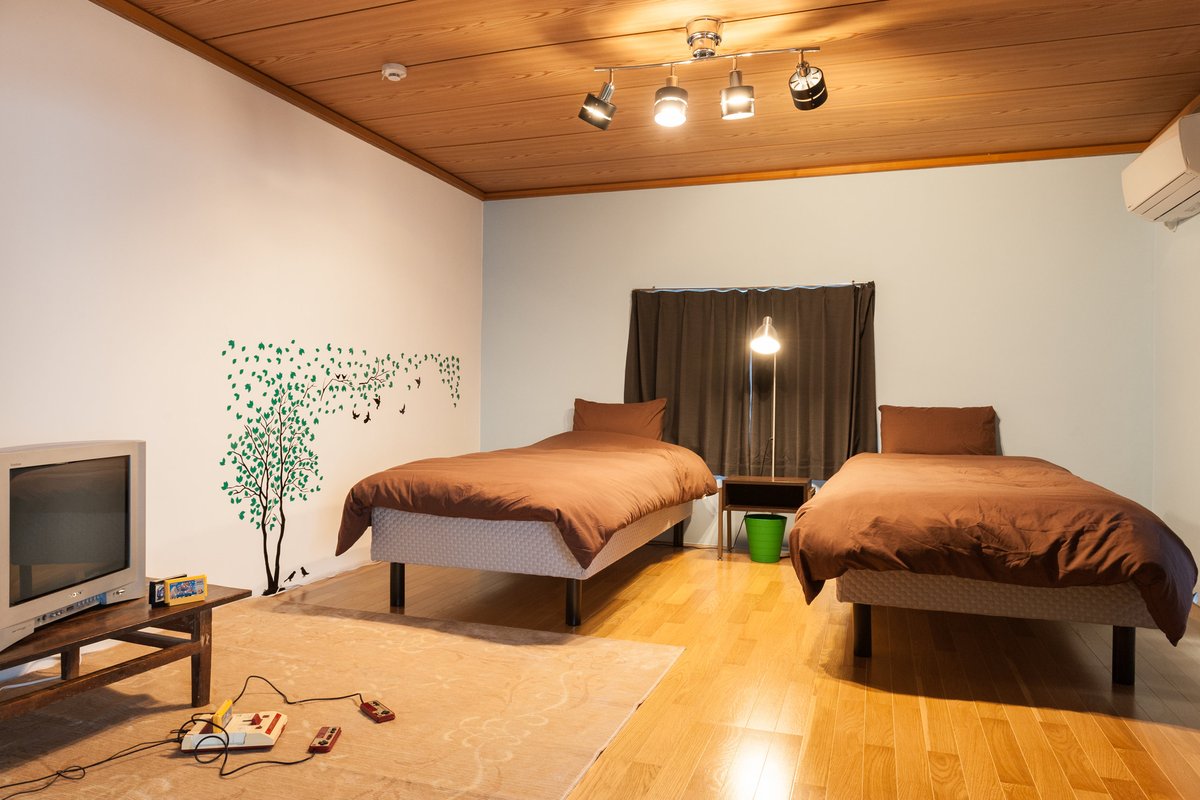
The Kunisaki Peninsula is one of Kyushu’s most spiritually significant landscapes — a thickly forested headland covered in ancient temples, stone-carved Buddhas, and pilgrim hiking trails. K-labo is a renovated townhouse in central Kunisaki City, sleeping up to five guests, with the option of an arranged zazen meditation session at a nearby Buddhist temple.
The location is surprisingly accessible: Oita Airport is 15 minutes by car, and the Beppu onsen area is under an hour away. Yet the atmosphere here couldn’t be further from a tourist crowd. For travelers seeking depth over distance, Kunisaki rewards those who find it. For more on Japan’s unique farm stay options, see our farm stay experience guide.
- Summer highlights: Temple hiking trails through ancient forest; zazen meditation experience; sacred stone carvings (sekibutsu); local onsen access; Kunisaki summer festivals
- Best for: Culture-focused travelers, small groups, spiritual experience seekers
- Location: Kunisaki City, Oita — 15 minutes from Oita Airport
Essential Japan Summer Travel Tips for Rural Areas
Planning a rural summer trip requires slightly more preparation than a city holiday — but the experience is proportionally richer. Here’s what you need to know.
- Book 4–8 weeks in advance. Rural properties have limited availability and often don’t appear on major international platforms. Book directly through STAY JAPAN for the widest selection of authentic rural stays.
- Rent a car. Many countryside guesthouses are not easily accessible by public transport, and the most scenic routes aren’t on bus lines. Rental cars in Japan start around ¥5,000 per day; most navigation systems offer English.
- Plan your arrival before dark. Rural roads can be narrow and poorly lit. Arriving in daylight, especially in mountain areas like Tokushima’s Nishi-Awa or Komagane’s highlands, is both safer and more enjoyable.
- Pack for humidity, not just heat. Even in “cool” Tohoku, July and August bring significant humidity. Lightweight, quick-dry clothing, a compact umbrella, and mosquito repellent are essential.
- Download offline maps. Mobile data coverage in deep rural areas can be unreliable. Download your area in Google Maps or Maps.me before leaving the nearest town.
- Embrace the meals. Many STAY JAPAN hosts offer optional meal plans or can recommend exceptional local restaurants that don’t make it onto food blogs. Rural Japanese cuisine — particularly in mountain villages and farming communities — is some of the most honest, seasonal cooking you’ll find anywhere. If in doubt, say yes to dinner.
Frequently Asked Questions
When is the best time to visit rural Japan in summer?
Late June and the first two weeks of July typically offer the best combination of warm weather, lush green landscapes, and manageable visitor numbers. In August, aim for weekdays and northern regions like Tohoku, which stay significantly cooler than the Pacific coast. Traveling during O-Bon week (mid-August) is possible but expect higher prices and lower accommodation availability even in rural areas.
Is rural Japan safe for international travelers who don’t speak Japanese?
Yes. Japan consistently ranks among the world’s safest travel destinations, and rural areas are no exception. STAY JAPAN properties with English pages have hosts experienced in welcoming international guests. A basic translation app and a few phrases (“sumimasen” / “arigatou gozaimasu”) go a long way in areas with less international visitor exposure.
Can I get around rural Japan without a car?
Some rural properties are accessible via JR Limited Express trains and local buses — Kakunodate (Akita), for example, is served by the Akita Shinkansen. However, for maximum flexibility — especially in Tokushima’s mountain villages, Oita’s Kunisaki Peninsula, or Niigata’s coastal farmhouses — a rental car is strongly recommended.
What’s the difference between a farm stay and a kominka stay in Japan?
A farm stay (nouhaku) typically involves living alongside a farming family, usually with meals and agricultural activities included. A kominka is a traditional Japanese house — often a historic farmhouse — that may or may not be host-occupied or offer farm activities. Many STAY JAPAN properties beautifully combine both elements. For more, see our guides to cool countryside stays this summer and our best Japan summer vacation rentals roundup.
Are rural Japan stays suitable for families with young children?
Absolutely — many STAY JAPAN rural properties are particularly well-suited to families. Properties like Mori no Kyūka Hana in Komagane (which accommodates up to 10 guests and has a large garden with fire pit) and the Nakajima Farm Stay in Tokushima (with included farm activities) offer experiences that children remember for years. Check each property’s guest policy before booking.
Ready to Escape the Crowds?
Japan’s rural summer is one of travel’s great undiscovered experiences — and unlike most “hidden gems,” it’s entirely accessible to independent travelers willing to book directly. Browse all rural summer stays on STAY JAPAN and find your perfect countryside retreat.
→ Browse All Rural Japan Summer Stays →
Related Articles
- Escape the City Heat: 8 Cool Countryside Stays in Japan This Summer →
- Farm Stay Experience in Japan: 3 Nights in Rural Mie →
- Japan Summer Vacation Rentals: Best Countryside Stays for 2026 →
- Kyushu Countryside Stays: 8 Farmhouses & Traditional Houses (2026) →
- Shikoku Off the Beaten Path: Best Rural Stays in Iya Valley (2026) →
- Hokkaido Farm Stay Japan: 6 Authentic Rural Experiences (2026) →
Related Feature Collections
Looking for more inspiration? Browse our curated feature collections: