Tohoku — Japan’s northern heartland, stretching across six prefectures from Aomori to Fukushima — is home to some of the country’s most authentic and least-discovered traditional farmhouses. While Shirakawa-go and Kyoto draw millions, Tohoku’s kominka stays remain genuinely off the tourist map: century-old farmhouses standing in rice valleys, 200-year timber buildings still inhabited by the families who built them, and hosts with real stories to tell.
In 2026, as travelers look beyond crowded Golden Route destinations to experience the real Japan, Tohoku stands out as one of the most compelling — and most underrated — regions for this kind of slow, locally-rooted travel. The seven properties in this guide were selected based on three criteria: consistently high guest reviews, genuine kominka or farm stay character (not resort-style rural hotels), and English accessibility for international travelers. Together, they span five prefectures across the region — from Aomori’s apple country in the north to Fukushima’s Abukuma Highlands in the south.
STAY JAPAN is Japan’s dedicated rural accommodation platform, connecting international travelers with farmhouse and kominka properties that are bookable directly in English. Every property here is English-accessible and publicly reviewed.
Why Choose Tohoku for a Kominka Stay?
Tohoku’s self-sufficient farming culture, shaped by long winters and fertile valleys, produced farmhouses built to last generations — and many have. Several things make the region exceptional for this style of travel:
- Fewer crowds, more genuine hospitality. Tohoku receives a fraction of the international visitors that Kyoto or Hakone do. Hosts here welcome foreign guests as genuine guests, not as a managed demographic.
- Four distinct seasons. Spring brings Tohoku’s famous cherry blossoms (including the weeping cherries at Kakunodate, among Japan’s finest). Summer offers fireflies, festivals, and green valleys. Autumn turns the forest floors deep red and gold. Winter, where properties stay open, brings irori warmth and snow-muffled stillness.
- Exceptional food culture. Tohoku is Japan’s rice bowl, and every farm stay meal reflects it: house-made miso, mountain vegetables, freshwater fish, regional sake, and fruit that city menus rarely feature.
- Accessible from Tokyo. The Tohoku Shinkansen reaches Sendai in under 90 minutes. Regional trains and buses connect most areas from there — though a rental car adds significant freedom, particularly for properties in rural valleys.
What is Kominka?
A kominka (古民家) is a traditional Japanese farmhouse, typically built between the Edo period (1600–1868) and early Showa era. Defining features include wide earthen entrance floors (doma), heavy post-and-beam timber frameworks, and irori — the open hearth at the center of daily life.
For a full introduction to kominka architecture, culture, and what to expect as a guest, read our complete guide: What is Kominka? A Guide to Staying in a Traditional Japanese Farmhouse.
Our Top 7 Kominka Picks in Tohoku
Price guide: $ = under ¥10,000/person/night · $$ = ¥10,000+/person, or includes 2 full meals. All prices are indicative based on listed rates — check the booking page for current availability and pricing.
1. Hutte Momo — Marumori, Miyagi
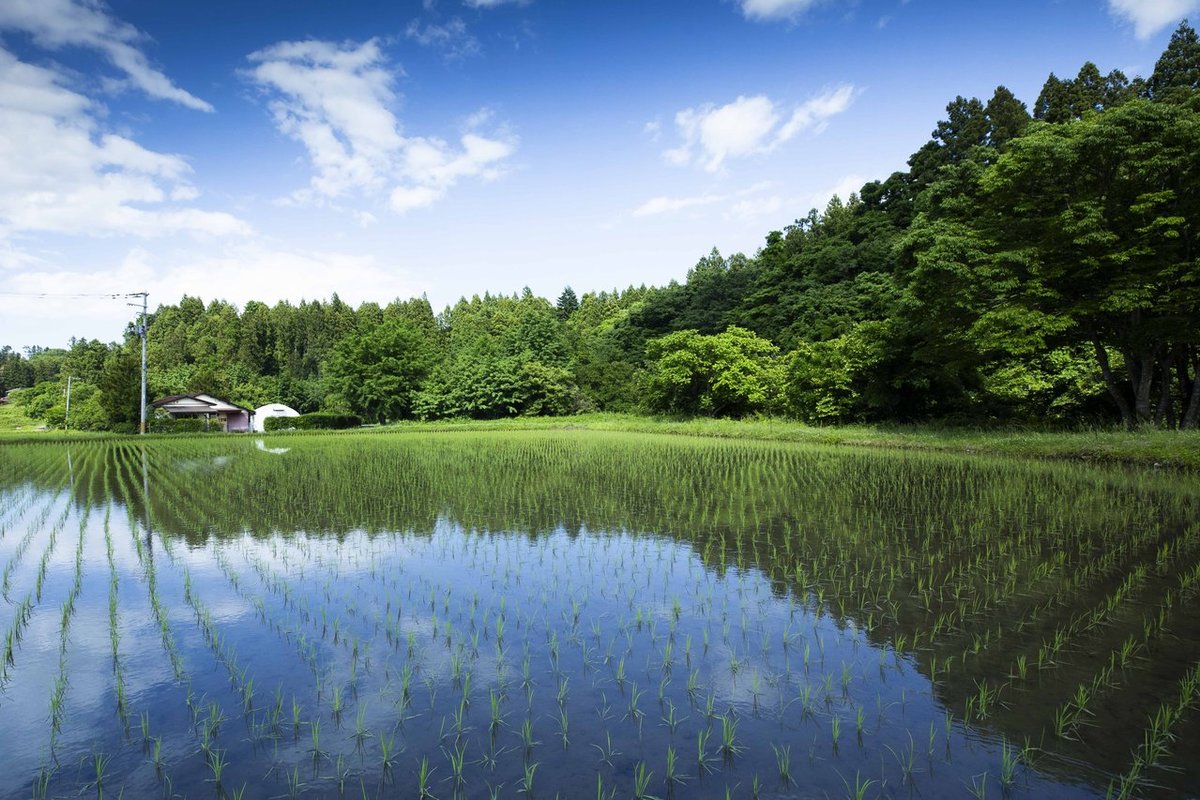
Tucked into the satoyama countryside of Marumori, southern Miyagi, Hutte Momo is one of Tohoku’s most consistently celebrated rural stays. The host spent years living and working in Switzerland before returning to this farmhouse property, and the fusion of Swiss mountain hospitality with Tohoku farmhouse life is unexpectedly perfect — home cooking built around local ingredients, served with wine or regional sake, in a setting of fields and clear-running water.
In early summer, fireflies fill the evening air along the property stream. Clear nights bring the Milky Way without a city light in sight. In autumn, the surrounding woodland turns gold and the satoyama pace slows even further. This is a 1-group-only property — the place is entirely yours.
Getting there: Transfer available to and from Marumori Station (Abukuma Express line). Approx. 1.5 hrs from Sendai by train.
Seasonal highlights:
- Spring: Satoyama wildflowers; quiet countryside before the summer crowd
- Summer (June–July): Firefly season directly on the property; Milky Way stargazing
- Autumn: Woodland foliage; harvest-season Swiss-Japanese cuisine
- Year-round: 1-group-only private booking; Swiss home cooking with local produce
Best for: Couples, small groups of friends, nature lovers, foodies
Location: Marumori, Miyagi Prefecture
Price: $$ · From ¥10,400 per person/night (entire property, 2–6 guests, meals included)
2. Iori Farmstay — Kakunodate, Akita
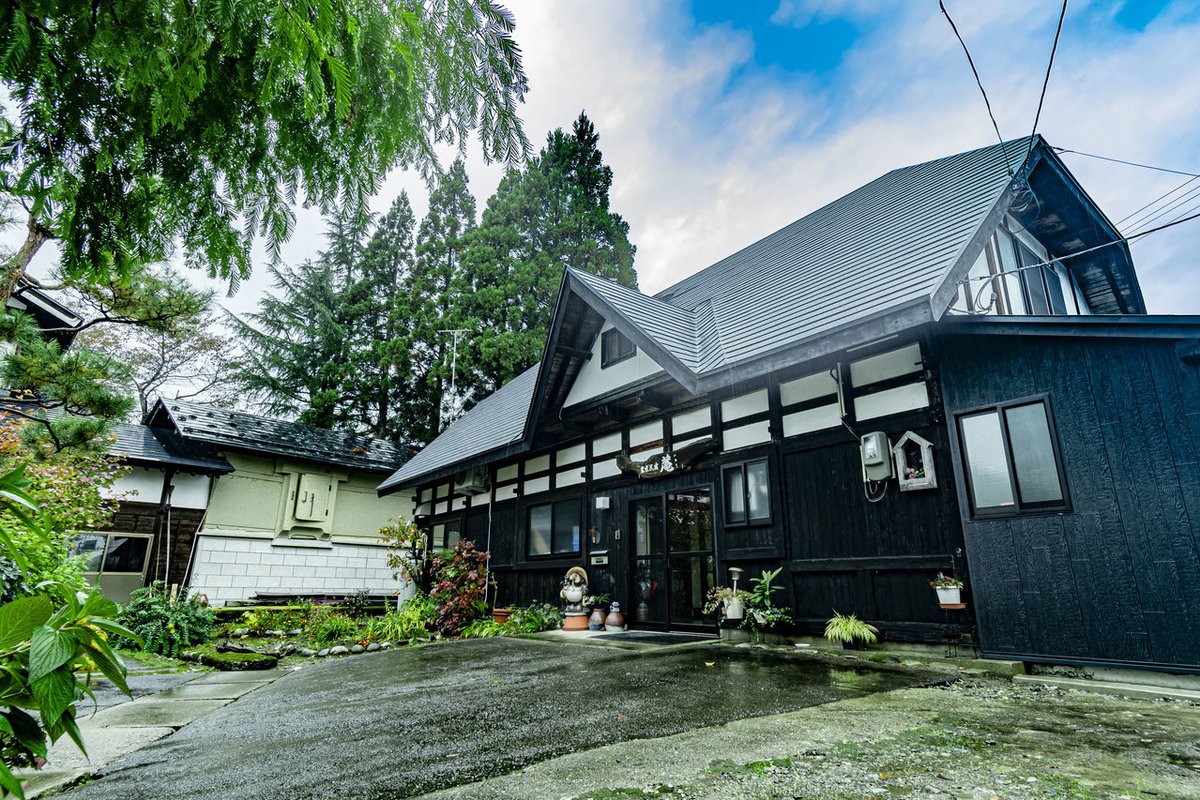
Set just minutes from Kakunodate’s famous samurai district — one of the best-preserved bukeyashiki streets in Japan — Iori Farmstay offers a private kominka annex surrounded by rice paddies and mountain views. The name iori (融) means “hermitage,” and the setting earns it: earthen walls, heavy timber beams, and rice fields unrolling toward distant hills.
Kakunodate is best known for its weeping cherry trees in spring, but the town is worth visiting in every season. In summer, the paddies fill with deep green. Autumn turns the surrounding forest vivid red. Nearby Tazawa Lake — Japan’s deepest lake at 423 meters — offers hiking and water activities for those who want to extend the trip. This is a 1-group-only rental: the kominka annex is yours alone.
Getting there: Kakunodate Station (JR Tazawako Line) is accessible from Akita or Morioka. Property is approx. 5 min by car from the station. The host may be able to arrange pick-up — inquire at booking.
Seasonal highlights:
- Spring: Kakunodate’s weeping cherry blossoms (one of Japan’s top cherry blossom spots)
- Summer: Rice paddy views; day trips to Tazawa Lake
- Autumn: Forest foliage; quiet countryside with few visitors
- Year-round: Private single-group rental; steps from Kakunodate’s samurai district
Best for: Couples, families, history enthusiasts
Location: Semboku City (Kakunodate area), Akita Prefecture
Price: $ · From ¥7,793 per person/night (entire property, 2–4 guests, meals included)
3. Guest House Kadarube — Goshogawara, Aomori
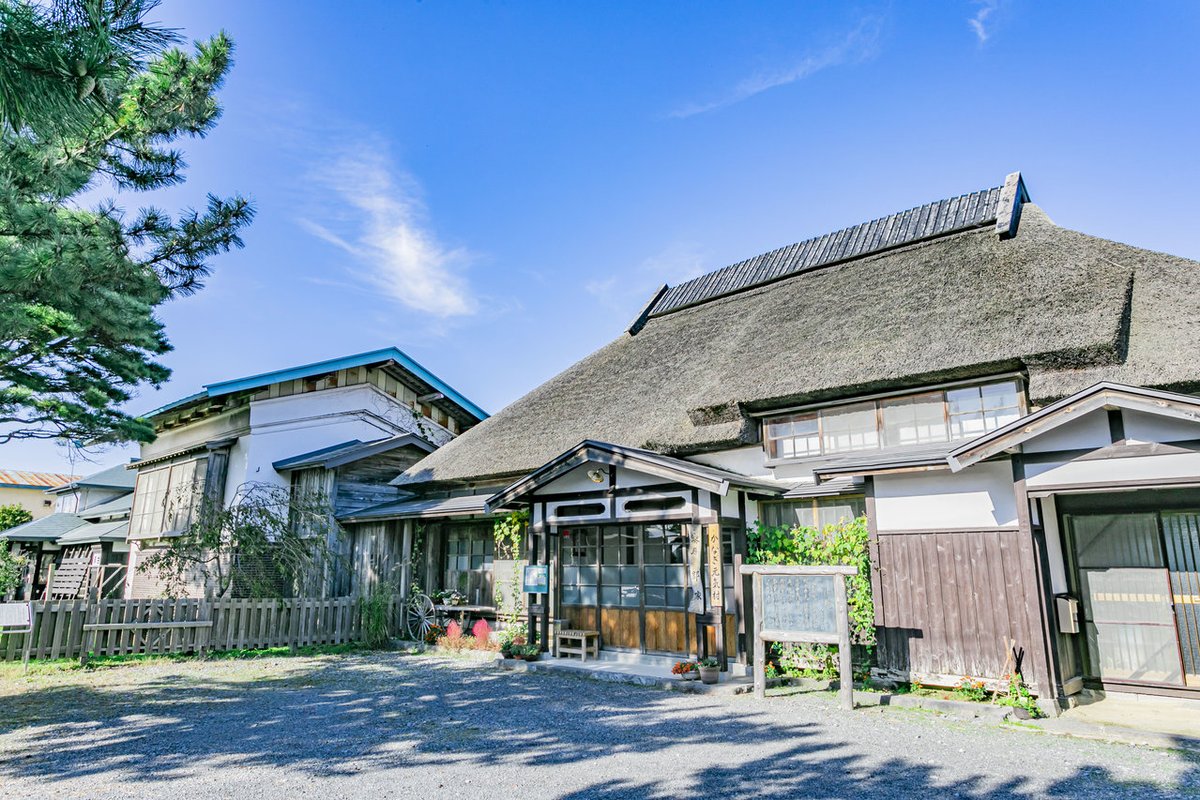
This 150-year-old thatched farmhouse in the Kanagi district of Goshogawara City carries a remarkable piece of Japanese literary history. The novelist Osamu Dazai — author of No Longer Human (人間失格, 1948), one of the best-selling Japanese novels of the twentieth century and still widely read internationally — was born in nearby Kanagi in 1909. As a young man, he frequently visited this farmhouse, sitting by the irori and sharing sake with the family who lived here. Letters, photographs, and period artifacts from the Dazai era are still on display.
The property also sits in the heartland of Tsugaru shamisen culture — Goshogawara is among the regions where this raw, percussive string tradition was born, and performances are possible to seek out locally. The space accommodates up to ten guests, making it one of the larger kominka options in Tohoku: well suited for group trips that want a genuinely story-rich setting.
Getting there: JR Goshogawara Station → local bus or taxi to Kanagi (approx. 20 min). Rental car recommended for flexibility.
Seasonal highlights:
- Spring/Summer: Apple blossom season (Aomori is Japan’s top apple-producing prefecture); green rural countryside
- Summer (August): Goshogawara’s Tachineputa Festival — towering illuminated floats, one of Tohoku’s most distinctive festivals
- Autumn: Apple harvest season; Aomori’s autumn foliage
- Year-round: Osamu Dazai literary connection; Tsugaru shamisen cultural setting; 10-guest capacity for groups
Best for: Literature enthusiasts, large groups, cultural travelers
Location: Goshogawara (Kanagi district), Aomori Prefecture
Price: $ · Large group rates for up to 10 guests (meals included — see booking page for current pricing)
4. Koya Yauemon — Tono, Iwate
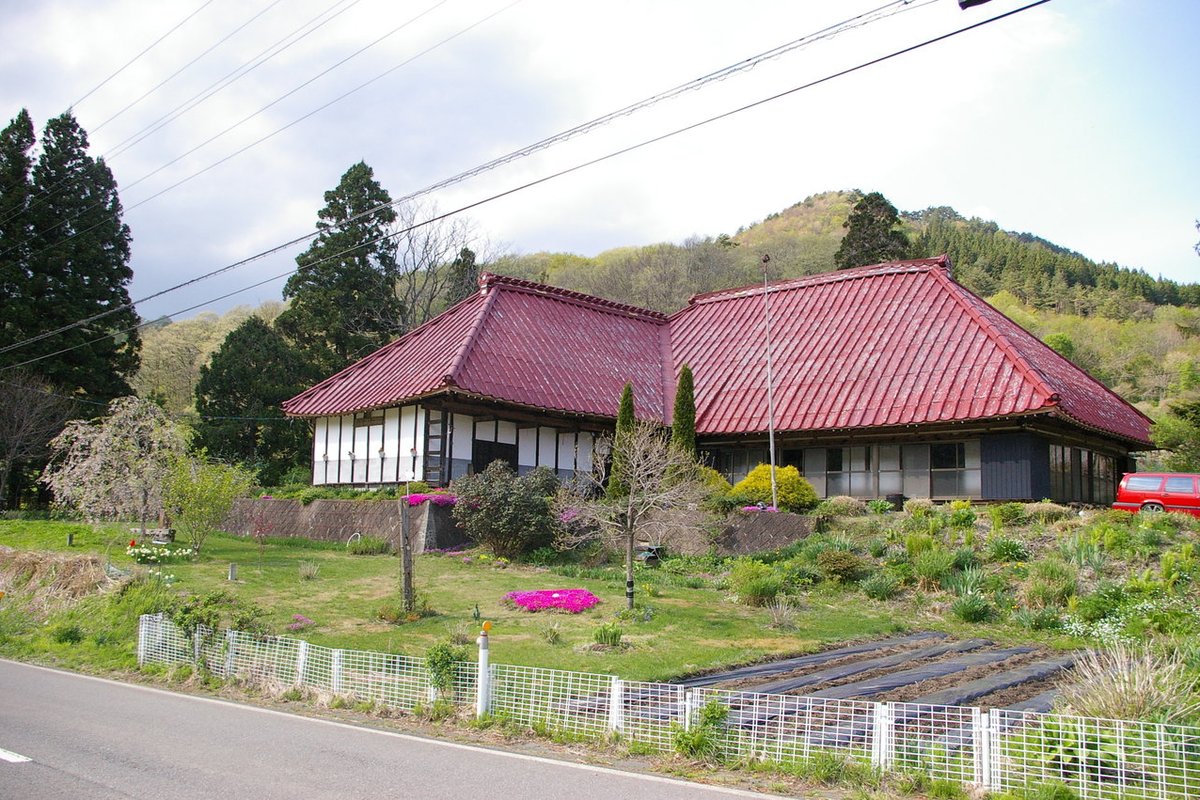
Tono is Japan’s folklore capital — the city whose oral traditions of kappa river spirits, horse spirits, and ancestral presences were collected by folklorist Kunio Yanagita in The Legends of Tono (遠野物語, 1910), a work that shaped modern understanding of Japanese folk belief. Koya Yauemon, a 200-year-old magariya farmhouse in the heart of Tono, puts you as close as possible to that world.
The magariya is an architectural form unique to the Nanbu region of southern Iwate: an L-shaped structure where family quarters and horse stable join under a single roof. At Koya Yauemon, the original structure is intact — wide earthen floors, heavy timber ceilings, and the particular stillness of a building that has absorbed generations of daily life. The host relocated from Sendai specifically to preserve and share it.
Note: Koya Yauemon closes from November through mid-April. Plan a spring, summer, or autumn visit.
Getting there: JR Kamaishi Line, Tono Station. From Shin-Hanamaki (Shinkansen stop), transfer at Hanamaki to Kamaishi Line — approx. 1 hour to Tono. Property is a short taxi ride from Tono Station. Rental car recommended for exploring the surrounding area.
Seasonal highlights:
- Spring (late April–May): Rural Tono landscape emerges from snow; local wildflowers
- Summer: Green valleys; access to folklore sites (Denshoen, Fukusen-ji, Gohyaku Rakan)
- Autumn: Deep foliage season; harvest atmosphere
- Closed November–mid-April
Best for: Cultural travelers, history lovers, solo adventurers
Location: Tono, Iwate Prefecture
Price: $ · From ¥9,100 per person/night
5. Kitekuneya Farm Stay — Hanamaki, Iwate
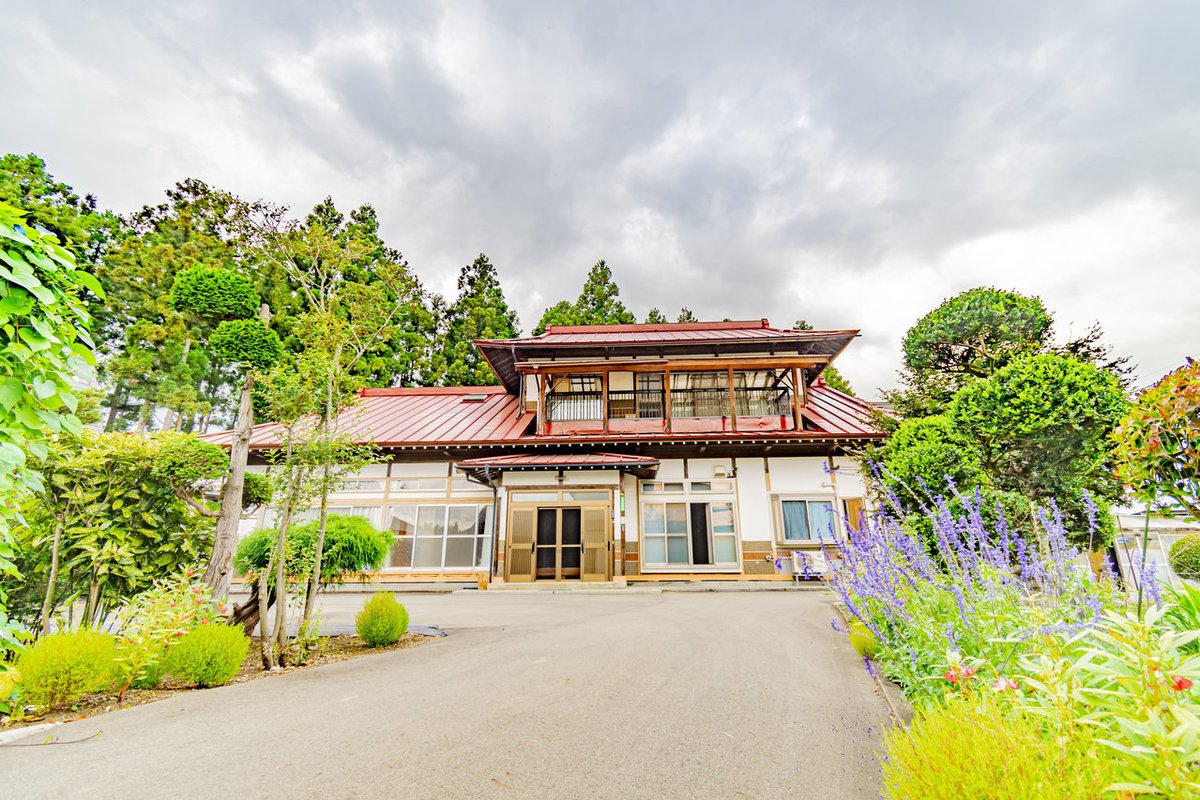
Hanamaki is the hometown of Kenji Miyazawa — poet, agrarian philosopher, and author of Night on the Galactic Railroad (銀河鉄道の夜, written ca. 1934), a work that has quietly shaped decades of Japanese animation, literature, and design, and remains one of the most translated Japanese children’s works worldwide. The city takes its relationship with nature and farming seriously, and Kitekuneya (“Please Come Visit Us” in Iwate dialect) embodies that culture entirely.
Retired farmers welcome guests into their working agricultural home. Pesticide-free vegetables travel from the garden to the table. Meals showcase the region’s food culture: house-made miso, river fish, mountain vegetables, and the day’s harvest. The hosts’ knowledge of Kenji Miyazawa’s world — the museums, natural landscapes, and sites his poetry celebrates — makes this a natural base for literary travel in Iwate.
Getting there: JR Hanamaki Station, approx. 10 min by car. The host can advise on transportation from the station — inquire at booking.
Seasonal highlights:
- Spring: Farm planting season; rice paddy preparation; local cherry blossoms
- Summer: Peak harvest of summer vegetables; lush Hanamaki countryside
- Autumn: Harvest season; Miyazawa Kenji Festival (late October in Hanamaki)
- Winter: Home-cooked warming meals; quieter, more personal stays
Best for: Families, food-focused travelers, literary travelers
Location: Hanamaki, Iwate Prefecture
Price: $ · From ¥9,091 per person/night (meals included)
6. Kuri No Ki Farm Stay — Semboku, Akita
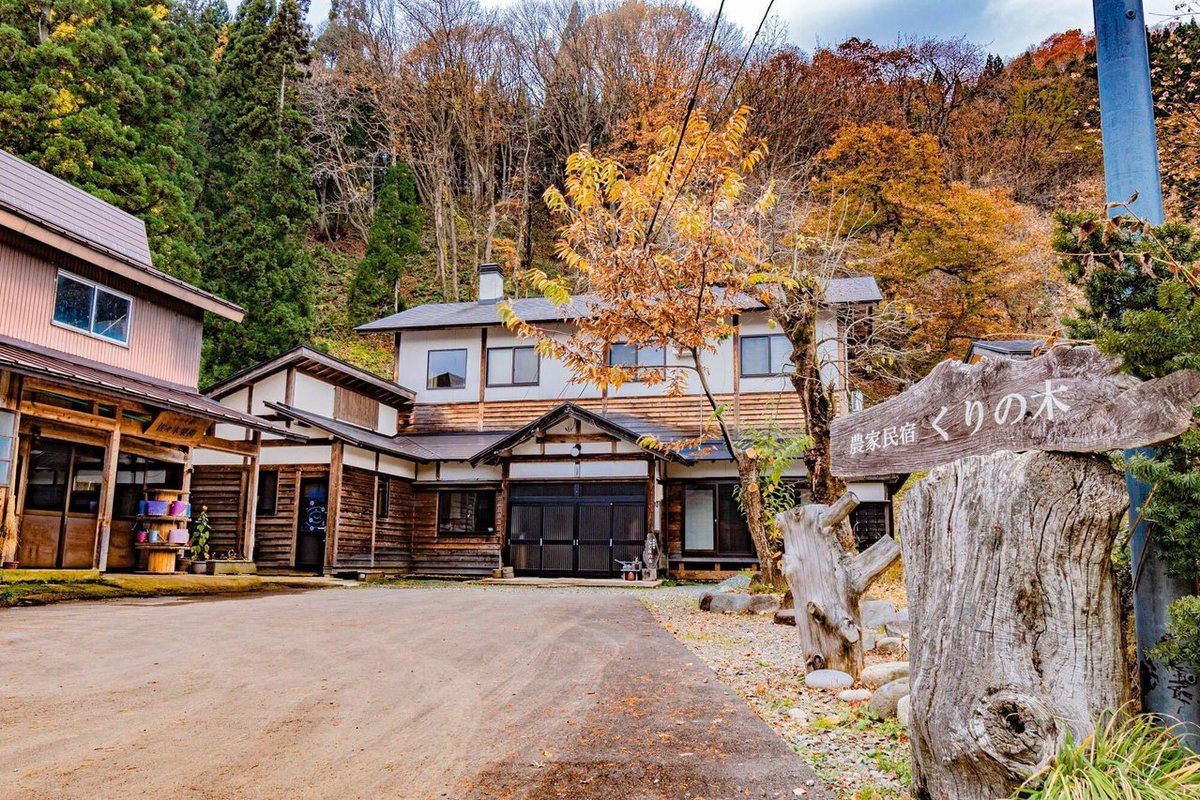
Kuri no ki means “chestnut tree,” and this Semboku farm stay is organized around one of Akita’s most distinctive agricultural legacies: the Saimyoji chestnut (Saimyoji kuri), the largest native chestnuts in Japan. For centuries, these oversized nuts were presented as tribute offerings to regional lords. Staying here means sleeping on the land where they’ve been cultivated across that history.
The property is a 1-group-only farm stay with two meals included. The Akita Nairiku scenic railway passes nearby, and watching a local train move through the mountain landscape is one of those understated pleasures that stays with you. The hosts regularly welcome student farming groups and bring that same hands-on, educational generosity to individual guests.
Getting there: Akita Nairiku Jukan Railway, Kakunodate Station area. From Akita Station by Shinkansen, transfer to Akita Nairiku line. Rental car provides the most flexibility for reaching the property.
Seasonal highlights:
- Spring: Dogtooth violet (katakuri) bloom across the chestnut grove; farm planting season
- Summer: Deep green countryside; farm activity season; hands-on agricultural experiences
- Autumn: Saimyoji chestnut harvest — the main event; warm, fragrant farm atmosphere
- Winter: Snow country stillness; irori warmth; hot pot meals
Best for: Families, agricultural enthusiasts, slow travelers
Location: Semboku City, Akita Prefecture
Price: $$ · From ¥12,400 per person/night (entire property, 2–5 guests, 2 meals included)
7. 140-Year-Old Traditional House — Ishikawa, Fukushima
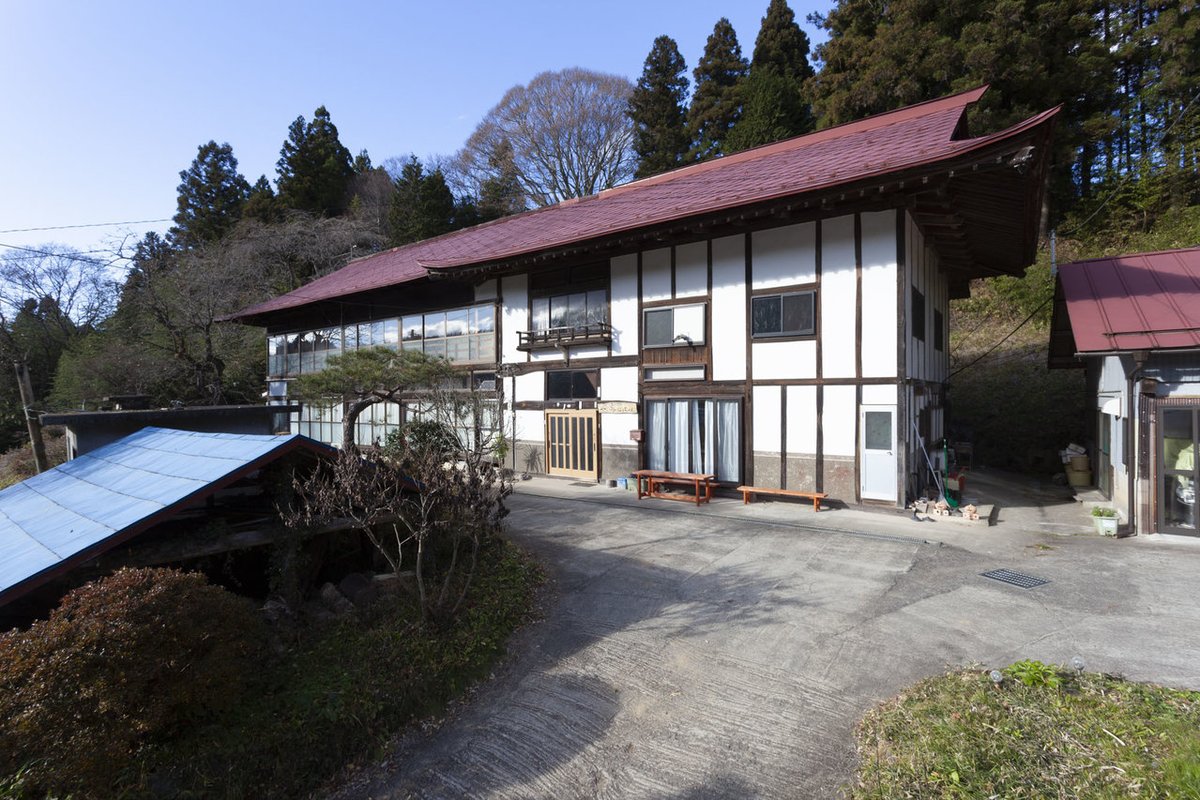
In the southern reaches of Tohoku, Fukushima’s Ishikawa district holds a countryside that most travelers never reach. This 140-year-old kominka is built around a dark, heavy-beamed interior that has sheltered generations of the same family. The thick timber posts and blackened ceiling planks speak of 140 years of meals, seasons, and ordinary evenings accumulated under one roof.
The host runs a farm garden cafe alongside the inn, and meals here are the kind that stay with you: slow-simmered local vegetables, house-made fermented preserves, hand-ground sesame, rice from the family’s own paddies. The cooking is not a selling point — it is simply how this household has always eaten. Fukushima’s Abukuma Highlands, where Ishikawa sits, offer rolling hills, clear rivers, and summer wildflowers for travelers willing to explore beyond the Tohoku mainline.
Getting there: JR Suigun Line, Ishikawa Station. From Kooriyama (Tohoku Shinkansen stop), approx. 30 min by local train. A rental car helps explore the surrounding Abukuma Highlands.
Seasonal highlights:
- Spring: Satoyama wildflowers; gentle Abukuma countryside
- Summer: Wildflower meadows; cool highland air; locally grown summer vegetables
- Autumn: Abukuma Highlands foliage; chestnut and mushroom season
- Winter: Irori warmth; fermented and preserved winter cuisine
Best for: Foodies, history lovers, couples, small families
Location: Ishikawa, Fukushima Prefecture
Price: $$ · From ¥14,168 per person/night (2 meals included)
Tips for Booking Your Tohoku Kominka Stay
- Ask about pick-up service. Many rural kominka hosts offer transfers from the nearest station for a small fee or as a courtesy — but it’s rarely advertised upfront. Email your host after booking to ask. Hutte Momo, for example, offers a transfer to and from Marumori Station.
- Don’t assume a taxi will be waiting. Unlike Tokyo or Kyoto, rural Tohoku stations — including those near Tono, Kanagi (Goshogawara), and Ishikawa — typically have no taxis standing by at the curb. Ride-sharing apps such as GO or Uber have little to no coverage in these areas. If your host doesn’t offer a pick-up, ask them in advance to recommend a local taxi company, or call ahead to book one. Alternatively, the tourist information desk at the station can usually help arrange a taxi on arrival.
- Renting a car: worth it, but plan ahead. A rental car dramatically expands what’s possible in Tohoku. However, rural roads can be narrow, navigation apps switch to Japanese in remote areas, and not all international licenses are accepted without a Japanese translation (JAF can provide one). Confirm your license requirements before arrival.
- Book early for summer festivals. Tohoku’s major summer festivals — Aomori Nebuta (early August), Akita Kanto (early August), Sendai Tanabata (early August) — fill accommodation weeks or months in advance. For properties near these events, book as early as possible.
- Check seasonal closures. Koya Yauemon in Tono closes November through mid-April. Always confirm operating season before booking.
- Plan for two nights minimum. One night at a kominka can feel rushed. Two nights lets you settle in, explore the surrounding area properly, and have the kind of conversation with your host that makes rural Japan memorable.
- Communicate dietary needs in advance. Most kominka meals are fixed menus built around local produce. Hosts are generally accommodating — message ahead if you have restrictions.
- Carry cash. Rural Tohoku has limited ATM access. Withdraw yen in a city before heading into the countryside.
- Pack for old-house winters. Traditional kominka are beautiful in the snow, but insulation is minimal compared to modern hotels. If visiting between December and March, pack heavy layers and thick socks for indoor wear.
Frequently Asked Questions
Q: How do I book a kominka stay in Tohoku through STAY JAPAN?
A: Click the “View & Book” link next to any property above. You’ll go directly to the property’s English booking page on STAY JAPAN, where you can check availability, select your dates, and confirm. All properties listed here are available in English.
Q: What is the best season to visit Tohoku for a kominka stay?
A: Each season has distinct appeal. Spring (April–May) brings Tohoku’s famous cherry blossoms — Kakunodate’s weeping cherries are among Japan’s finest. Summer (June–September) offers fireflies, green valleys, and major festivals. Autumn (October–November) is Tohoku’s peak foliage season. Winter stays (December–March) are available at some properties and offer a completely different atmosphere — snow-muffled silence, irori warmth, and deeply seasonal home cooking. Note that some properties, including Koya Yauemon in Tono, close during winter.
Q: How is a kominka stay different from a ryokan?
A: A ryokan is a professional inn with trained staff and formal service. A kominka stay is more intimate — you’re typically the only guests, hosted by the building’s owner, and the experience feels like staying in someone’s home rather than a facility. Meals are home-cooked, not kaiseki. The atmosphere is personal, not transactional. For more, read: Traditional Japanese House Stay: 8 Kominka & Countryside Stays.
Q: Is Tohoku accessible for international travelers who don’t speak Japanese?
A: Yes. All properties listed here are bookable in English through STAY JAPAN. The Tohoku Shinkansen is straightforward to use with an IC card or JR Pass. For rural areas, a pocket Wi-Fi device and Google Maps work reliably. Rural hosts throughout the region have experience receiving international guests and are typically very welcoming.
Browse all available rural properties across Tohoku at STAY JAPAN.
Related Articles:
- What is Kominka? A Guide to Staying in a Traditional Japanese Farmhouse
- Japan Summer Vacation Rentals: Best Countryside Stays for 2026
- Traditional Japanese House Stay: 8 Kominka & Countryside Stays
- Kyushu Countryside Stays: 8 Farmhouses & Traditional Houses (2026)
Related Feature Collections
Looking for more inspiration? Browse our curated feature collections: