Japan offers two kinds of travel. There’s the kind most visitors know — bullet trains, temple circuits, ryokan. And then there’s nouhaku (農泊): staying with Japanese farming families, waking to the sound of roosters, pulling vegetables from the soil before breakfast, and sharing a table that tells the whole story of the land you’re standing on.
Nouhaku isn’t just accommodation. It’s an immersion into Japan’s agricultural heartbeat — the rice paddies, the apple orchards, the tea hills, the mushroom forests. Officially recognized and supported by Japan’s Ministry of Agriculture, Forestry and Fisheries, nouhaku connects international visitors with rural communities that have shaped Japanese culture for thousands of years.
Through STAY JAPAN, you can discover authentic nouhaku stays across the country — from organic farms beneath the Iwate mountains to century-old farmhouses on the Noto Peninsula. These aren’t hotels. They’re the living rooms of rural Japan, and they’re open to you.
Table of Contents
What Is Nouhaku? Understanding Japan’s Agricultural Stay Tradition
The word nouhaku combines 農 (nou), meaning “agriculture,” and 泊 (haku), meaning “overnight stay.” At its simplest, it means spending the night at a working farm or rural community. In practice, it goes far deeper.
Japan’s nouhaku movement grew from a recognition that rural communities were shrinking, and that urban and international visitors were hungry for a more grounded kind of travel. To address this, Japan’s Ministry of Agriculture, Forestry and Fisheries (MAFF) established a national framework to promote agricultural stays, encouraging local farming communities to open their homes and land to visitors as part of a broader rural revitalization effort.
Today, nouhaku experiences span the full breadth of Japanese agriculture. You might help plant rice in spring, pick apples in autumn, harvest summer vegetables at dawn, or learn miso-making alongside a farming family in winter. Some stays are on active organic farms where the host grows your dinner. Others are in centuries-old thatched-roof farmhouses where the same family has worked the land for generations.
What connects every nouhaku experience is a philosophy: rural Japan deserves to be lived, not just photographed.
For a deeper look at the traditional architecture found at many nouhaku properties, read our guide to What Is a Kominka? A Complete Guide to Traditional Japanese Farmhouse Stays.
What to Expect from Your Nouhaku Experience
Every nouhaku stay is shaped by the host’s farm and the season. That said, most visits share certain qualities:
Hands-on agricultural participation. Hosts typically offer seasonal activities — rice planting, vegetable harvesting, fruit picking, tea processing, miso making. Participation is usually optional but almost always memorable.
Farm-to-table meals that go beyond “local.” Nouhaku meals are the experience. Your host may serve rice they grew themselves, fish caught that morning, fermented vegetables from their cellar, and mountain herbs gathered from the hillside. These are family dinners — and you’re invited.
A deliberately slow pace. Nouhaku is designed for deceleration. There are no itineraries handed to you. You follow the rhythm of the farm: early mornings, outdoor work, communal meals, and clear rural evenings. The lack of agenda is the agenda.
Real community connection. Unlike most tourism, nouhaku places you in genuine contact with people who have lived and worked the same land for generations. Conversations across a farmhouse dinner table — even with limited shared language — tend to become trip highlights.
Wondering how nouhaku compares to other Japanese accommodation styles? See our guide Japan Farm Stay vs Ryokan: Which Is Right for You?
What Makes STAY JAPAN Different?
STAY JAPAN is Japan’s specialist platform for authentic rural and agricultural stays — curating properties that meet a high standard for cultural depth, local connection, and guest experience.
- Verified, locally rooted hosts: Every property is reviewed for authenticity and hospitality quality, not just listing completeness
- English-supported listings: Property pages, booking, and guest support are available in English as well as Chinese (Traditional and Simplified)
- Nationwide agricultural coverage: From Tohoku’s rice country to Kyushu’s tea highlands — nouhaku across Japan’s full agricultural range
- Seasonal stay matching: Browse by season and activity type to find the stay that aligns with your travel dates
- Harvest experience stays curated: Explore STAY JAPAN’s dedicated Harvest Experience Stays collection for properties centered on agricultural activities
- Community-first mission: STAY JAPAN works directly with rural hosts to support the long-term vitality of Japan’s farming communities — your booking makes a direct difference
Our Top 6 Nouhaku Stays in Japan
Griss Farm Inn — Shizukuishi, Iwate (Tohoku)
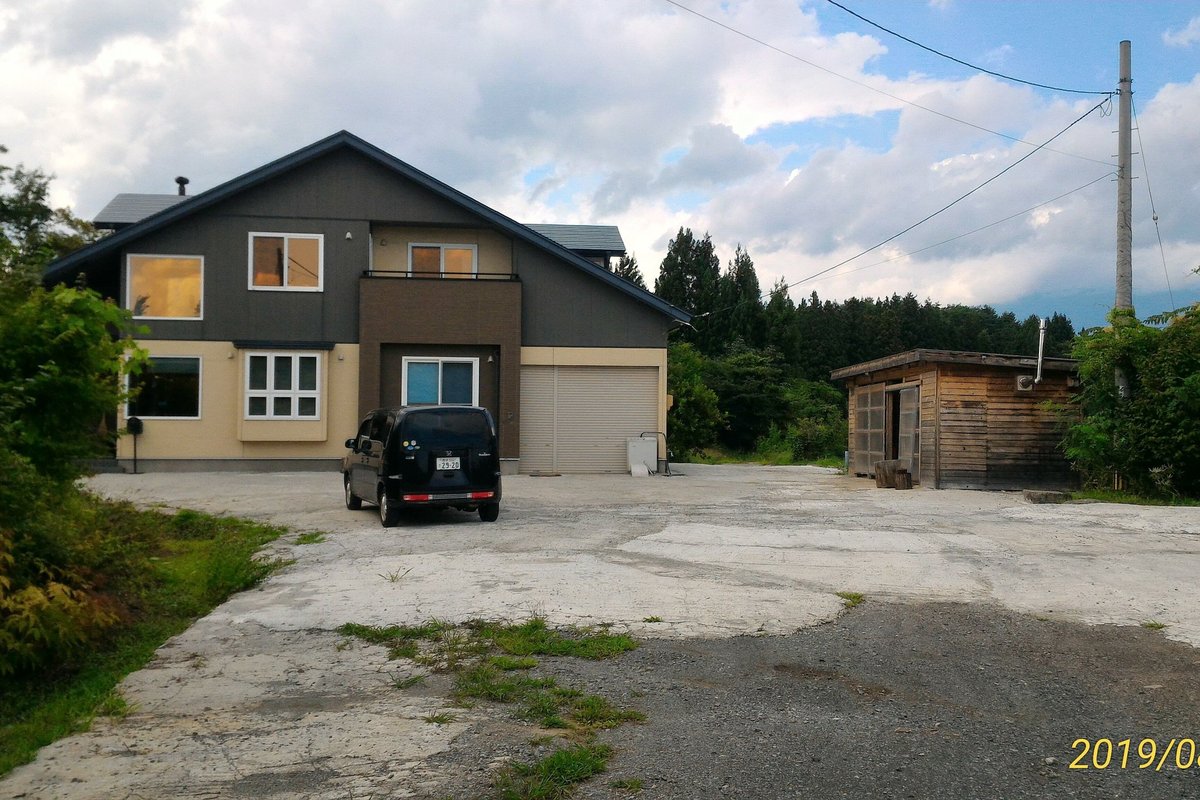
Beneath the commanding silhouette of Mt. Iwate — one of Tohoku’s most iconic peaks — Griss Farm Inn has operated as a certified organic vegetable farm for 27 years. The owners relocated from Morioka city to plant roots in Shizukuishi, and today they welcome guests to an experience built entirely around what grows in their fields. Dinner is a full organic course — a quiet, genuine statement about what serious farming produces.
Miso-making workshops and wood-fired pizza sessions are available using ingredients from the farm. A natural hot spring is a short drive away, offering the classic Tohoku combination of farm work and deep relaxation.
- Farm highlights: Organic vegetables, full-course organic dinner, miso-making, wood-fired pizza baking
- Best for: Farm-focused travelers, couples, small groups seeking authentic Tohoku
- Location: Shizukuishi Town, Iwate Prefecture | Up to 9 guests | From ¥10,500/night (base rate — check listing for group pricing)
- Access: ~30 min from Morioka by local train (JR Tazawako Line) or car. From Tokyo: ~2.5 hours via Shinkansen to Morioka. Car recommended for local exploration.
- Host’s Language: Japanese (translation app recommended)
For more stays in northern Japan, see our guide to Kominka Stays in Tohoku.
Satoyama Farm Stay — Izumozaki, Niigata
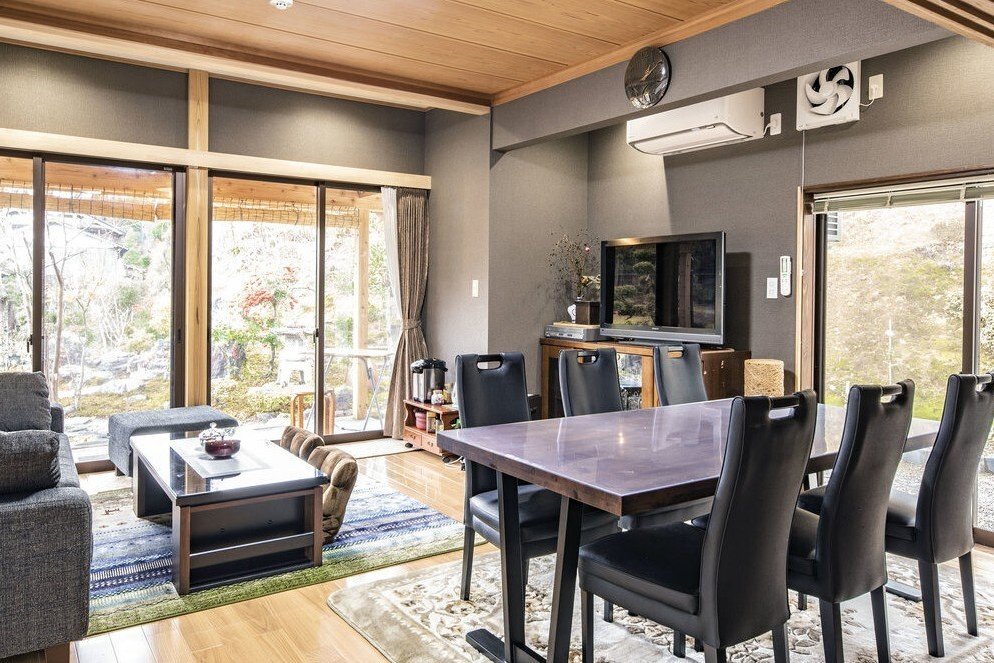
Three generations of the same family have grown Koshihikari rice in Izumozaki — a coastal town in Niigata celebrated for its Sea of Japan views and deep agricultural heritage. At Satoyama Farm Stay, the meals are an education: estate-grown Koshihikari rice, seasonal vegetables from their own fields, and fresh local seafood that arrives on your plate with the minimum of delay from the sea.
A Japanese garden with koi carp offers an unexpected elegance on a working farm. Groups of six or more can book the entire property.
- Farm highlights: 3-generation Koshihikari rice farm, seasonal vegetables, fresh local seafood, Japanese koi garden
- Best for: Rice culture enthusiasts, groups, families seeking authentic coastal Niigata
- Location: Izumozaki Town, Niigata Prefecture | Up to 7 guests | From ¥10,036/night (base rate — check listing for details)
- Access: Car recommended. ~1.5 hours from Tokyo via Shinkansen to Nagaoka, then ~30 min by car.
- Host’s Language: Japanese (translation app recommended)
Seihoen Apple Farm Stay — Numata, Gunma
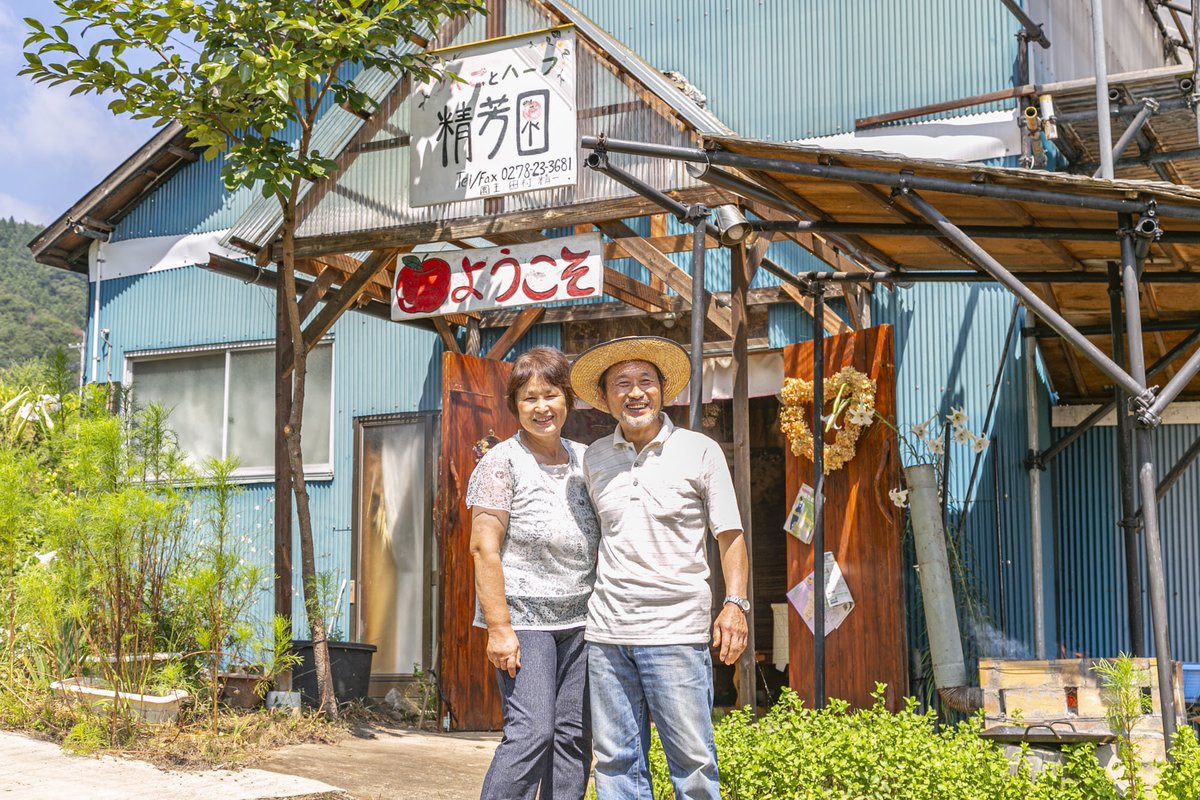
In the cool mountain air of Numata, Gunma, Seihoen is an apple orchard stay with one of the most hands-on programs you’ll find anywhere. Guests join the owner to pick apples straight from the trees, then put them to immediate, delicious use: apple pie, apple dishes, cooked on site. In summer, the farm grounds light up with fireflies in the evenings, and BBQs using fresh vegetables from the garden round out long outdoor days.
Families with children particularly love Seihoen — child pricing is available, and an active orchard keeps younger guests genuinely engaged.
- Farm highlights: Apple picking, apple pie making, farm vegetable BBQ, firefly viewing (summer)
- Best for: Families, fruit lovers, couples seeking mountain Gunma
- Location: Numata City, Gunma Prefecture | Up to 4 guests | From ¥6,500/night (base rate — check listing for details)
- Access: ~1.5 hours from Tokyo by train (JR Joetsu Line to Numata). Car also convenient for orchard access.
- Host’s Language: Japanese (translation app recommended)
Aramakiya Farm Stay — Kyotamba, Kyoto
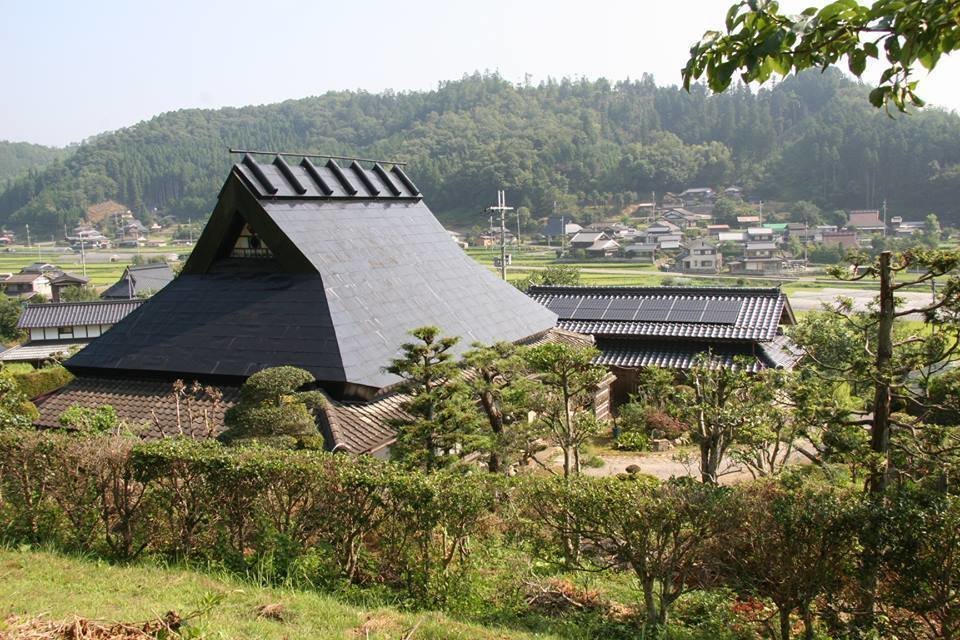
An hour north of Kyoto city, in a mountain valley that most visitors to Japan never find, stands a farmhouse estimated at 170 years old — still thatched, still farmed, still inhabited by the family that built it. The Aramaki family works the rice paddies and vegetable garden visible from the guest rooms, and breakfast features rice they grew themselves alongside seasonal Kyoto produce from the field just outside.
A sauna has been added in recent years. Firefly evenings are a genuine summer highlight — a kind of experience that’s available within an hour of Kyoto city but feels completely removed from it.
- Farm highlights: 170-year-old thatched kominka, rice and vegetable farming, sauna, firefly evenings, wild mountain herb foraging
- Best for: Culture-focused travelers, couples, those seeking authentic rural Kyoto
- Location: Kyotamba Town, Kyoto Prefecture | Up to 10 guests | From ¥8,500/night + optional dinner (base rate — check listing for details)
- Access: ~1 hour from Kyoto city by car. Nearest train station: Wachi (JR San-in Line); car recommended from there.
- Host’s Language: Japanese (translation app recommended)
Tsuchi to DISCO — Noto Town, Ishikawa
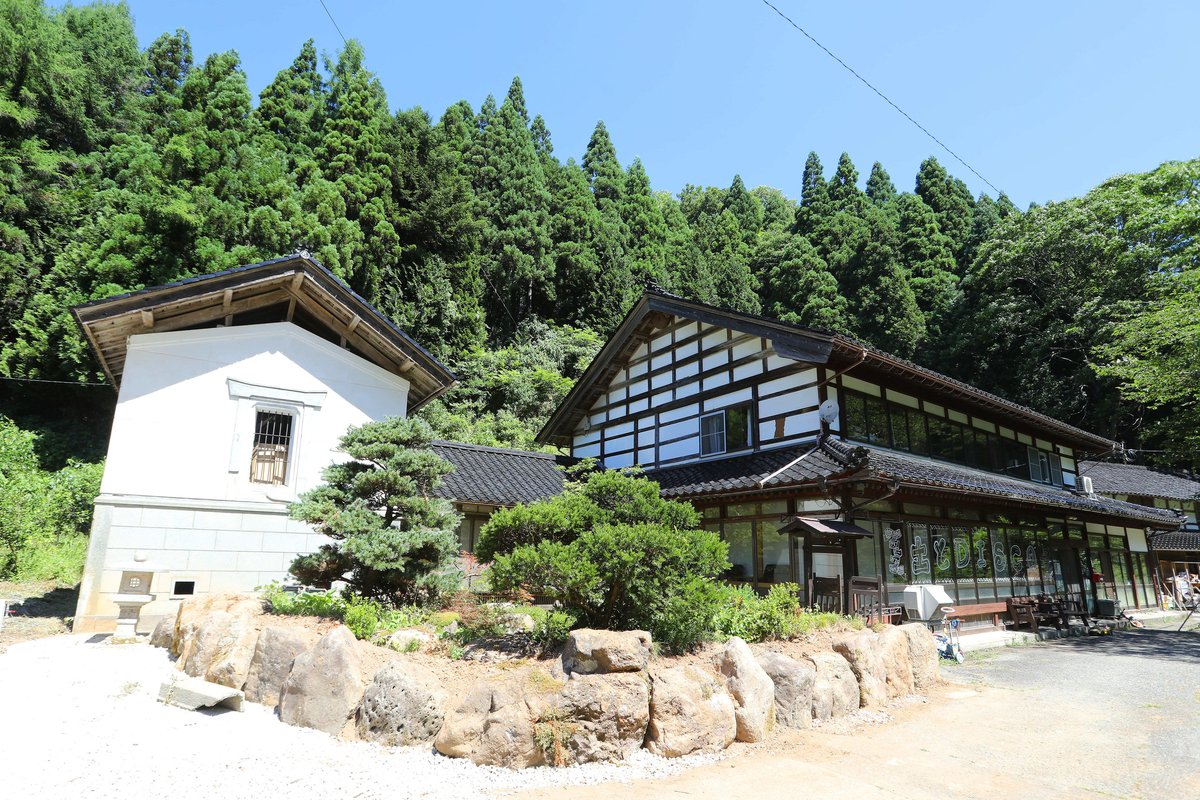
The name translates as “Soil and Party” — and this 100-year-old farmhouse on the Noto Peninsula delivers exactly that balance. By day, guests engage with the Noto landscape: baking pizza with locally gathered toppings, tending bamboo forests, harvesting summer vegetables, or foraging autumn mushrooms from the hillside. By evening, the space shifts into something warmer — a gathering place where guests and local community members share food, music, and Noto’s particular brand of hospitality.
The Noto Peninsula has drawn significant international attention in recent years. Staying here is a personal adventure and a meaningful act of support for a community writing its future.
- Farm highlights: Pizza baking, bamboo forest tending, year-round seasonal harvests (spring herbs; summer vegetables; autumn mushrooms), community evenings
- Best for: Experience-seekers, community-oriented travelers, supporters of Noto
- Location: Noto Town, Ishikawa Prefecture | Up to 8 guests | From ¥10,000/night (base rate — check listing for details)
- Access: ~2 hours from Kanazawa by car. Car essential — public transport is very limited on the Noto Peninsula.
- Host’s Language: Japanese (translation app recommended)
Note: Please check the latest local access info before traveling, as some rural routes are still updating.
Yame Hotaru Farm Stay — Yame, Fukuoka (Kyushu)
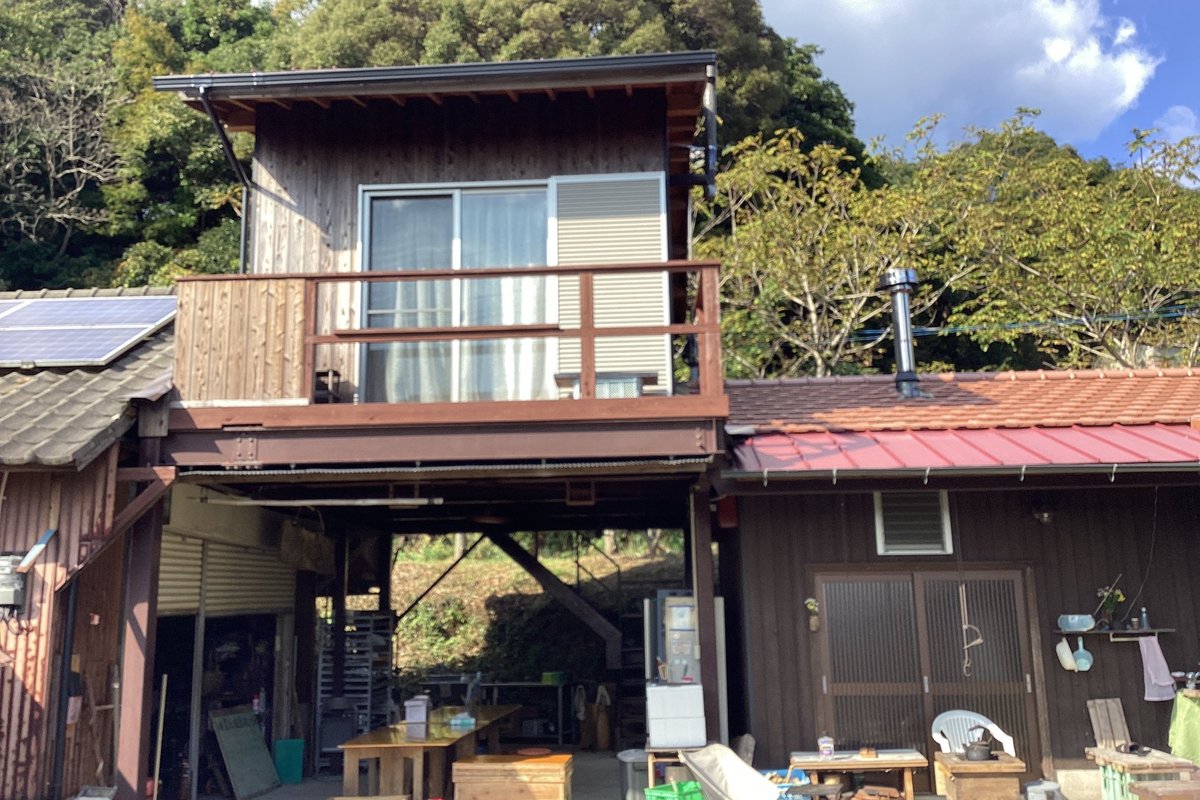
Yame (八女) is one of Japan’s most celebrated tea-producing regions — and at 400 meters elevation, this hillside farm stay delivers views to match its altitude. The hosts grow and process their own tea in three distinct styles: kiln-roasted green tea (kama-iri cha), standard green tea, and black tea. Guests are welcomed with a tasting flight of all three — an immediate, aromatic introduction to what makes Yame tea exceptional.
Seasonal programs include bamboo shoot picking, mountain herb gathering, and guided walks through the farm’s forested hillside paths. A quiet, local corner of Kyushu that international visitors rarely reach — and rarely forget.
- Farm highlights: Tea farm (three tea styles), bamboo shoot picking, mountain herb gathering, panoramic hilltop views
- Best for: Tea lovers, nature walkers, Kyushu explorers
- Location: Yame City, Fukuoka Prefecture | Up to 3 guests | From ¥4,000/night (base rate — check listing for details)
- Access: ~1 hour from Fukuoka (Hakata) by car. Car recommended.
- Host’s Language: Japanese (translation app recommended)
For more Kyushu countryside stays, see Kyushu Countryside Stays: Farmhouses & Traditional Houses.
Nouhaku Through the Seasons
One of nouhaku’s defining qualities is how completely it transforms by season. Agricultural stays offer a fundamentally different experience depending on when you visit:
| Season | Dates | Key Activities |
|---|---|---|
| Spring | March – May | Rice planting (田植え), cherry blossom walks, spring vegetable harvests, wild mountain herb foraging |
| Summer | June – August | Summer vegetable picking, farm weeding, firefly viewing, outdoor BBQs, riverside activities |
| Autumn | September – November | Rice harvesting (稲刈り), apple and persimmon picking, mushroom foraging, miso preparation |
| Winter | December – February | Miso making, snow activities, root vegetable cooking, warm farmhouse evenings by the hearth |
Planning a fuller rural journey? Our 7-Day Central Japan Rural Itinerary shows how to combine nouhaku stays with Japan’s most scenic countryside routes across five prefectures.
Tips for Planning Your Nouhaku Stay
- Book ahead — especially for autumn harvest season. Rice harvesting (late September–October) and apple season (September–November) are the most in-demand periods. Aim to book 4–6 weeks in advance.
- Communicate your interests before arrival. Most nouhaku hosts offer flexible programs. Tell them what you’re hoping to experience, and they’ll prepare accordingly.
- Pack practical outdoor clothing. Farm activities mean outdoor movement. Bring layers, closed-toe shoes, and clothes you don’t mind getting muddy.
- Flag dietary needs at booking, not on arrival. Nouhaku meals are often prepared fresh using specific farm produce. Inform your host of dietary restrictions when booking so they can plan ahead.
- Plan for at least two nights per farm. Nouhaku rewards patience. Two nights is the minimum for settling in; three nights allows genuine rhythm and connection.
- Learn a few words of Japanese. Rural hosts are warm and communicative, but English proficiency varies outside major cities. A few simple phrases go a meaningful distance.
For families considering nouhaku, see our guide to Best Japan Stays for Families with Kids.
Frequently Asked Questions
What is nouhaku in Japan?
Nouhaku (農泊) is a form of rural tourism where guests stay overnight at working farms or agricultural communities in Japan’s countryside. Japan’s Ministry of Agriculture, Forestry and Fisheries actively supports nouhaku as part of national rural revitalization efforts. Stays typically include hands-on farming activities, farm-to-table meals made from the host’s own produce, and immersive experiences in Japan’s agricultural traditions.
Is nouhaku suitable for first-time visitors to Japan?
Yes. Nouhaku is one of the most rewarding ways for first-time visitors to experience a side of Japan that standard tourism rarely shows. Many STAY JAPAN properties offer English-supported listings, and hosts are experienced with international guests. Nouhaku works well as part of a multi-stop itinerary — combining city visits with countryside stays gives a complete, layered picture of Japan.
How is nouhaku different from a regular guesthouse or ryokan?
Nouhaku centers on agricultural participation and community connection. You’re a guest in a working farm environment — eating what the farm produces, participating in its rhythms, and connecting with people who have lived on that land for generations. Ryokan prioritize service, aesthetics, and onsen access; nouhaku prioritizes authentic engagement with rural Japan. For a detailed comparison, see Japan Farm Stay vs Ryokan: Which Is Right for You?
When is the best time to visit Japan for a nouhaku stay?
Every season brings something unique. Spring is ideal for rice planting and mountain herbs; summer for vegetable harvesting and firefly evenings; autumn for rice and fruit harvest (the most popular season — book early); winter for miso making and the warmth of a farmhouse in the snow. There is no wrong season for nouhaku — only different ones.
Ready to Experience Nouhaku?
Japan’s countryside is not a backdrop. It’s a living landscape, worked by families who have cared for it for generations — and nouhaku is your invitation to step inside it.