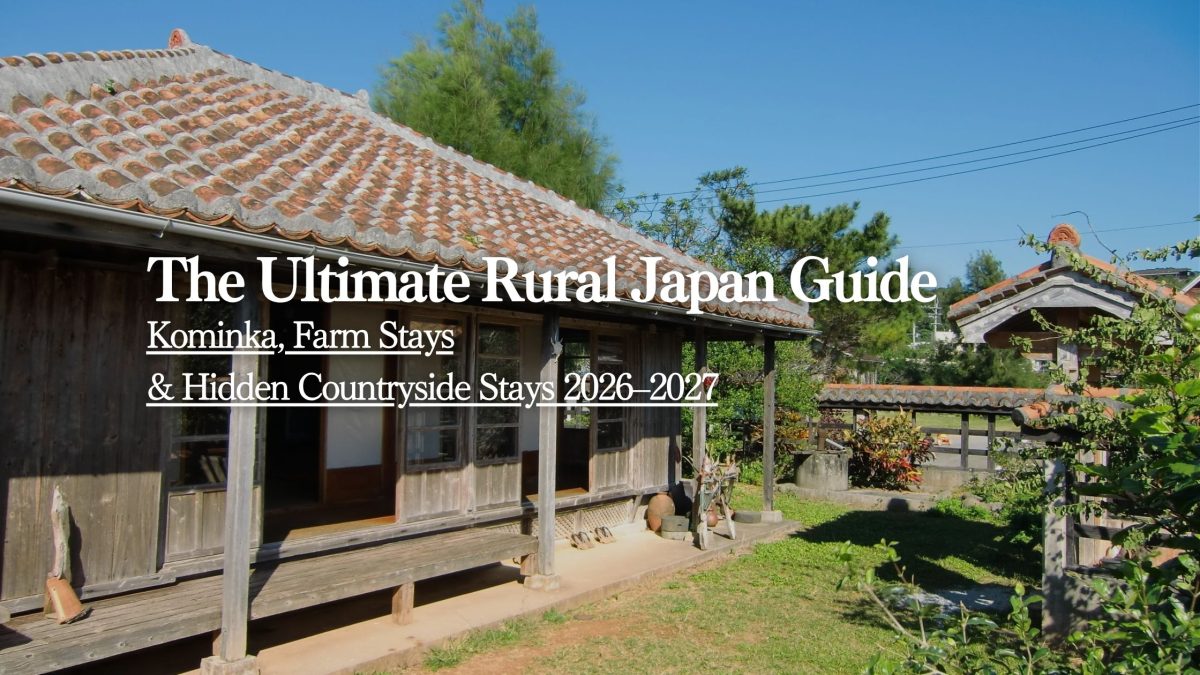

There are two Japans. One has Shinkansen stations, neon-lit convenience stores, and hotel corridors with numbered doors. The other Japan sits quietly behind it — in the mountain valleys of Akita and Nara, along the river roads of Yamagata and Wakayama, on the reef-fringed islands of Okinawa and the ancient shrine towns of Shimane. This is the Japan that most travel guides only gesture toward, and the Japan that STAY JAPAN exists specifically to open.
This is the complete rural Japan guide — covering everything you need to know about staying in Japan’s countryside, from choosing the right type of accommodation to knowing what questions to ask your host. It includes seven exceptional rural stays from across the country: each one hand-picked for its authenticity, its hospitality, and its capacity to give you something that no city hotel can.
Whether you’re planning a first visit to rural Japan or looking to deepen your experience, this guide will help you find the stay that changes the way you see the country.
Already know what you’re looking for? Browse all rural Japan stays on STAY JAPAN →
What Makes Rural Japan Accommodation Different?
Rural Japan accommodation isn’t simply “a hotel outside a city.” The properties that make up STAY JAPAN’s network are almost all family-run, often centuries-old, and frequently the primary home of the people who welcome you. This creates a hospitality dynamic unlike anything in the conventional hotel industry.
Your host might be a third-generation rice farmer who will walk you through the paddies at dawn, or an architect who restored a 150-year-old kominka farmhouse using traditional joinery techniques and wants you to understand what went into it. Meals, when included, are usually made from ingredients grown or caught locally — ayu sweetfish from the river, mountain vegetables from the host’s field, rice from the neighboring farmer who’s been supplying the same household for thirty years.
Staying in rural Japan means participating, however briefly, in a way of life that is increasingly rare even in Japan itself. That’s not a marketing claim — it’s the experience that STAY JAPAN guests consistently report as the most meaningful part of their entire trip.
Types of Rural Japan Accommodation
Understanding the main categories of rural accommodation helps you match your stay to what you’re actually looking for:
Kominka (古民家) — Traditional Farmhouse Stays
Kominka are old Japanese farmhouses, typically built between the Edo and Taisho eras (17th–early 20th century). They feature thick thatched or tile roofs, wide wooden floor beams, and in many cases a sunken irori hearth at the center. Renovated kominka offer modern comfort within preserved traditional structures — sleeping in one is an immediate sensory connection to a Japan that existed for centuries before modern construction arrived.
Nouhaku (農泊) — Agricultural Stays
Nouhaku properties are run by farming families and include hands-on agricultural experience as part of the stay. You might plant, harvest, or cook with seasonal produce; attend a traditional craft session; or simply eat meals made entirely from what the farm produces. Nouhaku is less about the building and more about the people and their working relationship with the land.
Minshuku (民宿) — Family Inns
A minshuku is a small, family-run inn — similar in spirit to a European B&B but with Japanese hospitality norms. Rooms are typically tatami-floored; meals (where included) are home-cooked and reflect regional cuisine. Minshuku are the most accessible entry point to rural Japan accommodation and exist in virtually every region.
Private Villa and Lodge Rentals
Several STAY JAPAN properties are private villas — full-house or full-property rentals that offer rural landscapes and traditional architecture without the shared-facility format. These suit groups, families, and travelers who want immersive countryside access with full privacy.
7 Exceptional Rural Japan Stays
Oyado Nezuneko — Senboku, Akita
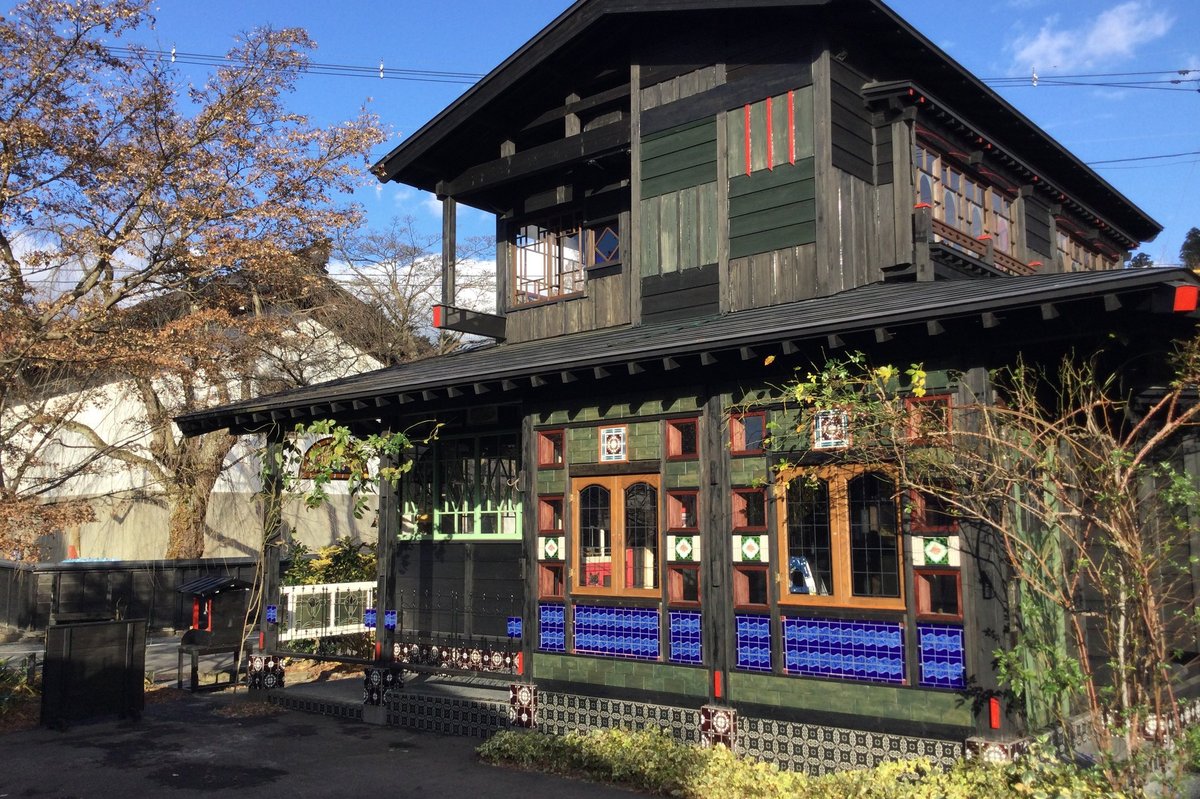
One minute’s walk from Kakunodate’s famous samurai district, Oyado Nezuneko is the most-reviewed property on STAY JAPAN’s English platform — 88 guest ratings averaging a perfect 5.0 stars. This one-group-at-a-time guesthouse occupies a distinctive Meiji-era building (the name translates to “Mouse and Cat Inn,” a reference to the property’s playful, intricate interior design). Up to six guests sleep across one Western-style bedroom and two tatami rooms on the upper floor, with sakura blossom or deep-green maple views from every window depending on season. Kakunodate’s natural hot spring is a 10-minute walk, and Tazawa Lake — Japan’s deepest — is a short drive into the Akita highlands. Of all the rural Japan stays on this list, Nezuneko is the one with the most guest testimony to draw on, and the verdict is consistent: it’s worth every kilometer of the journey.
Highlights:
- Most reviewed English-page property on STAY JAPAN — 88 reviews, 5.0★
- Walking distance to Kakunodate samurai district and cherry blossom-lined streets
- Distinctive Meiji-era architecture with mouse-and-cat themed interior design
Best for: Couples, small groups, travelers seeking a culturally rich Tohoku base
Location: Senboku City, Akita — central hub for Kakunodate, Tazawa Lake, and Nyūtō Onsen
Sora — Zao, Miyagi
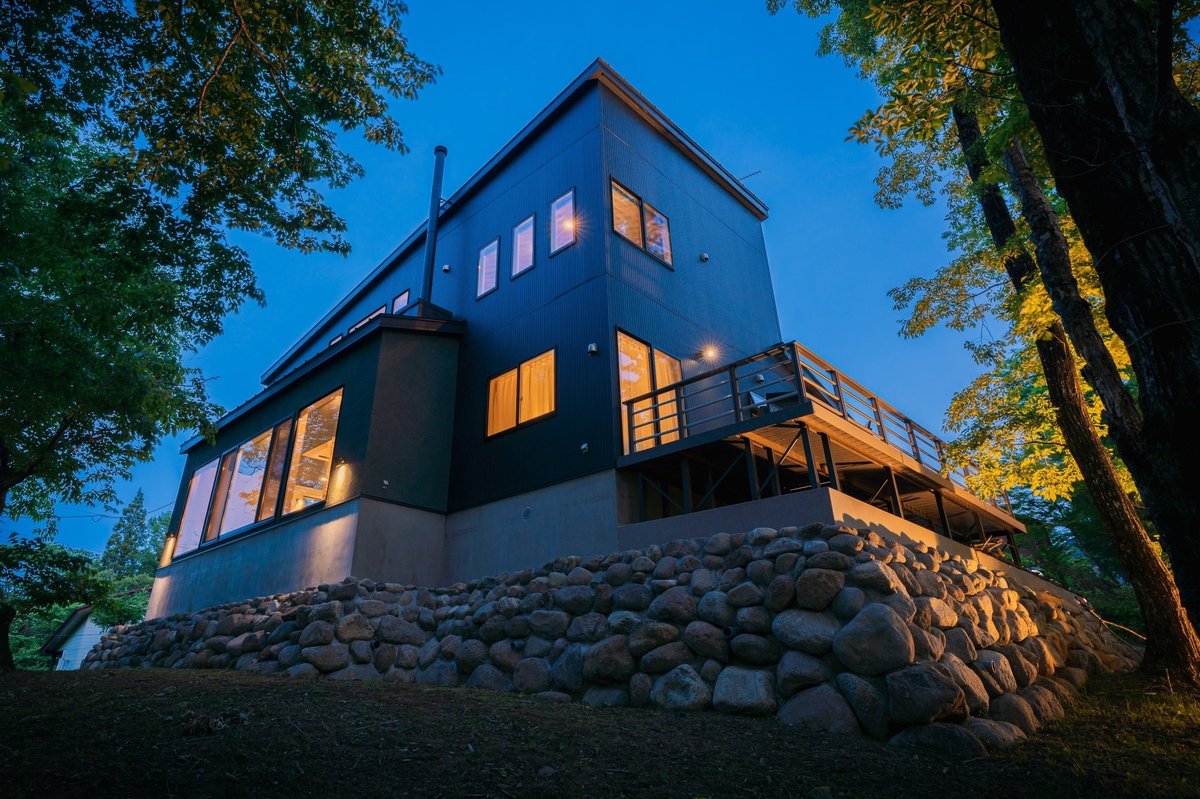
At the opposite end of the price spectrum sits Sora — “Sky” — a luxury villa perched on the hillside of Zao resort in Miyagi, with floor-to-ceiling windows framing the forest like a living painting. The property holds the Albergo Diffuso certification, an international recognition given only to accommodation that contributes authentically to its local community — meaning your stay here supports the Zao region’s farmers, restaurants, and cultural events. Each guest receives a restaurant voucher per night, redeemable at local dining spots in the Zao village. The villa sleeps up to five, comes with reliable Wi-Fi (making it popular with digital nomads), and sits 90 minutes from Sendai Station by expressway. The combination of onsen access, mountain scenery, and genuine local integration makes Sora the most complete rural Japan experience for those who don’t want to compromise on comfort.
Highlights:
- Albergo Diffuso certified — globally recognized for authentic community integration
- Restaurant dining vouchers included per person per night
- Luxury nature villa with onsen access and remote-work-friendly Wi-Fi
Best for: Couples, remote workers, travelers seeking premium rural comfort
Location: Zao-machi, Miyagi — Zao hiking trails, Okama crater lake, 90 min from Sendai
Red-Tile Kominka — Motobu, Okinawa
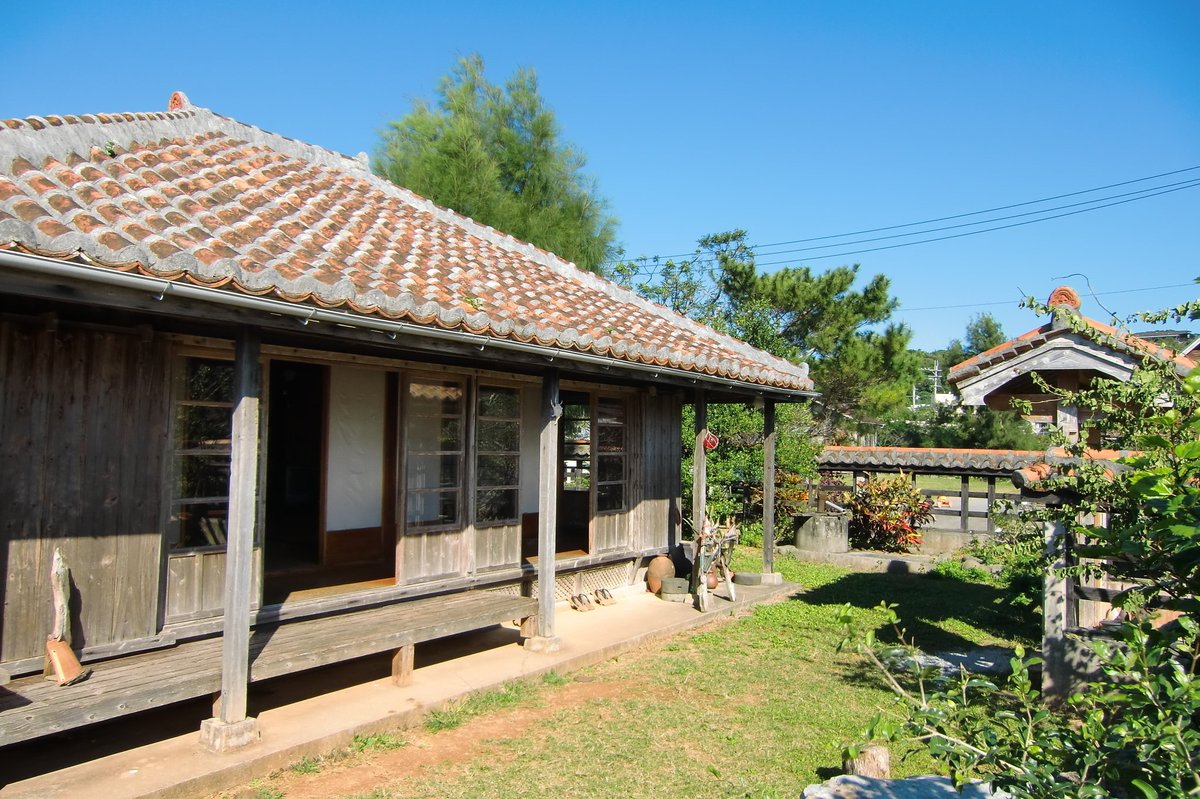
In the lush hills of Motobu Peninsula in northern Okinawa, this 80-year-old red-tile kominka is as far from mainland Japan as you can travel without leaving the country. Okinawa’s traditional architecture — low, wide buildings with distinctive red ceramic roof tiles and dense subtropical gardens — is disappearing rapidly, and properties like this one represent what’s still standing. The house accommodates up to six guests, and its garden setting opens toward the Okinawan countryside and the East China Sea. The Okinawa Churaumi Aquarium is 40 minutes by car from Naha airport; the Motobu Peninsula’s cape snorkeling spots and coral reefs are considerably closer. If you’re combining Okinawa’s island experiences with an authentic stay in the region’s traditional architecture, this is the property that makes that possible through STAY JAPAN.
Highlights:
- Rare surviving example of traditional Okinawan red-tile kominka architecture
- Subtropical garden setting in the hills of Motobu Peninsula
- Close to Okinawa Churaumi Aquarium and northern island snorkeling
Best for: Families, couples, travelers seeking a culturally authentic Okinawa stay
Location: Motobu-cho, Okinawa — northern peninsula, Ie Island ferry, Churaumi Aquarium
Kominka Guesthouse Rebe Higashi-Yoshino — Nara
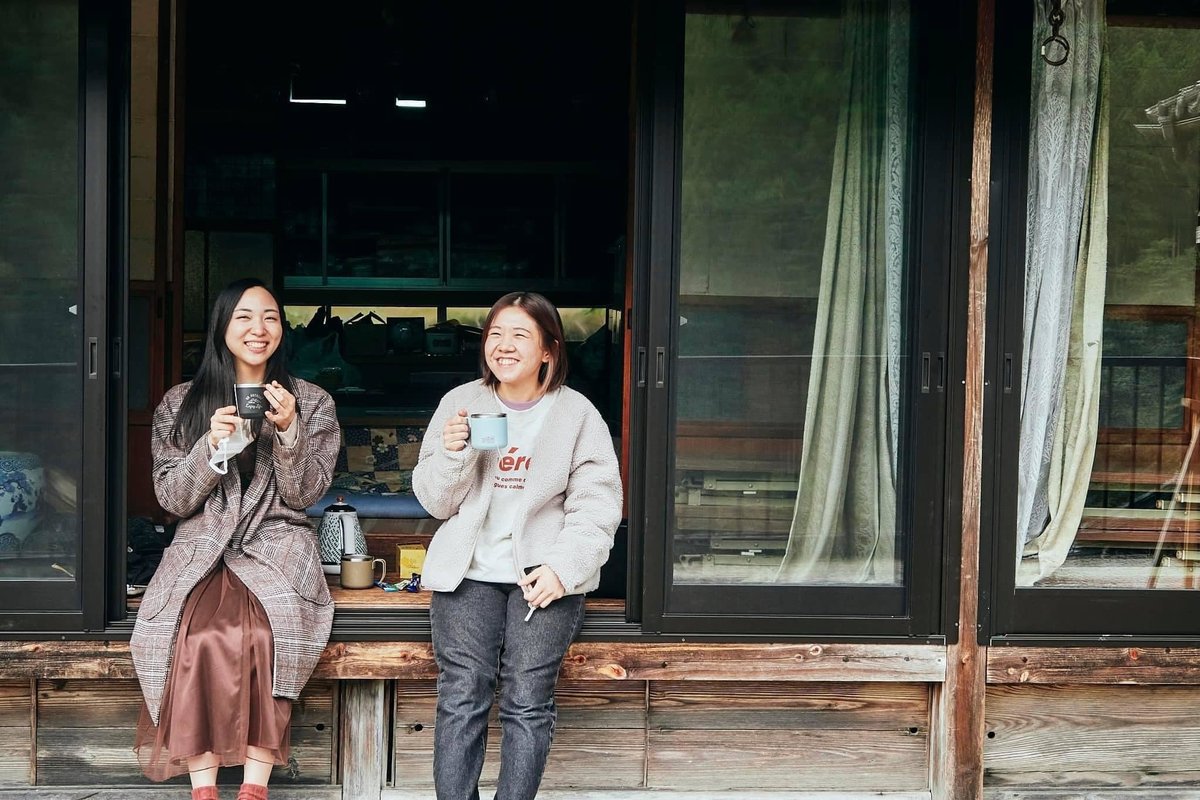
Deep in the Yoshino Valley — the cedar-forested mountain region of southern Nara where the Yoshino River runs clear and the only sounds at night are frogs and flowing water — Rebe Higashi-Yoshino is a 100-year-old kominka that accepts just two guests at a time. The stay is intentionally immersive: guests cook morning rice over a kamado clay stove, gather around a bonfire in the central courtyard, and (optionally) try a tent sauna session or traditional tea-grinding session in the stone garden. The host’s philosophy is explicit — this is a place to arrive tired, slow down, and leave knowing something about yourself you didn’t know before. The optional kamado rice cooking, bonfire gathering, and sauna sessions aren’t extras added for tourism: they’re how the house has been lived in for generations.
Highlights:
- Private stay for 2 guests in a 100-year-old Yoshino Valley kominka
- Morning kamado rice cooking and courtyard bonfire experiences
- Optional tent sauna session in the garden
Best for: Couples, solo travelers seeking deep immersion in rural Japanese life
Location: Higashi-Yoshino Village, Nara — Yoshino River valley, Dorogawa Onsen nearby, 2.5 hr from Osaka
Planet Colours — Hidakagawa, Wakayama
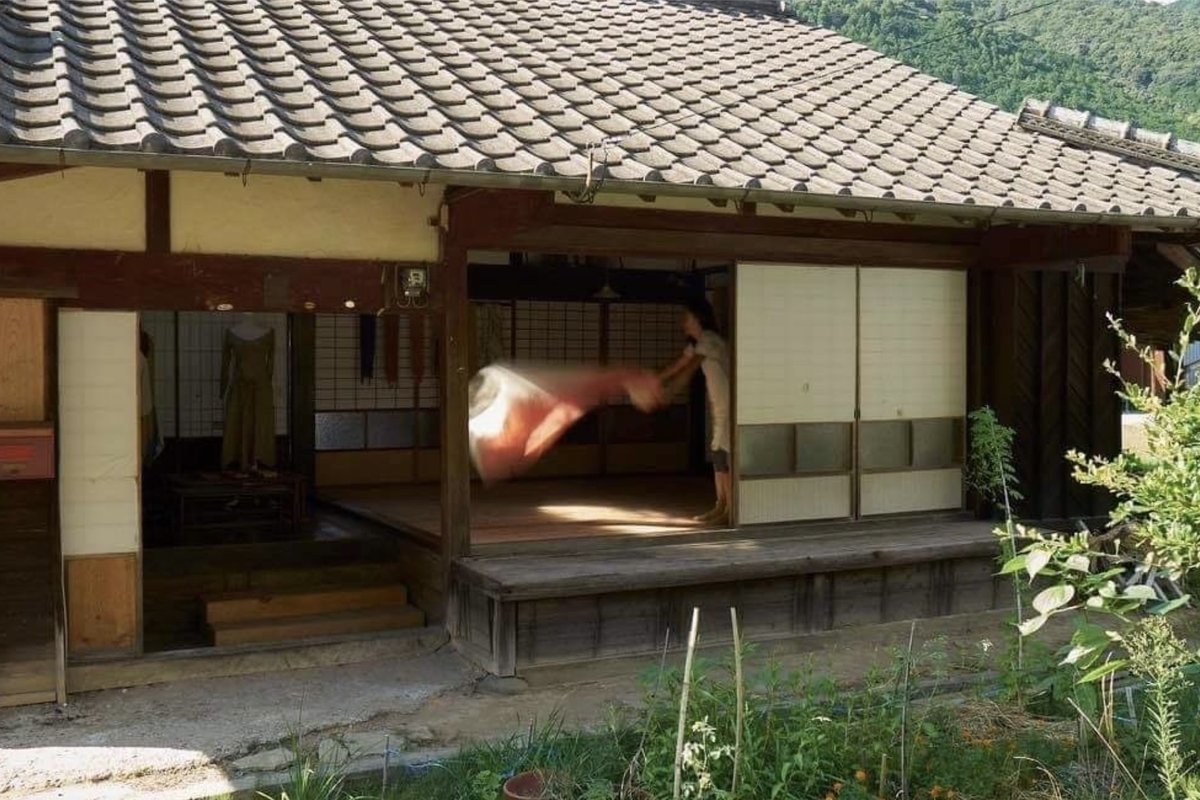
On the banks of the Hidaka River in the mountains of Wakayama, Planet Colours is a rural stay built around a single transformative idea: that natural materials — plant roots, bark, leaves, and earth — contain colors that cannot be replicated artificially. The property’s main building is a former minshuku; behind it, an old kominka has been converted into a studio where guests can try kusakizome (plant dyeing), aizome (indigo dyeing), and other natural textile techniques with cotton and linen garments using ingredients foraged from the surrounding landscape. Meals (available as options) are vegetarian or locally sourced game. The river alongside the property is swimmable in summer, and the host — who moved from Tokyo to live this way — offers a personal philosophy of rural self-sufficiency that is increasingly rare in Japan and genuinely difficult to access anywhere else.
For more hands-on agricultural and craft experiences across rural Japan, explore STAY JAPAN’s harvest experience collection: en.stayjapan.com/feature/harvest-experience-stays
Highlights:
- Natural dyeing studio using foraged plant materials — cotton, linen, silk
- River swimming in summer alongside the property
- Optional vegetarian or locally sourced game meals
Best for: Slow travelers, artists, anyone interested in traditional Japanese craft and sustainable living
Location: Hidakagawa-cho, Wakayama — mountain river valley, 2 hr from Osaka
Hiroshima Kosho — Higashi-Hiroshima, Hiroshima
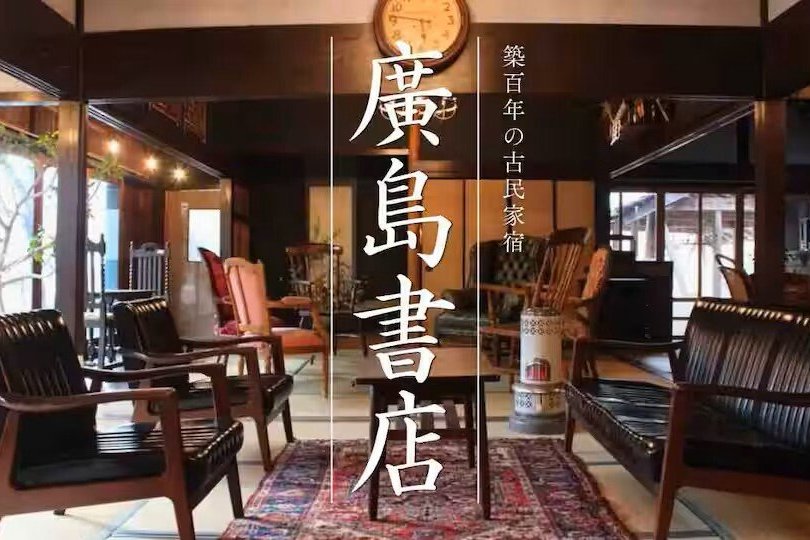
The antique shop Re:come Across has transformed a 100-year-old kominka in eastern Hiroshima into one of the most visually arresting rural stays in western Honshu. French and British antique furniture fills the wooden interior of the former farmhouse — a pairing that should be jarring but somehow isn’t, precisely because traditional Japanese joinery and European craftwork share a commitment to material quality that transcends their geographic origins. Up to seven guests can take the full house, which includes a traditional Goemon iron soaking tub, a garden BBQ setup, and an extensive library of books about Hiroshima’s history — from the feudal era through to the present. The property is dog-friendly and sits within day-trip range of Onomichi, Hiroshima city, and the Shimanami Kaidō cycling route.
Highlights:
- 100-year-old kominka filled with French and British antique furniture
- Goemon iron soaking tub and outdoor BBQ in the garden
- Full-house rental for up to 7 guests — dog-friendly
Best for: Groups, design-conscious travelers, Hiroshima/Shimanami Kaidō road-trippers
Location: Higashi-Hiroshima City — Saijō sake district, Onomichi (1 hr), Shimanami Kaidō access
On-ya Hida Kinzan — Gero, Gifu
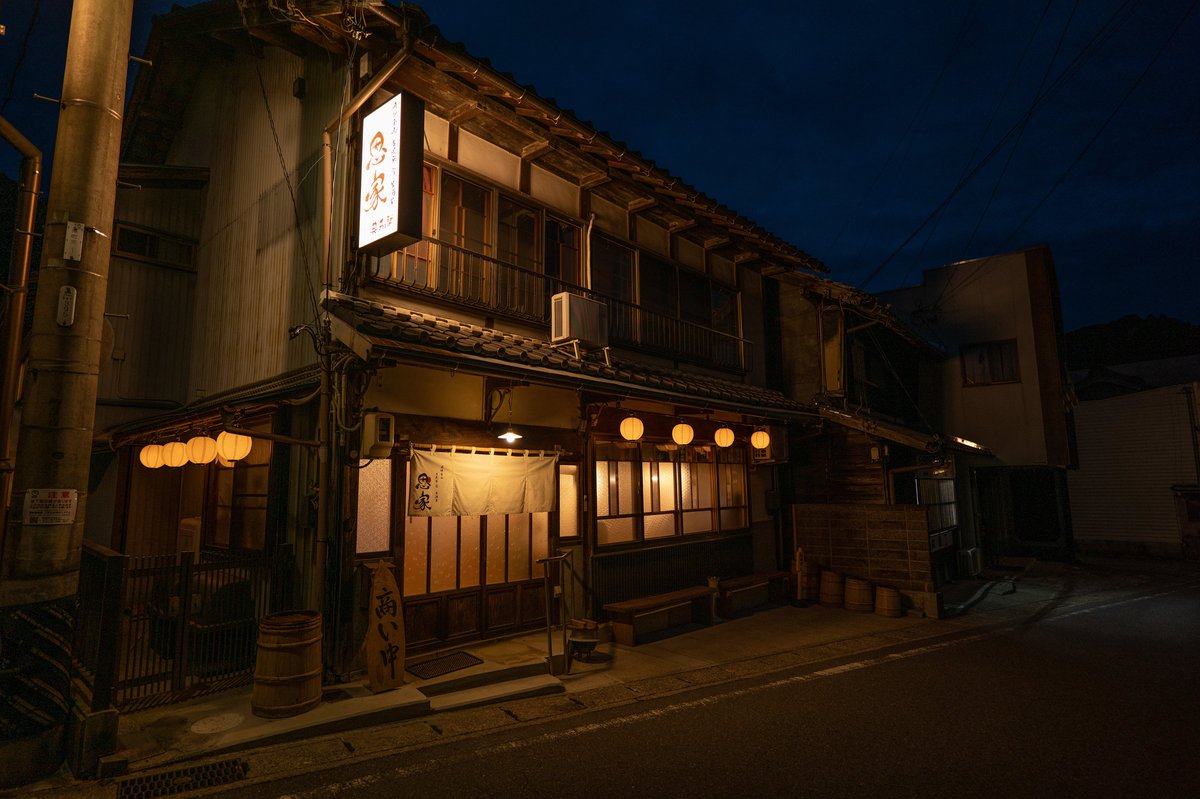
In the Hida Kinzan district of Gero City — between Nagoya and Takayama on the mountain highway that leads toward Shirakawa-go — On-ya occupies a century-old building with a very specific history: constructed in 1926 as a midwifery clinic, it became the birthplace of generations of Hida families before the owners renovated it in 2022 and opened it as a guesthouse. The name “On-ya” (恩家 — Home of Gratitude) reflects both the building’s past and its present hospitality. Up to eight guests can stay across private rooms, each with Wi-Fi, TV, and air conditioning, while the ground floor operates as an intimate izakaya serving local Hida sake and regional Gifu cuisine — making On-ya the rare rural accommodation where the best dinner option is directly beneath your room. The surrounding Hida Kinzan area is defined by its suji-koshi meguri — a network of traditional alleyways and old merchant townhouses ideal for a slow afternoon walk — and Gero Onsen, one of Japan’s celebrated Three Great Hot Springs, is just minutes away.
Highlights:
- A century of Hida history: 1926 midwifery clinic transformed into a Showa-era kominka guesthouse
- Ground-floor izakaya serving local Hida sake and regional Gifu cuisine beneath your room
- Gateway to Gero Onsen (Japan’s Three Great Hot Springs) and the Hida Kinzan old-town walks
Best for: Sake and food enthusiasts, travelers on the Nagoya–Takayama route, history-minded slow travelers
Location: Gero City (Hida Kinzan district), Gifu — Nagoya → Gero Onsen → Takayama → Shirakawa-go route
How to Choose the Right Rural Japan Stay
With so many accommodation types and regions to consider, here’s a simple framework for choosing the rural Japan stay that’s right for you:
If connection with nature is your priority — look for properties near rivers, mountains, or subtropical coastlines. Red-Tile Kominka (Okinawa), Planet Colours (Wakayama), and Rebe Higashi-Yoshino (Nara) all offer direct immersion in natural landscapes, whether by ocean-adjacent hillside, river-mountain setting, or cedar-forested valley.
If cultural depth matters most — choose a property with architectural history or an integrated cultural program. Hiroshima Kosho (antique-filled 100-year kominka), On-ya Hida Kinzan (Gifu’s century-old midwifery clinic turned izakaya inn), and Oyado Nezuneko (Akita’s Meiji-era building) each deliver this in distinctly different ways.
If comfort is non-negotiable — private villas and certified guesthouses like Sora (Zao) combine authentic rural settings with modern facilities and the Albergo Diffuso certification’s guarantee of genuine community integration.
If community connection matters — properties run by local families who share their culture directly give the most access to local life: On-ya’s ground-floor izakaya brings the neighborhood’s sake culture to your table; Planet Colours’ natural dyeing studio connects you to the host’s philosophy of rural self-sufficiency.
Practical Tips for Rural Japan Accommodation
- Book early, especially for one-group stays. Many rural STAY JAPAN properties accept only one group at a time. During Golden Week (late April–May), Obon (mid-August), and autumn foliage season, these book up 2–3 months ahead.
- Communicate clearly about meals. Many hosts offer optional meal plans that need to be arranged in advance — sometimes 24–48 hours before arrival. Confirm your preferences when booking.
- Bring cash. Rural areas in Japan are often card-limited. While most STAY JAPAN properties accept card payment, nearby restaurants and local shops may not. Withdraw cash at a 7-Eleven or Japan Post ATM before leaving the city.
- Learn a few words of Japanese. Your hosts may have limited English — and a few words of Japanese (thank you, delicious, beautiful) will be appreciated far beyond their literal meaning. Google Translate’s camera function is invaluable for menus and signs.
- Arrive during daylight. Rural roads and unmarked driveways are significantly harder to navigate after dark. Plan your arrival for late afternoon at the latest, and contact your host in advance if you’re running behind.
- Read the house rules carefully. Kominka and farmhouse stays often have specific requests around smoking, shoes, loud noise, and departure cleanup. These are almost always reasonable and worth respecting.
Frequently Asked Questions
What is the difference between a ryokan and rural Japan accommodation?
A ryokan is a traditional inn — typically staffed, with formal kaiseki meal service, communal hot springs, and a range of rooms. Rural Japan accommodation through STAY JAPAN is different in nature: it’s family-run, often more intimate, and may be a kominka farmhouse, farm inn, or private villa rather than a formal inn. Both offer traditional Japanese hospitality, but rural stays tend to feel more personal and less scripted.
Is rural Japan accommodation safe for solo travelers?
Yes. Japan has an exceptionally low crime rate and rural communities are among the safest environments in the country. Solo travelers — particularly women traveling alone — are well-accommodated across STAY JAPAN’s network. Many hosts are experienced in welcoming international guests and can provide local guidance, transport suggestions, and safety-oriented advice for exploring the surrounding area.
Do rural Japan stays have Wi-Fi?
Many do, though connection speed varies significantly in remote mountain and coastal areas. Properties marketed specifically as digital nomad-friendly (like Sora in Zao) invest in reliable internet. If connectivity matters to your trip, check the property listing or ask the host before booking.
Can children stay at rural Japan properties?
Most STAY JAPAN properties welcome children, though capacity limits and house rules vary. Farm stays and private villas tend to be the most family-friendly — with space, outdoor access, and hosts who are accustomed to multigenerational groups. Check individual property pages for age restrictions and available children’s amenities.
How do I get to rural Japan from Tokyo or Osaka?
Each region has its own access options. Most Tohoku destinations are reachable by Shinkansen in 2–4 hours, with local transport (bus, taxi) for the final leg. Kansai and Chugoku destinations are often accessible by JR limited express. For the most remote kominka and farm stays, renting a car at the nearest station gives you the most flexibility. Your STAY JAPAN host will usually provide detailed access instructions when you confirm your booking.
Start Your Rural Japan Journey
Rural Japan doesn’t require a particular budget, a particular season, or a particular kind of traveler. It requires only the decision to arrive somewhere that doesn’t try to be anything other than what it is.
Browse the full range of rural Japan stays across STAY JAPAN — from Okinawa’s subtropical islands to Tohoku’s mountain valleys — and find the property that matches your idea of countryside Japan:
Explore All Rural Japan Stays →
Related Articles
- What is a Kominka? A Complete Guide to Traditional Japanese Farmhouse Stays
- Nouhaku Japan: The Complete Guide to Countryside Agricultural Stays
- Japan Summer Vacation Rentals: Best Countryside Stays for 2026