Imagine waking up to the smell of rice cooking on an old wood stove, opening the sliding paper door of your tatami room, and looking out over a sea of green rice paddies stretching toward distant mountains. No hotel lobby, no buffet breakfast, no checkout rush — just you, your hosts, and the unhurried rhythm of rural Japan.
A Japanese farmhouse stay is one of the most authentic travel experiences the country has to offer. You’ll sleep under centuries-old beams, eat food that was harvested that morning, and — if you’re lucky — get your hands dirty in the fields alongside your hosts. For first-time visitors, it can feel both thrilling and a little daunting. What exactly happens? What should you expect? And how do you find the right place?
This guide answers all of those questions. Below, you’ll find everything you need to know before your first farmstay in Japan — plus six carefully chosen rural Japan accommodations available through STAY JAPAN, the country’s leading platform for authentic rural stays.
Table of Contents
- What Makes a Japanese Farmhouse Stay Different from a Hotel?
- What to Expect: Your Daily Rhythm at a Japanese Farmhouse
- The Three Types of Japanese Farmhouse Stays
- Our Top 6 Picks for First-Time Farmhouse Visitors
- Tips for Booking Your First Farmhouse Stay
- Frequently Asked Questions
- Start Planning Your First Farmhouse Stay
What Makes a Japanese Farmhouse Stay Different from a Hotel?
The difference isn’t just aesthetic. Yes, the architecture is beautiful — thick earthen walls, heavy timber frames, washi paper screens, and floors worn smooth by generations of bare feet. However, the deeper difference is relational.
At a Japanese farmhouse, your host is not a hotel employee. They are a farmer, a craftsperson, a grandmother who has cooked these dishes her whole life. The exchange is personal in a way that no hotel can replicate. You’ll learn things that don’t appear in any guidebook: how to read the weather from the color of the hills, which wild herbs grow by the stream, how rice varieties differ from village to village.
Key differences to expect:
- Architecture: Traditional materials — wood, earth, bamboo, thatch, or tile — built to last centuries
- Scale: Most properties accommodate only one group at a time, giving you genuine privacy and undivided host attention
- Food: Meals are prepared from local and often home-grown ingredients. Seasonal eating is not a trend here — it’s a way of life
- Pace: Days follow the land’s rhythm. Mornings start early; evenings quiet down soon after dusk
- Community: Your host often has deep roots in the village. Through them, you get a window into a world that most travelers never see
What to Expect: Your Daily Rhythm at a Japanese Farmhouse
Morning
Farmhouse mornings begin early. Expect the sounds of the countryside to wake you before your alarm — birdsong, wind in the bamboo, the distant hum of a tractor. Many hosts prepare a traditional Japanese breakfast: grilled fish or miso-marinated vegetables, rice, miso soup made from homemade paste, and pickles that have been fermenting since last autumn.
If agricultural activities are offered — planting, weeding, harvesting — they typically happen in the cooler morning hours. Some hosts will invite you to join whatever they happen to be doing that day. Others offer structured experiences you can sign up for in advance.
Daytime
The middle of the day is yours to explore. Depending on your location, you might walk to a nearby shrine, cycle through rice fields, pick wild vegetables on a hillside path, or simply sit on the engawa (veranda) and watch the clouds move across the valley. Some farmhouse hosts double as local guides and can point you toward spots that don’t appear on any map.
Evening
Evening meals are often the highlight of a farmhouse stay. Expect a multi-course spread built around the season: grilled river fish in summer, simmered root vegetables and mushrooms in autumn, hearty nabe hotpot in winter. Your host may sit with you at the table — dinner here is often a conversation, not just a service.
After dinner, the night is remarkably quiet. The absence of city light pollution means that on clear nights, the sky fills with stars in a way that feels almost startling.
The Three Types of Japanese Farmhouse Stays
Understanding which type suits you helps narrow down the choices considerably.
1. Farm Homestay (農家民宿 / Farm Minshuku)
You stay in a private room within the farming family’s home. Meals are usually included and served at a shared table. This is the most immersive option — ideal if you want real conversation, farm activities, and a genuine sense of daily rural life. Expect to remove your shoes at the door, sleep on a futon, and be treated like a member of the household.
2. Private Kominka Rental
A traditional house — often decades or centuries old — available for exclusive rental by your group. You have the property entirely to yourselves. The host may live nearby and can arrange activities or meals. Ideal for couples, families, or small groups who want total privacy in a historic setting. This is the farmhouse experience without the homestay dynamic.
3. Guided Rural Experience Lodge
A rural guesthouse where the host’s role extends beyond accommodation to active facilitation: agricultural experiences, nature walks, cooking workshops, or artisan crafts. Ideal for travelers new to farmstay experiences in Japan who want structured guidance alongside an authentic rural atmosphere.
Explore our curated farmhouse collections: Harvest Experience Stays and Food & Craft Stays.
Our Top 6 Picks for First-Time Farmhouse Visitors
Iwai Farm — Mutsuzawa, Chiba
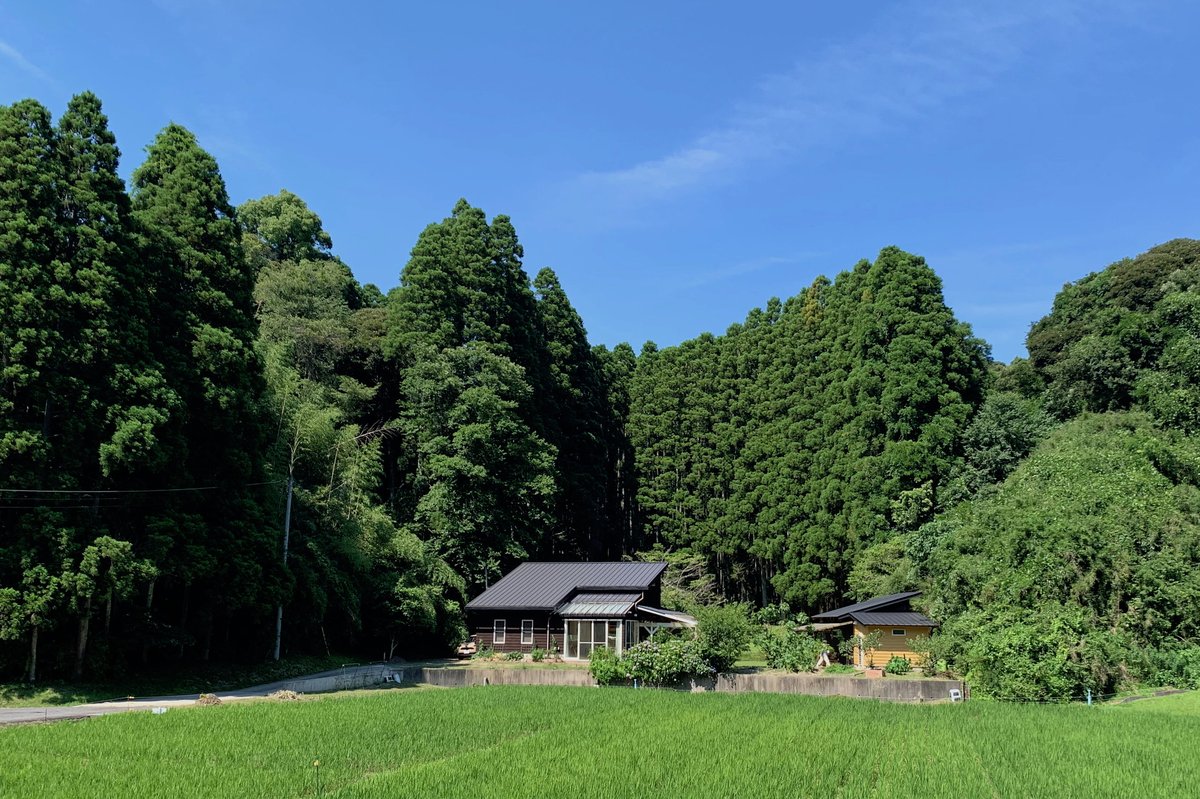
The hands-on farm adventure, 90 minutes from Tokyo
Iwai Farm is a one-group-only guesthouse set in the quiet farming village of Mutsuzawa, deep in rural Chiba. The private house sleeps up to four and comes with a remarkable list of seasonal farm activities: rice planting and harvesting, pizza making in an outdoor stone oven, open-fire BBQ, traditional mochi pounding, and foraging walks through the surrounding satoyama woodland. The team behind the property is a social design collective committed to connecting urban visitors with authentic rural life.
Summer/Autumn highlights:
- Rice harvesting in September (one of the most hands-on activities in the region)
- Satoyama walks with local foragers
- Fireside evenings with homemade meals
Best for: First-timers who want active, varied farm activities
Location: Mutsuzawa-machi, Chiba (approx. 90 min from Tokyo by car)
Access (no car): JR Sotobo Line → Kazusa-Ichinomiya Station, then approx. 10 min by taxi; confirm station pickup with host in advance
Reviews: 89 reviews · 4.94/5.0
Sora no Yado Sayochan (Naka Farm Stay) — Mima, Tokushima
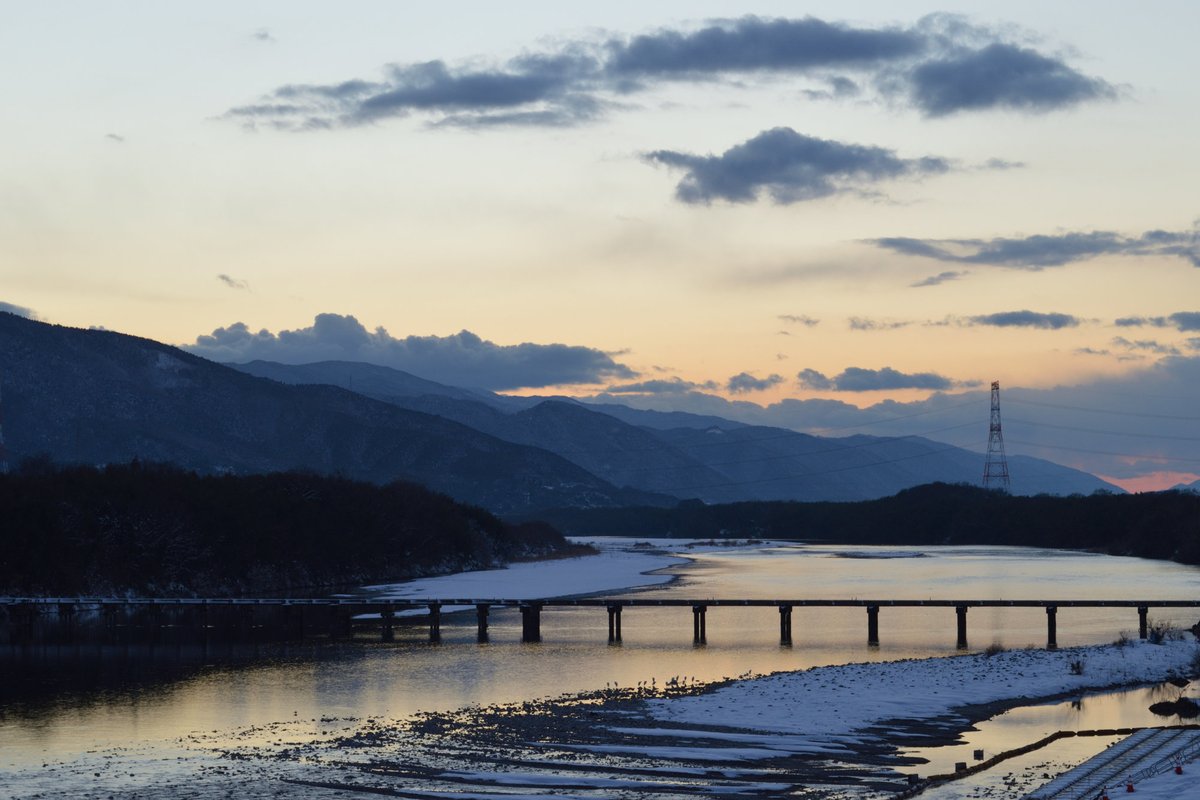
Cloud-sea mornings in a World Agricultural Heritage village
At 600 meters above sea level, this family-run farm homestay in the mountains of Mima offers something genuinely rare: on still mornings, guests wake to a sea of clouds filling the valley below. Mima is part of the Nishi-Awa region, designated a FAO Globally Important Agricultural Heritage System (GIAHS) in 2018 — an ancient steep-slope farming landscape that has sustained communities for over 400 years.
Your hosts embody the spirit of the place: warm, hands-on, and proud of the food they grow. Expect farm-fresh mountain vegetables, local river fish, and regional specialties prepared from scratch. Accommodation is Japanese-style tatami rooms in the family farmhouse.
Summer/Autumn highlights:
- Cloud sea viewing from the veranda (most common in June–October)
- Mountain vegetable farming in the FAO GIAHS-designated heritage landscape
- Traditional rural cuisine made from local, seasonal ingredients
Best for: The full family homestay immersion — staying with farmers, eating together, joining daily life
Location: Mima-shi, Tokushima (approx. 90 min from Takamatsu Airport)
Access (no car): JR Tokushima Line → Anabuki Station, or expressway bus → Wakimachi Bus Stop; host pickup available (contact in advance)
Reviews: 24 reviews · 4.92/5.0
Mirai Farm — Tanabe, Wakayama
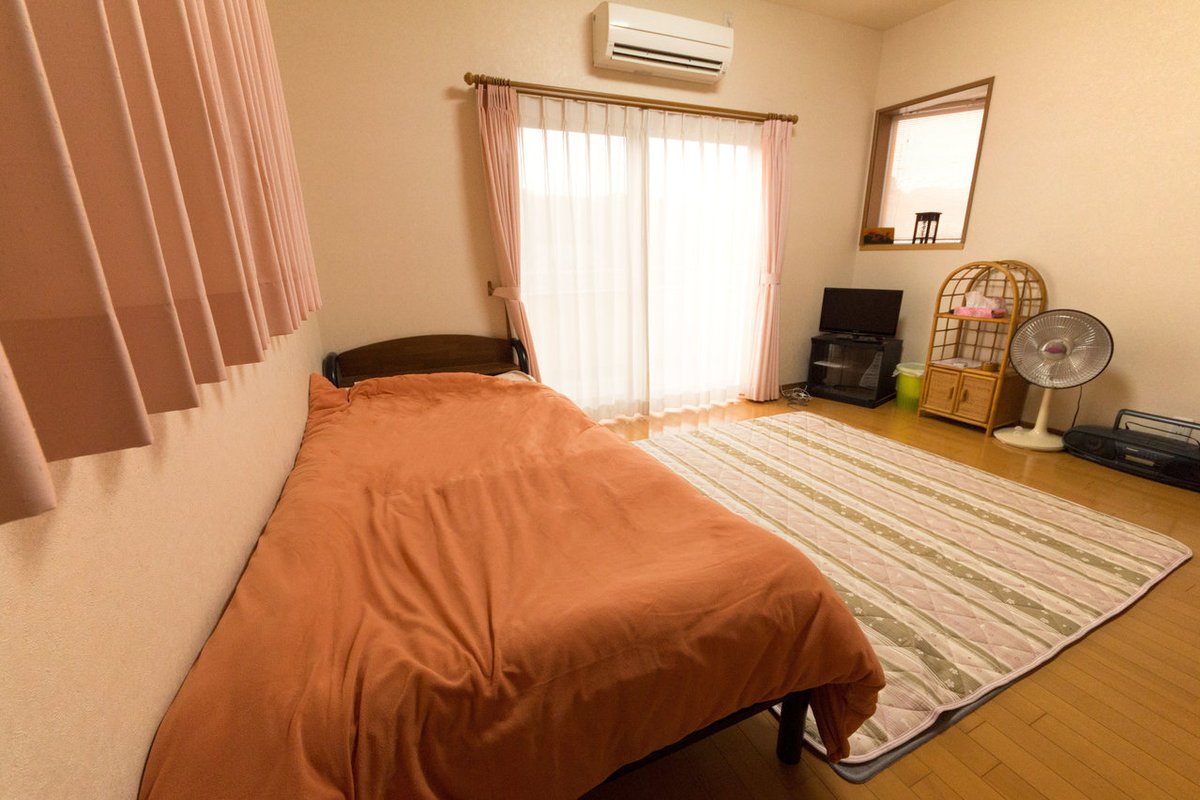
A farming family since the Edo period, steps from the Kumano Kodo
Mirai Farm has been a working ume (Japanese plum) and mikan (mandarin orange) farm since the Edo period — that’s over two centuries of continuous cultivation. Your hosts, a multi-generational farming couple and their son, have been welcoming overnight guests for nearly two decades. The property sits at the gateway to the Kumano Kodo pilgrimage route, a UNESCO World Heritage trail.
Stays include breakfast and dinner experiences built around the farm’s own produce. In season, guests can join the harvest. Your host’s deep passion for cooking means meals here are a genuine event — fresh seafood from nearby fishing ports often makes an appearance alongside the farm’s own fruit and preserved specialties.
Summer/Autumn highlights:
- Mikan harvest begins in October — an unforgettable golden afternoon in the orchards
- Kumano Kodo walking accessible directly from the property
- Freshly caught fish prepared by hosts who grew up fishing these waters
Best for: Heritage-focused travelers and food lovers who want the farmer-and-host connection
Location: Tanabe-shi, Wakayama (approx. 40 min from Shirahama Airport)
Access (no car): JR Kisei Honsen Line → Kii-Tanabe Station (Kuroshio limited express from Shin-Osaka, approx. 2.5 hrs); ask host about pickup options
Reviews: 12 reviews · 4.46/5.0
Nishihara Life Experience Lodge (Shitade) — Uenohara, Yamanashi
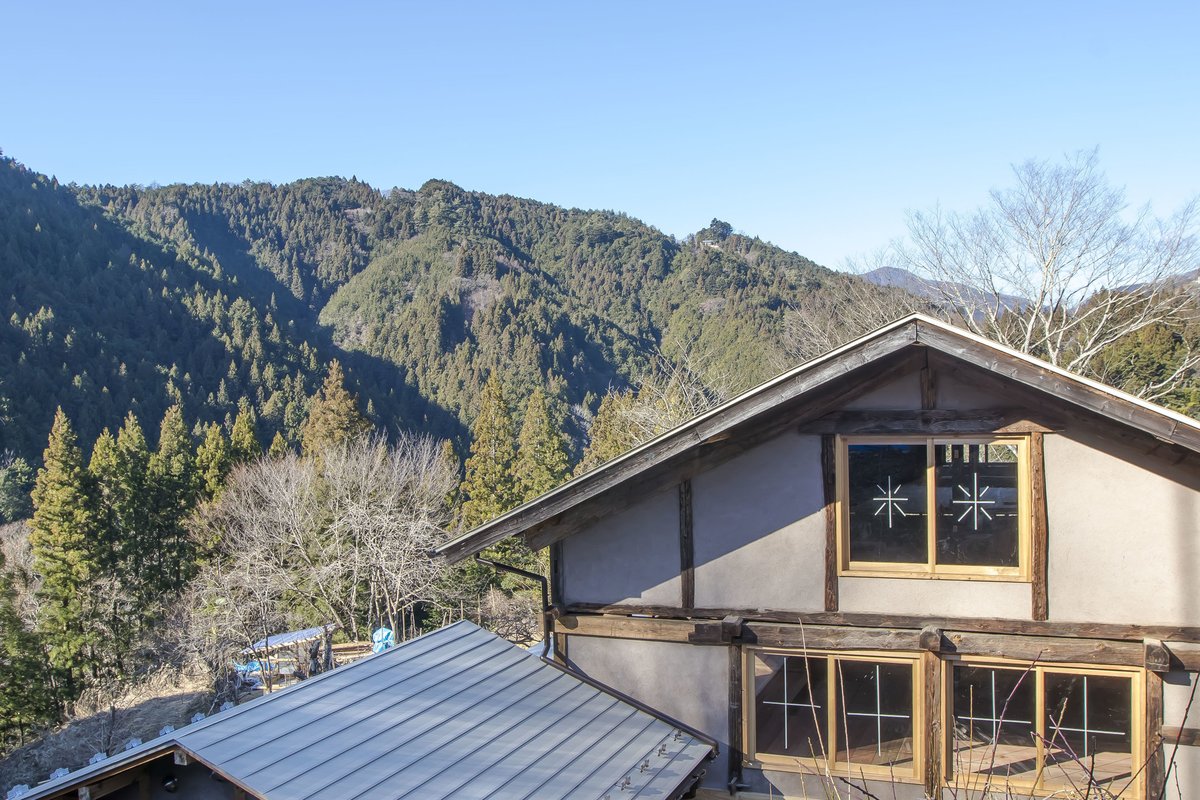
Japan’s first agricultural minshuku in Uenohara: 150-year-old kominka, 90 minutes from Tokyo
This remarkable property — officially the first registered agricultural minshuku in Uenohara City — is a 150-year-old kominka painstakingly restored by its owners using traditional techniques: timber joinery, bamboo lathing, and earthen walls. The restoration process became something of a community project, documented in a popular YouTube series. Today, it sleeps up to 10 guests in three tatami rooms that open into one generous space.
The satoyama setting delivers seasonal magic. In spring, guests join foraging walks for wild sansai (mountain vegetables). In summer, the hillside location keeps temperatures cool without air conditioning. The surrounding forest community has built an adventure play area for children. Bring your own food — the kitchen is yours to use.
Summer/Autumn highlights:
- Summer cool: the hilltop location sits well above valley temperatures
- Forest foraging with community members
- Autumn foliage visible from the property’s panoramic terrace
Best for: Architecture enthusiasts and families who want a private traditional house
Location: Uenohara-shi, Yamanashi (approx. 90 min from Shinjuku by car)
Access (no car): JR Chuo Line → Uenohara Station (approx. 70–80 min from Shinjuku by Chuo Special Rapid / 中央特快; note that limited express trains skip this station); then taxi or contact host for directions
Reviews: 14 reviews · 4.64/5.0
Farmhouse Inn Ihori — Semboku, Akita
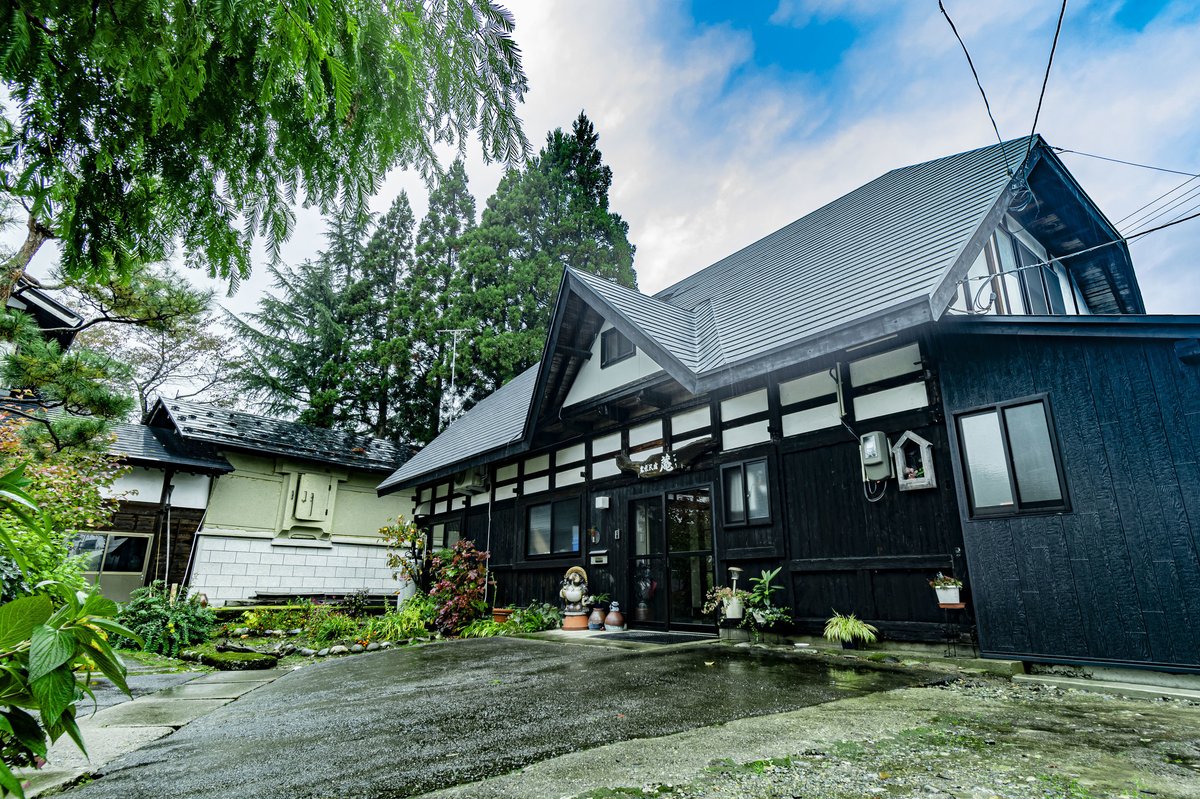
Rice paddies on the doorstep, samurai history five minutes away
A few minutes’ walk from Kakunodate’s famous samurai district — with its preserved black-fenced residences and weeping cherry trees — Ihori sits at the edge of rice paddies that define the Tohoku countryside. The accommodation is a private kominka annex: a detached farmhouse building with traditional wooden interiors, tatami floors, and views across the fields to distant mountains.
This is Japan’s archetypal rural landscape — the kind that appears on postcards but rarely in reality. Guests can opt for farm-prepared meals (breakfast, dinner, or both) or self-cater using the in-house kitchen. The nearby Tazawako lake and Nyuto Onsen hot spring area make this an ideal base for deeper exploration of Akita.
Summer/Autumn highlights:
- Rice fields turn golden in September — one of Japan’s most beautiful harvests
- Autumn foliage at Kakunodate (late October–early November)
- Nearby Tazawako lake and Nyuto Onsen mountain hot spring area accessible within approximately 1 hour
Best for: Couples and small groups who want private traditional accommodation in deep Tohoku
Location: Semboku-shi, Akita (approx. 2.5 hrs from Akita Airport)
Access (no car): JR Akita Shinkansen (Komachi) → Kakunodate Station (approx. 3 hrs from Tokyo); the property is a short walk or taxi ride from the station
Reviews: 7 reviews · 4.86/5.0
Ryuka — Numata, Gunma
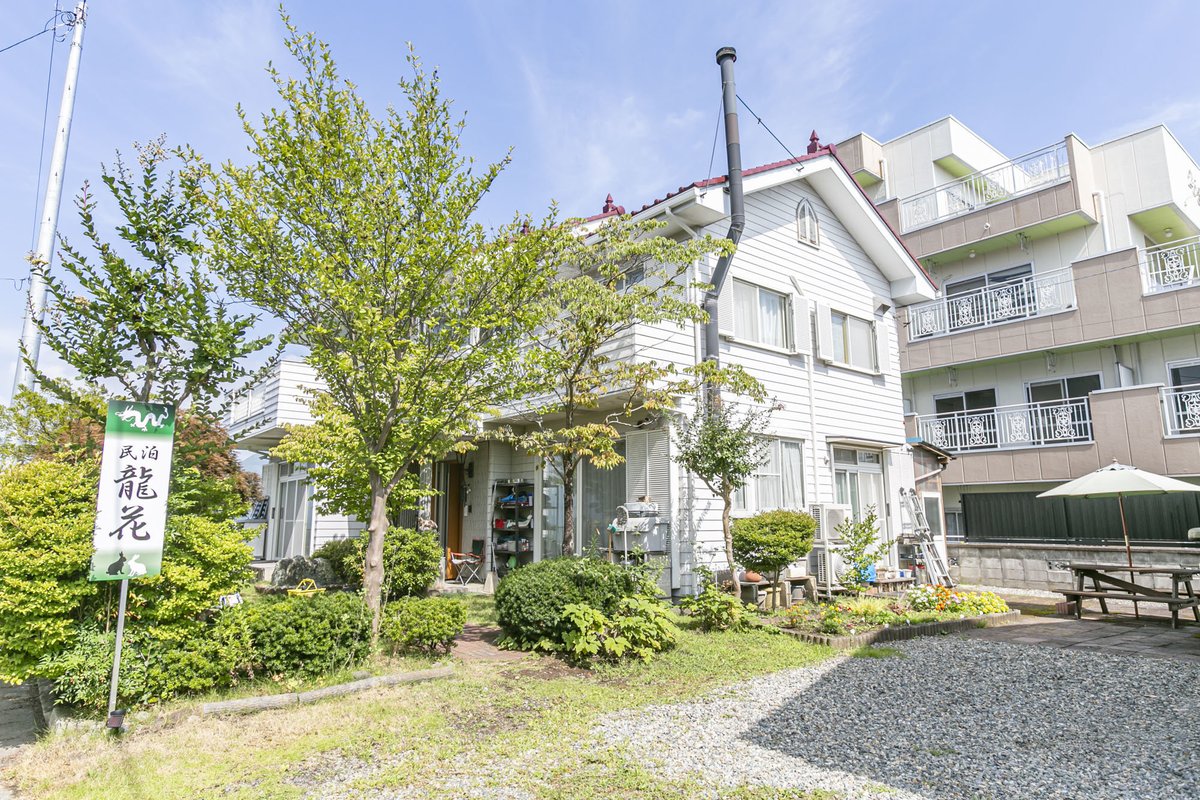
A hands-on guide to rural Japan with a green tourism instructor as your host
Ryuka is run by an owner with a remarkable story: forty years ago, she left Tokyo for the mountains of Numata in search of a life closer to nature. She has since become a certified municipal tourism guide and Green Tourism instructor — and she channels all of that knowledge into her guests’ stays.
The accommodation is a private room with a panoramic garden view. However, the real value is in the activities: agricultural experiences in the surrounding farmland, cycling routes through mountain scenery, guided walking tours of Numata’s historic sites, and seasonal nature programs that change month by month. Pickup from Numata Station is available.
Summer/Autumn highlights:
- Agricultural harvests (vegetables, rice) guided by an expert
- Autumn: Ozegahara — Japan’s largest highland marsh — is approximately 90 minutes away
- Year-round: Tanigawadake and Minakami outdoor adventure zone nearby
Best for: Active first-timers who want structured guidance alongside a genuine rural experience
Location: Numata-shi, Gunma (approx. 2 hrs from Tokyo by car)
Access (no car): JR Joetsu Line → Numata Station; host provides station pickup (arrange in advance)
Reviews: 8 reviews · 4.75/5.0
Tips for Booking Your First Farmhouse Stay
- Book at least 4–6 weeks ahead. Authentic farmhouse properties are small and fill quickly, especially in summer (July–September) and autumn foliage season (late October–November). The most popular properties often have availability calendars showing only a handful of open dates per month.
- Communicate your group size and dietary needs early. Farm meals are prepared fresh and in advance. If you have allergies or dietary restrictions, message your host when you book — they are almost always accommodating, but need time to plan.
- Bring cash. Many rural properties are in areas with limited ATM access. Confirm payment methods with your host before arrival.
- Download offline maps. Rural Japan’s mountain roads are not always covered well by standard navigation. Google Maps and Maps.me both support offline downloads.
- Arrive at the time you agreed. Your host has typically prepared a meal schedule around your arrival. A late arrival without notice can mean cold food and a stressed host. If your plans change, message ahead.
- Ship your heavy luggage ahead with Ta-Q-Bin. Dragging a large suitcase onto a rural bus or up a mountain path is impractical — and unnecessary. Japan’s takkyubin (door-to-door parcel delivery) services, such as Yamato Transport (クロネコヤマト), let you forward luggage between hotels or accommodation for around ¥1,500–¥2,500 per piece. Send the big bag to your next city hotel the morning before you leave for your farmhouse stay, and travel light with just a backpack. Most convenience stores accept shipments.
- Dress for the climate — not the season. Traditional kominka farmhouses are built to breathe, which means summer can be pleasantly cool — but some properties have no air conditioning. In winter, rooms are heated with kerosene stoves or wood-burning hearths (and may feel very cold before they warm up). Ask your host about heating and cooling before you pack. Generally: lightweight layers for summer stays in mountain areas; warm underlayers, wool socks, and a down vest for autumn and winter farmhouse stays.
- Embrace the pace. The deepest pleasure of a farmhouse stay comes when you stop rushing. Leave the itinerary loose. Let the host lead. That unscheduled evening conversation at the dinner table often becomes the travel memory that lasts longest.
Frequently Asked Questions
Do I need to speak Japanese for a Japanese farmhouse stay?
Not necessarily. Many hosts on STAY JAPAN have English-capable listings or can communicate via translation apps. Hosts who list on the platform’s English-language site (en.stayjapan.com) are accustomed to international guests. A few key phrases — ありがとう (arigatou, thank you), いただきます (itadakimasu, said before eating) — go a long way toward building rapport.
What should I pack for a farmhouse stay?
Comfortable clothes you don’t mind getting dirty (farm activities happen outdoors), sturdy shoes or rain boots, a small gift from your home country or hometown (hosts appreciate the gesture), a flashlight for rural nights, and an open mind. Many farmhouses provide yukatas (casual cotton robes) and some provide towels — confirm with your specific host in advance.
Are Japanese farmhouse stays suitable for children?
Generally, yes — in fact, many hosts go out of their way to welcome families. Farm activities like vegetable picking, rice planting, and animal feeding tend to be especially popular with children. Confirm with the specific property whether they cater to young children, as some traditional-style accommodations require guests to take care around tatami floors and open-plan rooms.
How do farmhouse meals work? Do I need to bring food?
It depends on the property type. Homestay-style farmhouses (like Sora no Yado Sayochan and Mirai Farm above) typically include breakfast and dinner in the rate, or offer meals as add-ons. Private kominka rentals often have self-catering kitchens. Check your specific listing for details before booking.
Is a Japanese farmhouse stay significantly cheaper than a hotel?
Prices vary widely. Some farm homestays are comparable in price to a mid-range business hotel (¥8,000–¥15,000 per person per night including meals). Private kominka rentals are priced per property rather than per person, which makes them excellent value for groups of 4–8. In general, you’re getting substantially more — authentic food, personalized experience, and a connection to place — than any comparable hotel rate offers.
Can I reach a Japanese farmhouse without a rental car?
Yes — many properties are accessible by train and bus, and several hosts offer station pickup. All six properties in this article are reachable by public transport; check the “Access (no car)” note under each listing for specifics. For luggage, Japan’s takkyubin (parcel forwarding) service lets you ship large bags between accommodation points for around ¥1,500–¥2,500, making rural travel by train much more comfortable.
Is there Wi-Fi at Japanese farmhouses?
Many farmhouse properties now offer Wi-Fi, and listings on STAY JAPAN indicate connectivity in the amenities section. That said, mobile signal in deep mountain areas can be weak regardless of Wi-Fi availability. Download offline maps and any essential apps before you leave the city. Some hosts actively encourage a degree of digital detox — which, once you’re there, tends to feel like a gift rather than a hardship.
What about the temperature — will I be comfortable in summer or winter?
Traditional kominka are built for natural ventilation, so summer stays in mountain farmhouses are often cooler than city accommodation — without air conditioning. In winter, rooms are typically heated with kerosene stoves or wood-burning hearths, which create a deeply cozy atmosphere but take time to warm up. Always ask your host about heating and cooling before you arrive, and pack accordingly: light layers for summer mountain stays; warm underlayers and wool socks for autumn and winter.
Start Planning Your First Farmhouse Stay
A farmstay in Japan is no longer a niche pursuit for adventurous travelers. It has become one of the most searched and sought-after forms of rural Japan accommodation — and for good reason. There is simply no better way to understand the country than by sleeping in it, eating it, and working in it for a night or two.